
Learning to tie your shoelaces is often seen as a simple childhood milestone. Yet for people with dyspraxia, a condition that affects coordination, such tasks can present lasting challenges.
Dyspraxia is a condition that affects movement and fine-motor skills. It can impact everyday activities, from getting dressed to holding a pen to organizing tasks.
This guide explores what dyspraxia is, how to recognize signs of dyspraxia in children and adults, how it is diagnosed, as well as practical strategies to support people with dyspraxia in school, work and life. With the right understanding and support, people with dyspraxia can thrive.
What is dyspraxia?
Dyspraxia, also known as developmental coordination disorder (DCD), is a neurodevelopmental condition that affects motor coordination and movement planning. The name stems from "dys", meaning impaired, and "praxis", meaning the ability to plan and execute movement. Dyspraxia is a lifelong condition, and is not related to intelligence.
What causes dyspraxia?
The causes of dyspraxia are not fully understood, however they likely relate to how the brain develops and processes information needed for movement and coordination. Rather than being linked to intelligence or effort, dyspraxia is about how the brain plans and sends messages to the body. These differences can make it harder to learn and carry out physical tasks smoothly.
Possible causes of dyspraxia
While research is ongoing, current understanding of dyspraxia causes points to:
- Brain development differences: The areas of the brain responsible for planning and coordinating movement may develop differently, affecting how actions are learned and performed
- Signal processing: Messages between the brain and body may not be transmitted or organized as efficiently, making movements feel less automatic or more effortful
- Not caused by muscle weakness: Dyspraxia is not related to muscle strength or physical ability. Instead, it’s about coordination and planning
Who does dyspraxia affect?
A common question is who does dyspraxia affect, and the answer is that it can impact people of all ages and backgrounds.
- Affects approximately 5-6% of children: Dyspraxia is relatively common, though it can vary widely in how it presents
- More commonly identified in boys than girls: Boys are more frequently diagnosed, though dyspraxia may be under-recognised in girls
- Typically identified during early school years: Difficulties tend to become more noticeable when children start school and face new motor and organizational demands
- Continues throughout life: Dyspraxia is a lifelong condition, though its impact can change over time with support and strategies
Dyspraxia can occur alongside other conditions such as dyslexia or ADHD, but it is a distinct condition with its own set of characteristics and challenges.
How to recognize the signs of dyspraxia
Dyspraxia can manifest differently at each stage of life, however the core difficulty of coordination remains consistent. Recognizing the signs of dyspraxia early is key, as timely support can make a significant difference to confidence, learning and daily functioning.
Children
In childhood dyspraxia, signs often become more noticeable in relation to developmental milestones. While every child develops at their own pace, certain signs of dyspraxia may stand out over time.
Babies and toddlers
- Delayed milestones: Slower to sit, crawl or walk compared to peers
- Difficulty with feeding: Challenges with chewing, using utensils or transitioning to solid foods
- Poor hand-eye coordination: Trouble reaching for, grasping or manipulating toys
School-aged children
- Handwriting difficulties: Writing may be slow, messy or physically tiring
- Trouble with self-care: Difficulty with tasks like dressing, tying shoelaces or using cutlery
- Clumsiness: Frequent tripping, bumping into objects or difficulty with sports and playground activities
Some children may begin to avoid physical activities or tasks they find difficult, particularly if they feel frustrated or self-conscious. This can sometimes be mistaken for a lack of interest rather than a sign of dyspraxia.
Adults
Adults with dyspraxia experience similar coordination challenges that impact daily life and work. Many adults develop coping strategies or workarounds, but may still face ongoing difficulties such as:
- Fine motor challenges: Difficulty with tasks like typing, handwriting or using small tools
- Gross motor difficulties: Issues with balance, coordination or activities requiring physical precision
- Planning and organization: Challenges with sequencing tasks, time management or following multi-step instructions
- Sensory sensitivities: Heightened sensitivity to noise, light or busy environments, which can affect focus and comfort
Although commonly identified in childhood, many adults weren't diagnosed as children and may seek answers after noticing persistent patterns in coordination, organization or daily functioning.
Recognising the signs of dyspraxia at any age is an important first step toward accessing the right support and strategies.
How is dyspraxia diagnosed?
Diagnosing dyspraxia is not based on a single test. Instead, it involves a step-by-step process carried out by different professionals to build a complete picture of an individual’s strengths and challenges. Whether you’re exploring how dyspraxia is diagnosed in a child or seeking a dyspraxia diagnosis in adulthood, the process typically includes screening, specialist evaluations and clear diagnostic criteria.
1. Screening process
The first stage of diagnosing dyspraxia begins with recognizing early signs. Parents, teachers, or the individuals themselves may first notice difficulties with coordination, organization or everyday tasks. This typically leads to a conversation with a primary care provider or pediatrician.
At this stage, the focus is on building up a picture of behaviors and ruling out other possible causes.
The initial step may involve:
- Reviewing developmental history
- Asking about when signs first appeared
- Observing coordination and motor skills
- Ruling out vision or hearing problems
2. Professional evaluations
If dyspraxia is suspected, a range of specialist assessments may be recommended to better understand how difficulties present across different areas of life. These evaluations are key to a thorough dyspraxia diagnosis.
Common assessments include:
- Occupational therapy assessment: Evaluates fine motor skills, coordination and the ability to carry out daily tasks such as writing, dressing or using tools
- Physical therapy assessment: Assesses gross motor skills like balance, posture and movement patterns
- Psychological or educational assessment: Looks at cognitive abilities, learning skills and how coordination difficulties may affect academic performance
- Neurological examination: Rules out other neurological conditions and checks overall nervous system functioning
3. Final steps in diagnosis
A formal diagnosis is made by a qualified professional, such as a paediatrician or specialist clinician, based on established criteria.
In order for a dyspraxia diagnosis to be made, a number of criteria must be met. Typically, criteria include:
- Motor skills that are significantly below what is expected for the individual’s age
- Difficulties that interfere with daily activities, school performance or work
- Behaviors that began during early development
Although dyspraxia is often identified during school years, a diagnosis can be made in adulthood.
A clear diagnosis can be an important step toward accessing the right support, strategies and accommodations to help individuals manage challenges and build on their strengths.

Dyspraxia treatment and support strategies
While there is no cure for dyspraxia, effective interventions can significantly improve day-to-day functioning and overall quality of life. The right dyspraxia treatment focuses on reducing barriers, building practical skills and increasing independence. Early support is key – intervening sooner can lead to better long-term outcomes for both children and adults.
1. Physical and occupational therapy
Physical and occupational therapy are the primary approaches in dyspraxia treatment, helping individuals develop coordination, strength and practical life skills.
- Occupational therapy (OT): Focuses on fine motor skills and everyday activities such as writing, dressing using utensils, and organizing tasks. Therapists often break tasks into manageable steps and teach strategies to improve efficiency and independence.
- Physical therapy (PT): Targets gross motor skills, including balance, posture and overall body coordination. This can help with activities like walking, running or participating in sports.
Both OT and PT programmes are tailored to the individual, with therapists creating personalized plans based on specific challenges, goals and environments (e.g. home, school or workplace).
2. Speech and language interventions
Some individuals with dyspraxia experience verbal dyspraxia (also known as apraxia), which affects the ability to plan and coordinate the movements needed for speech.
Speech and language therapy can help by:
- Improving clarity and consistency of speech
- Practising sound patterns and sequencing
- Building confidence in communication
Therapy is typically structured and repetitive, supporting the brain in developing more reliable speech patterns over time.
3. Assistive tools and technology
Assistive tools can play a key role in dyspraxia treatment by reducing everyday barriers and supporting independence across different environments.
Examples of assistive technology support for dyspraxia include:
For writing:
- Speech-to-text software
- Word prediction tools
- Ergonomic pens or keyboards
For learning:
- Text-to-speech tools
- Audiobooks
- Mind-mapping software
For organization:
- Digital planners and reminder apps
- Task management tools
Everway creates technology solutions to support individuals with diverse learning and working needs, helping people access information in ways that work best for them.
4. Supportive coaching and counselling
Beyond physical therapy, dyspraxia treatment often includes emotional and psychological support. Living with dyspraxia can impact confidence, self-esteem and mental wellbeing, especially when challenges are misunderstood.
Coaching and counselling can help individuals:
- Build self-advocacy skills
- Set realistic, achievable goals
- Develop coping strategies
- Strengthen confidence and resilience
A combination of targeted therapies, supportive tools and personalized strategies can make a meaningful difference to individuals with dyspraxia. This holistic approach ensures that support goes beyond task-based skills, empowering individuals to navigate school, work and everyday life with greater confidence.
Practical tips for managing dyspraxia in daily life
Living with dyspraxia can bring everyday challenges, but it also offers opportunities to develop unique strategies and strengths. With the right approaches, individuals can build confidence, increase independence and navigate daily life more effectively. These practical tips are designed to support and empower those living with dyspraxia.
1. Improving motor planning skills
Strengthening motor planning takes time and consistency, but small adjustments can make a big difference.
- Break tasks into smaller steps: Simplify complex activities by tackling them one step at a time, making them more manageable and less overwhelming
- Practice regularly: Repetition helps build muscle memory and improves coordination over time
- Use verbal or visual cues: Talking through steps out loud or using pictures and prompts can support sequencing and execution
- Allow extra time: Reducing time pressure can improve accuracy and confidence when completing tasks
2. Organizing your space and tasks
A structured environment can reduce cognitive load and make daily routines smoother for those with dyspraxia.
- Create consistent routines: Following predictable patterns helps reinforce habits and reduce decision-making effort
- Designate specific places for items: Keeping belongings in the same place makes them easier to find and tidy
- Use visual schedules and checklists: Written or visual reminders can support planning, memory and task completion
3. Building self-advocacy and self-esteem
Confidence grows when individuals understand their needs and feel empowered to express them.
- Learn about your strengths: Recognising personal abilities – whether creative, analytical or interpersonal – helps build a balanced self-image
- Communicate your needs clearly: Explaining challenges and preferences to teachers, employers or peers can lead to better support
- Ask for accommodations: Simple adjustments, such as extra time or assistive tools, can make tasks more accessible and reduce unnecessary barriers
Living with a motor planning disorder doesn’t mean lowering expectations, it means approaching tasks differently. With practical strategies, supportive environments and self-awareness, individuals with dyspraxia can develop effective ways to succeed in everyday life.
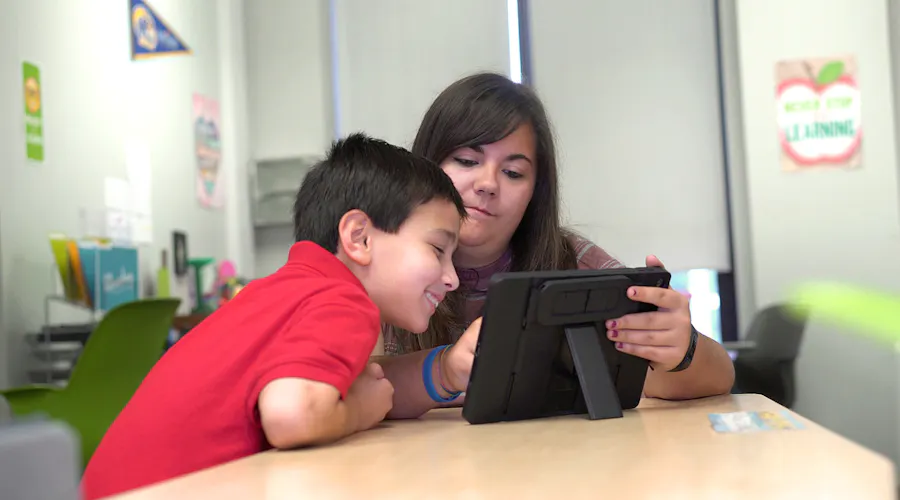
How schools and workplaces can support dyspraxic individuals
Creating inclusive environments for people with dyspraxia doesn’t require large-scale changes. Small, thoughtful adjustments can make a meaningful difference, helping individuals participate fully, build confidence and perform at their best. This section offers practical guidance for educators and employers looking to provide effective support.
1. Inclusive teaching practices
In the classroom, inclusive approaches can help students with dyspraxia access learning in ways that suit their needs and strengths.
- Offer alternative ways to demonstrate learning: Allow students to present knowledge through oral presentations, videos or digital tools rather than relying solely on handwritten work
- Provide extra time: Giving additional time for tasks and assessments can reduce pressure and improve accuracy
- Break instructions into clear steps: Deliver information in manageable chunks, using simple language and repetition where needed
- Provide movement breaks: Short, regular breaks can help students regulate focus and manage physical restlessness
Everway's education solutions are designed to support neuroinclusion across the classroom, helping students with dyspraxia and other neurodevelopmental differences access learning on their own terms.
2. Reasonable adjustments in the workplace
Employers can support dyspraxic individuals by creating flexible yet structured environments that reduce unnecessary barriers and enable productivity.
- Flexible work arrangements: Adjust working hours or allow remote work to support energy levels and task management
- Assistive technology: Provide tools such as speech-to-text software, task management apps or ergonomic equipment
- Clear written communication: Follow up verbal instructions with written summaries to support processing and recall
- Quiet workspaces: Offer low-distraction environments or noise-reducing options to support concentration
Small, practical changes like these can have a significant impact, helping individuals with dyspraxia feel supported, capable and included in both educational and professional settings.
Explore Everway’s workplace solutions.
Growing with confidence: empowering people with dyspraxia
Dyspraxia is a lifelong condition, but it is also highly manageable with the right understanding and support. With early recognition and appropriate intervention, individuals can develop the skills, strategies and confidence needed to navigate everyday challenges and achieve their goals.
Awareness plays a crucial role. When parents, educators and employers understand dyspraxia, they are better equipped to provide meaningful support, whether that’s adapting teaching methods, providing assistive tools or making simple workplace adjustments. These accommodations don’t just remove barriers; they create environments where individuals can fully participate and succeed.
Most importantly, dyspraxia does not define a person’s potential. People with dyspraxia bring valuable perspectives, creativity and problem-solving abilities. With the right support systems in place, they can thrive in education, work and beyond.
Everway develops technology solutions designed to break down barriers and support neurodiversity in learning and working environments. Our tools help individuals access information and opportunities in ways that work for them.