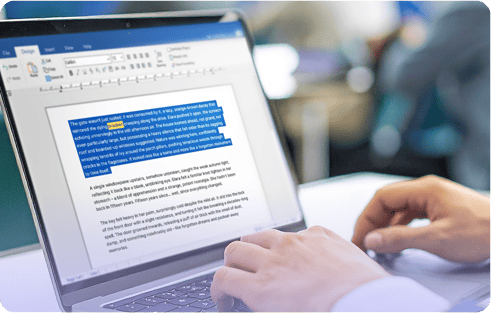
Dyslexia is a learning difference that affects how the brain processes written and spoken language. It can influence reading, writing, spelling, and how sounds in language are understood.
The signs of dyslexia can look different at different ages, but there are clear patterns that can help you spot it early. The International Dyslexia Association estimates 15-20% of the population has some traits of dyslexia.
Understanding the signs of dyslexia helps families, educators, employers and individuals take informed next steps. In this guide, discover what dyslexia is, signs of dyslexia, and when assessment and support can make a real difference.
What is dyslexia
Dyslexia is a neurological difference that affects reading, writing, and how language is processed. It is linked to how the brain handles language, especially phonological processing. This means difficulty connecting letters to sounds and working with the sounds in spoken language.
Many misunderstandings and stigma still shape how dyslexia is viewed, especially in learning and work settings. In reality, people with dyslexia are highly capable and intelligent, they just simply process written language differently.
| Dyslexia is | Dyslexia is not |
|---|---|
| A neurological difference in how the brain processes language | Related to intelligence or laziness |
| Present from birth | Caused by poor teaching or lack of effort |
| Affects reading, writing, and spelling | A vision problem that glasses can fix |
| Manageable with appropriate support | Something people "grow out of" |
Dyslexia can affect several key areas:
- Reading accuracy and fluency
- Spelling and writing
- Phonological awareness (recognising sounds in words)
- Working memory
Recognising these early helps guide the right support and next steps.
Early dyslexia signs in children
Early signs of dyslexia in children can appear before reading is taught at school. These signs are most often seen in childhood and the first years of school, usually between ages three and eight.
When children receive early support for reading and language, they are more likely to develop stronger reading skills over time. The signs below describe common things parents and educators may notice that could be related to dyslexia.
1. Phonological awareness challenge
Phonological awareness is the ability to hear and work with sounds in spoken language. Children with dyslexia can find this difficult. These often show up during play, songs, and everyday activities.
Signs of dyslexia in children can include:
- Struggling to recognise rhyming words, such as not noticing that ‘cat’ and ‘hat’ rhyme
- Difficulty breaking words into syllables, such as clapping the beats in ‘banana’
- Not being able to identify the first sound in a word, such as knowing dog starts with the ‘d’ sound
- Finding it hard to blend sounds together to make words, such as c-a-t becoming cat
2. Difficulty with letter recognition
Letter recognition involves noticing letter shapes and linking them to sounds. This skill supports early reading development. The following patterns can be early signs that a child may need extra support.
Common dyslexia characteristics in this area include:
- Confusing letters that look similar, such as ‘b’ and ‘d’ or ‘p’ and ‘q’
- Inconsistent letter naming, even with regular practice
- Difficulty matching letters to their sounds
- Trouble learning the alphabet in order
3. Persistent trouble rhyming or blending sounds
Rhyming and sound blending are important early reading skills. Children with dyslexia may continue to struggle with these skills over time, even with teaching and practice.
Signs of dyslexia in children can include:
- Difficulty joining in with rhyming games or songs
- Struggling to sound out unfamiliar words
- Not being able to break words into individual sounds, such as dog into d-o-g
- Finding it hard to group similar sounding words, like ‘cat’, ‘bat’, and ‘hat’
When these difficulties continue, targeted support can make a meaningful difference.

Signs of dyslexia in teens and adolescents
As reading demands increase in later education years and through adolescence, the signs of dyslexia can become more noticeable. Some teens develop ways to cope that can hide their difficulties, but common patterns are still present.
These signs can help explain why reading and writing may feel harder during the school years and that dyslexia could be the reason.
1. Reduced reading fluency
Reading fluency refers to how smoothly, accurately, and confidently someone reads. Teens with dyslexia often read accurately, but at a slower pace than their peers.
Common signs of dyslexia in teens include:
- Reading much more slowly than others
- Frequent pauses or needing to reread sentences
- Difficulty reading aloud in class
- Reading word by word instead of in smooth phrases
- Losing their place while reading
- Skipping small words, such as of or ‘the’, when reading aloud
2. Common spelling errors
Spelling challenges can continue into adolescence, even when reading skills improve. Over time, these patterns can make writing feel frustrating or tiring, leading to avoidance.
Common dyslexia patterns include:
- Spelling the same word differently within one piece of writing
- Spelling words the way they sound, rather than using standard spelling
- Difficulty with irregular words such as have or said
- Confusion between homophones (words that sound the same but have different meanings), such as their and there
- Letters written in the wrong order, such as ‘form’ instead of ‘from’
- Difficulty applying spelling rules consistently
3. Avoidance of reading and writing tasks
Avoidance is a common response to ongoing reading and writing challenges, but it does not reflect a lack of motivation or effort. With the right accommodations and support, these challenges can become much easier to manage.
It could be a sign of dyslexia if a teenager experiences the following:
- Choosing shorter assignments or tasks with less writing
- Putting off homework that involves a lot of reading
- Preferring to explain ideas out loud rather than in writing
- Showing little interest in reading for enjoyment
- Finding timed tests especially challenging

Recognising dyslexia signs in adults
Many adults with dyslexia are not diagnosed until later in life. Over time, they develop ways to cope, which can make the signs harder to spot. This is especially common when dyslexia runs in families, as it often does, but earlier generations may never have been assessed.
For example, Everway’s Executive Founder and Chair, Martin McKay, was diagnosed with dyslexia at the age of 50. Like many adults, his diagnosis came only after years of navigating education and work without the right support.
Experiences like this shaped our mission to provide practical assistive technology that supports people with dyslexia and other neurodivergent profiles across education, work, and adult life.
According to the OECD Survey of Adult Skills, around 26% of adults have significant difficulties with reading. This highlights how common hidden reading challenges are. Dyslexia signs in adults can show up in work and daily tasks in a number of ways.
1. Slow reading and writing speed
Differences in reading and writing speed become more noticeable as work and life demands increase. For many adults, patterns like these raise questions about whether dyslexia could be a factor.
Common dyslexia signs in adults include:
- Taking longer than others to read emails, reports, or documents
- Finding it hard to keep up with written information during meetings
- Needing extra time to complete forms or written tasks
- Avoiding roles or tasks that involve large amounts of reading or writing
- Feeling mentally tired after long periods of reading
2. Difficulty with note taking or summarising
Dyslexia can affect working memory, which supports note taking and summarising. These difficulties are especially common in work and study settings.
Adults with dyslexia may experience:
- Difficulty capturing key points during meetings or training
- Challenges organising ideas clearly in writing
- Trouble summarising longer documents or reports
- A preference for recording meetings rather than taking written notes
- Strong verbal communication skills but ongoing challenges with written tasks
3. Challenges with time management and organisation
Dyslexia can also affect skills related to planning and organisation, beyond reading and writing. These patterns appear alongside reading and writing challenges and can affect confidence at work and in daily life.
Signs of dyslexia in adults may also include:
- Difficulty estimating how long tasks will take
- Trouble managing multiple deadlines
- Forgetting appointments or important dates
- Finding multi step tasks hard to track
- Disorganised digital or physical files

Shared strengths in people with dyslexia
Dyslexia is often discussed in terms of challenges, but it is also linked to clear and valuable strengths. At Everway, we see differences, not deficits. Many people with dyslexia develop ways of thinking that support creativity, problem solving, and seeing the bigger picture.
Research from the Yale Center for Dyslexia and Creativity highlights these strengths, which can be just as important as reading and writing skills in school, work, and everyday life.
1. Creative problem solving
Many people with dyslexia are strong creative thinkers. They approach problems in original ways and are comfortable trying new ideas when standard solutions don’t work.
Dyslexia strengths can include:
- Coming up with new, innovative ideas or solutions
- Looking at problems from different angles
- Spotting opportunities or patterns others might miss
- Driving innovation in areas like business, design, technology and entrepreneurship
These strengths are especially valuable in workplaces that rely on innovation, adaptability, and fresh thinking.
2. Strong visual and spatial thinking
Spatial thinking is the ability to picture ideas, objects, or systems in your mind and understand how they fit together. Many people with dyslexia naturally think in visual ways rather than through written words.
In everyday life and work, this can support:
- Understanding how systems or processes connect
- Working with visual information, diagrams, or layouts
- Building, designing, or improving products and services
- Navigating complex information by seeing patterns rather than reading long explanations
These skills are useful across many roles, from technical and creative work to planning, strategy, and problem solving.
3. Big picture thinking
People with dyslexia often focus on the overall meaning rather than small details. This big picture thinking can help them see connections that others can overlook.
Dyslexic individuals can have strengths in:
- Making sense of complex information quickly
- Connecting ideas across different areas of work or study
- Thinking strategically rather than step by step
- Communicating ideas in clear, practical ways
This kind of thinking supports leadership, communication, and stronger decision making. Recognising these strengths alongside challenges is key to creating a neuroinclusive setting. When environments are designed to support different ways of thinking, people with dyslexia are more likely to thrive and contribute their full potential.
How to know if you have dyslexia? How do you get assessed for dyslexia?
The most reliable way to identify dyslexia is through a professional assessment. Many people wonder why reading and writing feel harder for them or for someone they support. An assessment helps turn those questions into clear answers and practical next steps.
1. Screening tools and professional testing
Screening tools can give an early indication that dyslexia may be present. A full assessment goes further, building a clear picture of how someone processes language and where support can help most.
What a dyslexia assessment includes:
- Sound and language skills: How easily someone hears, remembers, and works with sounds in words
- Reading accuracy and speed: How comfortably and efficiently someone reads words and text
- Spelling and writing skills: How ideas are put into writing and how spelling patterns are used
- Working memory: How well information is held in mind while reading, writing, or listening
- Rapid naming: How quickly familiar information, such as letters or colors, can be recognised and named
A formal dyslexia assessment helps build a picture of strengths, challenges and support needs that can make a real difference in education and workplace settings.
Our universal reading screener, uPar, supports this process by helping identify patterns early and guiding next steps, making it easier to understand what support may be most helpful.
2. When to seek an evaluation
An evaluation may be helpful if reading or writing difficulties continue over time or begin to affect confidence, learning or work. Dyslexia can also run in families. In fact, research in the Journal of Medical Genetics suggests that when a parent has dyslexia, a child’s likelihood may be around 40-60%.
This explains why reading and writing difficulties can persist over time and across generations. When these challenges begin to affect confidence, learning, or work, an evaluation can help clarify what is happening and what support may be useful.
Common reasons to seek a dyslexia assessment include:
- Ongoing reading or writing difficulties, even with support
- A family history of dyslexia or reading challenges
- A noticeable gap between strong verbal skills and written work
- Continued struggles in school, higher education or the workplace
- Stress or anxiety linked to reading and writing tasks
- The need for formal documentation to access support or adjustments
Formal dyslexia accommodations may include extra time for exams, access to assistive technology, alternative formats for written tasks. It can also include workplace adjustments or equipment that support how someone reads, writes or processes information.
3. Understanding the dyslexia diagnostic process
A dyslexia diagnostic assessment is designed to be supportive and informative, not intimidating.
It usually includes:
- An initial conversation about learning, work, and recall experiences
- Standardised assessments across reading, writing, and language skills
- A review of educational or work history
- A written report explaining findings, strengths, and recommended support
Assessments are typically carried out by educational psychologists, neuropsychologists, or specialist assessors. The outcome helps people understand their profile more clearly and access support that makes learning and work more manageable.
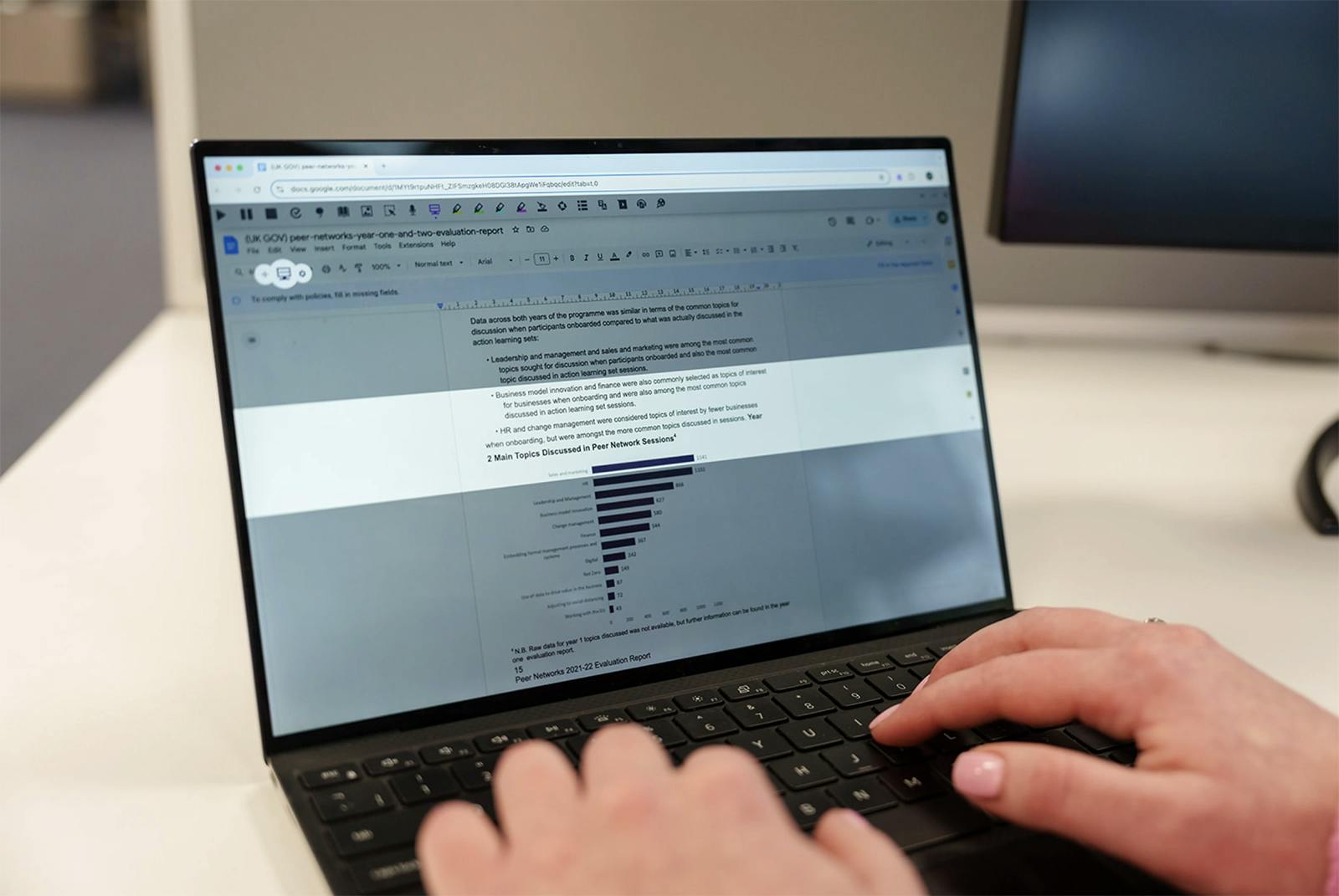
Support strategies and tools for dyslexia
The right support strategies can make a meaningful difference for people with dyslexia in education, work and everyday life. Accommodations are designed to remove barriers to give everyone the same chance to contribute fully.
1. Classroom accommodations
Education accommodations help remove reading and writing barriers so students can focus on learning.
Examples of accommodations for dyslexia in education:
- Extended time on tests and assignments
- Audiobooks and text-to-speech tools, such as Read&Write
- Note taking support or recorded lessons
- Seating that reduces distractions, with limited noise or visual interruptions
- Alternative assessment formats, such as oral exams or visual presentations
- Multisensory learning approaches, using a mix of seeing, hearing, and doing
These supports are helpful across early education, school, and higher education. They can also be adapted as learning demands change.
2. Workplace adjustments
Workplace accommodations and adjustments can help employees with dyslexia work more effectively and independently.
Helpful supports for employees with dyslexia include:
- Text-to-speech and speech-to-text software, such as Read&Write for Work
- Digital organisation tools that help manage tasks
- Products that help them visually map and priorities to do’s
- Flexible deadlines for written work
- Audio recordings of meetings
- Written follow up for instructions
- Spell check and grammar tools
Our Everway for Work product suite helps people with dyslexia across education, higher education, and the workplace. It reduces reading and writing barriers and helps individuals work in ways that suit them best.
3. Advocacy and disclosure
Support strategies are most effective when people feel confident asking for what they need. This is why neurodiversity and creating a neuroinclusive environment is so important.
Research by IOSH suggests that around 70% of those with dyslexia don’t disclose it at work. This can be due to fear of stigma or negative assumptions. This shows how many people may need support even without a formal diagnosis or disclosure.
Access to assistive technology and support should not depend on disclosure alone. In education, these tools are often available to all learners. In the workplace, access can be more limited, even though they can make a meaningful difference.
Effective advocacy and support can include:
- Flexible access to support tools without the need for a formal diagnosis
- Neuroinclusive training and awareness to overcome stigma and increase understanding
- Supportive policies and leadership that reflect real life experiences and feedback
- Peer and community networks such as Employee Resource Groups (ERGs) to share experiences