Explore more on ERGs below
Or return to our main guide on neurodiversity at work to learn how different neurotypes and practices come together to create a neuroinclusive culture.
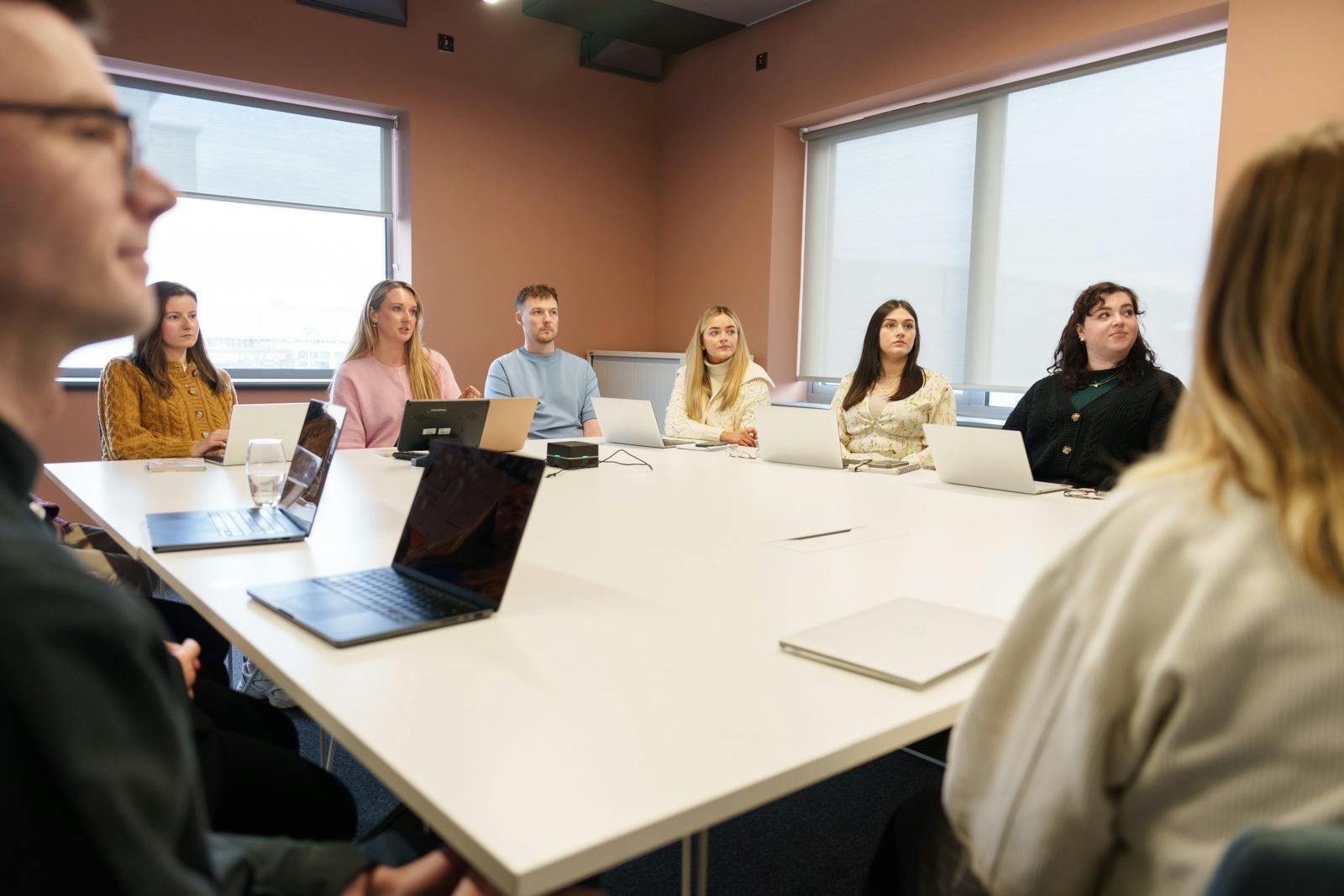
What are Employee Resource Groups?
In a neurodiverse workplace, it’s important to create spaces where employees feel supported, understood, and connected. Employee resource groups (ERGs) help make this possible.
ERGs are voluntary, employee-led groups that bring together people with shared experiences or interests. In a neuroinclusive workplace, this might include groups for neurodivergent employees, allies, and those who want to learn more about different ways of thinking and working.
These groups give employees a voice, a sense of belonging, and a platform to share ideas for making work more accessible. Allies and advocates are often welcome to take part, helping to build understanding and awareness across the organisation.
What’s the purpose of an Employee Resource Group?
Each ERG has its own goals, but they all aim to create connection and promote understanding across teams. Common purposes include:
- Providing a safe and supportive space for employees to share experiences and insights
- Offering opportunities for personal and professional growth through shared learning
- Creating a clear channel between employees and leadership to discuss needs and ideas
- Advising leadership on ways to improve accessibility, communication, and neuroinclusion at work
- Helping shape a culture where every employee feels seen, supported, and able to contribute fully

Why are ERGs important for neurodiversity?
Employee resource groups add real value for both organisations and employees. For neurodivergent team members, they create a sense of connection and belonging. They also help employees feel understood and supported in how they think and work. Neurodiversity ERGs can support people with ADHD, autism, dyslexia, dyspraxia, and other neurodivergent experiences.
They often play a key role in raising awareness and driving positive change across the workplace. By creating these safe and collaborative spaces, companies not only strengthen support for neurodivergent employees but also gain valuable perspectives that improve problem-solving, communication, and innovation across the business.
Best practices for ERGs supporting neurodiversity
- Celebrate strengths: Understand the wide range of talents neurodivergent employees bring, such as creativity, problem-solving, and attention to detail. Highlight these strengths through ERG events and discussions.
- Communicate in multiple ways: Use a mix of written, visual, and verbal communication so information is easy for everyone to absorb. Clear, structured communication supports different processing styles.
- Encourage flexibility: Support flexibility in how and when employees work. Some may prefer quiet spaces or flexible hours to manage focus and energy levels effectively.
- Raise awareness across teams: Host awareness sessions or share personal stories to help colleagues better understand neurodiversity and the value of different ways of thinking.
- Offer judgment-free spaces: Create regular opportunities for employees to share experiences and feedback. ERGs can act as a bridge between employees and leadership to improve workplace support.
- Champion accessibility and tools: Promote assistive technology like Read&Write for Work to help employees access information, communicate clearly, and work confidently in their own way.

How leading organisations support neurodivergent employees
Experts from Hearst, Bayer share how they’ve launched standout neurodiversity programs, embedded neuroinclusion into daily operations, and built cultures where all minds thrive.
How are ERGs beneficial for business success
Employee Resource Groups do more than build community. When supported by leadership, they can create measurable business value. From stronger retention to better decision-making, ERGs contribute to a more effective and neuroinclusive workplace.






How to create ERGs in your organization
Starting an Employee Resource Group can feel challenging at first, but with a clear plan and leadership support, it can quickly grow into a valuable part of your company culture. Here are the key steps to get started:
- Align ERGs with your organisation’s goals
Connect your ERG’s purpose to the wider mission and values of your organisation. Define what the group will focus on, such as supporting neurodiversity or promoting accessibility. Write a short mission statement that shows how your ERG contributes to the company’s overall strategy. - Secure executive support
Strong executive backing helps ERGs gain visibility and long-term stability. Identify leaders who believe in neuroinclusion and can act as sponsors. Share clear goals and potential outcomes to demonstrate how the ERG adds business value. - Build your ERG team
Form a small leadership team to organise meetings and plan activities. Invite colleagues who share a passion for neuroinclusion and are willing to contribute ideas or take on roles. Setting clear goals early will help measure progress and maintain momentum. - Launch your ERG program
Create awareness with a simple communication plan that introduces your ERG’s purpose and events. Announce it through company channels or host a short event to share its mission, invite members, and highlight leadership support.
Examples of how ERGs drive real change in companies
Employee Resource Groups often lead the way in creating real change for neurodivergent employees. These examples show how grassroots initiatives can influence company-wide strategies and make work more accessible for everyone.

“Knowing we have colleagues who are neurodiverse, I wanted to break down a barrier for all CCEP colleagues by providing them with the right tool to enable them to be themselves at work.”
At CCEP, the journey also began within an ERG. Members of the GB Disability ERG tested Read&Write for Work to remove hidden barriers in digital systems. Following positive feedback, the company expanded it to all employees.
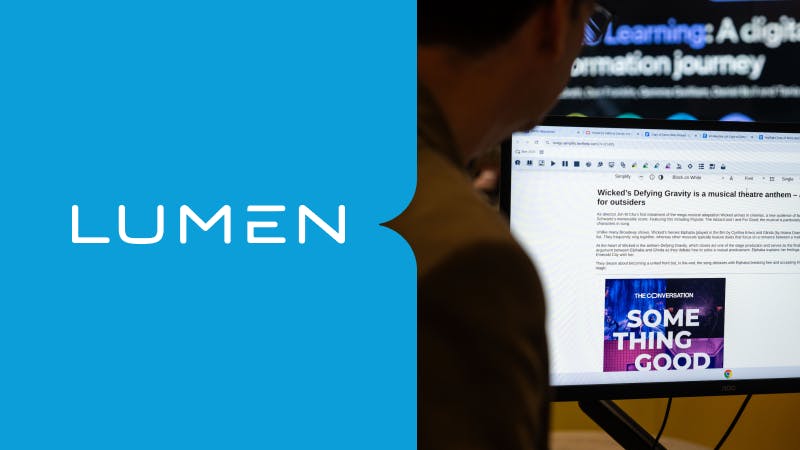
“As a neurodiverse person, having the screen masking, the custom dictionary and read back option has been a game changer. This is a great tool that helps me be more efficient and productive.”
At Lumen, the FRIENDS ERG identified the need for better tools to support neurodivergent employees. After a successful pilot trailing Read&Write for Work, they were able to make it accessible to everyone.
Assistive technology for Employee Resource Groups
Assistive technology can play an important role in supporting the goals of ERGs, especially those focused on neurodiversity. Tools like Read&Write for Work help employees remove everyday barriers and use their strengths more effectively. By making these tools available through ERGs, organisations can promote independence, confidence, and equal access for everyone.
How Read&Write supports ERGs in the workplace:
- Empowers members to share ideas clearly: Features like Voice Notes and Dictation make it easier to express thoughts, give feedback, and communicate across teams.
- Improves focus and understanding: Text-to-Speech and Screen Masking help members manage complex documents and follow discussions more comfortably.
- Encourages neuroinclusion without disclosure: Offering Read&Write to all employees ensures that support is available by default, so no one has to ask for it.
- Builds awareness within ERGs: Members can champion assistive tools that support neurodiverse employees and help shape a more accessible workplace.

Other topics on neurodiversity in the workplace
Universal Design for work
Explore guide →