Explore more on neuroinclusive cultures and values below
Or return to our main guide on neurodiversity at work to learn how different neurotypes and practices come together to create a neuroinclusive culture.

What is neuroinclusive organisational culture?
Our employees will thrive best in a place where they feel supported, valued and celebrated. That’s why it’s important for us to build an neuroinclusive company culture. This means a place that embraces differences, makes sure employees feel heard, and helps the entire workforce to feel connected.
An organisation’s culture is the culmination of the priorities, values and behaviours, which support employees in how they work singularly, in teams and with clients. Culture plays a huge role in moving the neurodiversity needle and forming neuroinclusive environments.
A positive company culture should be committed to professional values, which support all employees, of all backgrounds, genders, ethnicity, sexuality, and allow them to work with leaders of our organisation, rather than feeling like they are simply working for them.

Get the Neuroinclusion playbook
Our Neuroinclusion Playbook gives leaders a practical roadmap for activating neurodivergent talent and designing a culture of belonging. Discover proven strategies from neuroinclusive leaders at EY, SAP, Wells Fargo and more.
Simple ways to make your company culture more neuroinclusive





What are the characteristics of a neuroinclusive workplace?
Before we can create a truly neuroinclusive workplace, we need to understand what it looks and feels like for employees. A neuroinclusive organisation values every way of thinking and designs systems where all employees can thrive. Key characteristics include:

- A culture of belonging where every employee is treated with respect, dignity, and understanding, where different ways of thinking are celebrated
- Clear policies that promote accessibility, psychological safety, and equity across recruitment, learning, and daily operations
- Leadership that models neuroinclusion through transparent communication, visible advocacy, and consistent action
- Recruitment and development processes that remove barriers and encourage neurodiverse talent to apply and advance
- Regular opportunities for all employees to learn about neurodiversity, contribute ideas, and help shape workplace policies
- Work environments that prioritize flexibility and choice, allowing employees to customize how and where they work best
- Continuous awareness of potential challenges or tensions in the workplace, with open dialogue and proactive solutions to address them
- Ongoing commitment from senior leaders to embed neuroinclusion into every layer of organisational culture and decision-making
Examples of organisations building neuroinclusive cultures
At Everway, we strive to work with organisations who share our passion for neuroinclusion. Many of our clients are leading the way in neuroinclusion and are seeing a significant difference.

How KPMG supports neurodivergent staff with Read&Write
"It takes on average three years for a person to disclose they are neurodivergent.... Read&Write is available to every single colleague, without having to jump through hoops."
A simple, inclusive solution giving every employee access to the tools they need to thrive.

Lumen launches Read&Write for Work company-wide
“It offered the most complete solution for members. It will provide the tools to allow employees to break down barriers and to showcase their best self at work..."
A “game-changing” solution helping all employees to produce their best work.
Core values of a neuroinclusive culture
A neuroinclusive culture is built on values that celebrate different ways of thinking, learning, and working. These values guide how we design policies, lead teams, and measure success. It can help move from awareness to cultural change where every employee can feel they belong.
Respect
Recognising and valuing every individual’s unique perspective
Choice
Giving people flexibility in how they work, communicate, and contribute
Belonging
Prioritising psychological safety and connection so everyone feels seen and supported
Transparency
Building trust through open communication and consistent leadership action
Accessibility
Ensuring that every tool, process, and space supports all employees from the start
Growth
Encouraging continuous learning about neurodiversity to help teams collaborate effectively
Assistive technology for a neuroinclusive culture
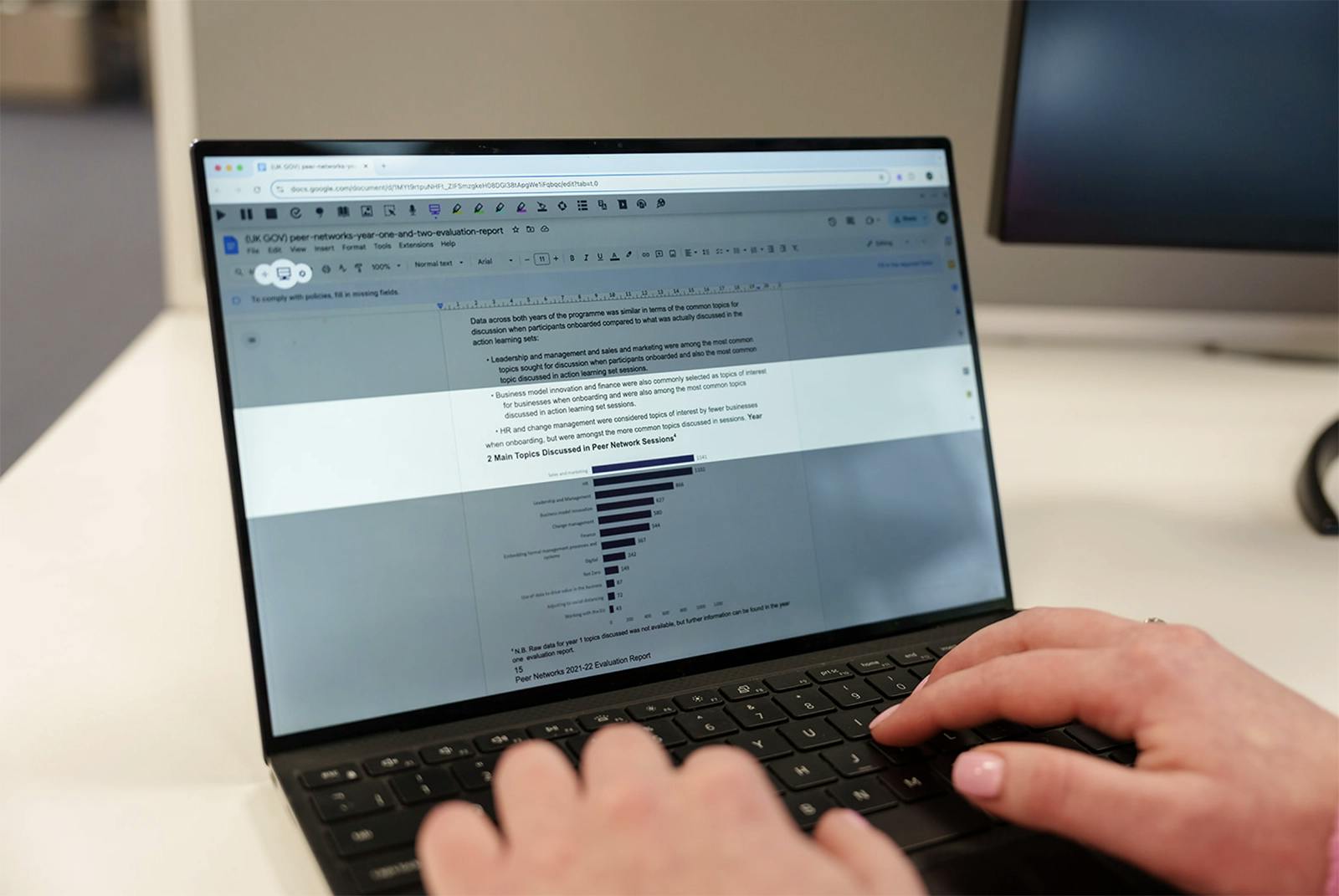
Creating a neuroinclusive culture means designing systems that support every employee, without them needing to ask. Assistive technology like Read&Write for Work plays a key role in that shift.
How Read&Write supports a neuroinclusive culture:
- Builds equity by default: When tools like Text-to-Speech and Check It are available to everyone, support becomes part of the workplace culture, not a special request.
- Encourages independent learning: Employees can use features such as Dictation or Screen Masking to manage focus, reduce fatigue, and work in ways that suit their thinking style.
- Fosters communication and collaboration: Tools like Voice Notes make feedback and discussion more personal and accessible across teams.
- Reinforces belonging: Making assistive tools standard sends a clear message that accessibility and choice are core to how your organisation operates.
Other topics on neurodiversity in the workplace
Employee Resource Groups
Read more →
Universal Design for work
Explore guide →