Explore more on ADHD below
Or return to our main guide on neurodiversity at work to learn how different neurotypes and practices come together to create a neuroinclusive culture.

What is ADHD and how does it affect work?
It’s estimated that around 5% of the population has ADHD (Attention Deficit Hyperactivity Disorder). ADHD is a neurodevelopmental difference that affects attention, focus and impulse control. Employees with ADHD may experience challenges with surrounding concentration, organization or managing time, particularly in fast-paced or highly structured environments.
ADHD diagnoses are rising worldwide, largely due to greater awareness. Individuals with ADHD can also have many strengths such as problem-solving, thrive under pressure and show intense focus, or hyperfocus, when working on tasks that spark their interest. They can be proactive, resilient and highly creative. With the right environment and tools, these strengths can drive innovation and energy across teams.
What does it feel like having ADHD at work?
Having ADHD at work can present a number of challenges for individuals, particularly in a neurotypical environment that may not cater to them. One common ADHD challenge for adults is difficulty with sustained focus and attention, which can make it hard to complete tasks.
Employees with ADHD may also find interpersonal interactions hard at times. This can include talking excessively or struggling to read social cues. As a result, employees with ADHD may feel dissatisfied with their work, isolated and frustrated.
To help all employees reach their full potential, it’s our duty as employers to create an neuroinclusive workplace. In an open and welcoming culture, not only can employees with ADHD thrive, but the business as a whole can benefit from the unique strengths these employees provide.

What are the benefits of hiring employees with ADHD?
Neurodivergent individuals, including those with ADHD, represent a vast and often untapped talent pool of talent. These individuals are wired to provide valuable outside-the-box thinking. By embracing neurodiversity, employers can gain a competitive advantage and contribute to the success of their business. Here are some of the benefits of hiring employees with ADHD:

AI tools boosting focus, clarity and productivity
Join Martin McKay, Everway’s Founder and Executive Chair, as he unveils AI tools designed to help everyone work to their strengths. Especially helpful for employees with ADHD and autistic thinkers.
Adjustments and accommodations for employees with ADHD
Supporting employees with ADHD to achieve their best means helping them overcome any challenges. Start by asking the employee if they need any extra support. Then discuss what adjustments would benefit them. We’ve provided some examples of simple adjustments below.







How to support employees with ADHD without disclosure
Although some employees may feel comfortable sharing their ADHD diagnosis, this isn't the case for everyone. Many do not disclose due to the fear of stigma and discrimination. In fact, 76% of employees with a disability or neurodivergent condition do not disclose this at work. Luckily, there are multiple ways to ensure all employees are supported, whether they disclose that they’re neurodivergent or not:

- Hold neurodiversity awareness training for all employees to educate them about neurodiversity, including ADHD, and the common challenges faced by individuals with ADHD.
- Offer flexible work arrangements, such as flexible schedules or remote work options. This allows employees to adjust how they work to their own needs, rather than needing to ask for adjustments.
- Provide time management training, such as techniques for prioritising tasks, managing deadlines and staying organised. Making these resources available to all can help employees with adhd without singling them out.
- Create a workspace that minimises distractions and excessive sensory stimuli, such as a lot of noise or bright lights.
- Encourage employees to create Employee Resource Groups (ERGs) focused on neurodiversity. These networks can provide valuable resources and guidance without needing disclosure.
- Provide tools that promote different ways of thinking, communicating and working to all employees, without the need for disclosure. For example, Read&Write for Work.
Tips for managing employees with ADHD
Every individual with ADHD experiences it differently. What works well for one employee might not work for another, so it's important to communicate with each employee to see what works for them. This general checklist gives managers a few areas to reflect on.
- Be clear and consistent: Share goals and expectations in writing, and check that information is understood
- Balance structure with flexibility: Offer enough structure to help with focus but leave room for creativity and autonomy
- Break projects into steps: Large or open-ended tasks can be overwhelming. Smaller milestones can help maintain motivation
- Recognise strengths: Notice moments of creative insight, energy, and hyperfocus, and celebrate them as valuable contributions
- Reduce distractions: Make simple adjustments like quiet zones, flexible workspace options, or tools that aid concentration
Assistive technology for employees with ADHD
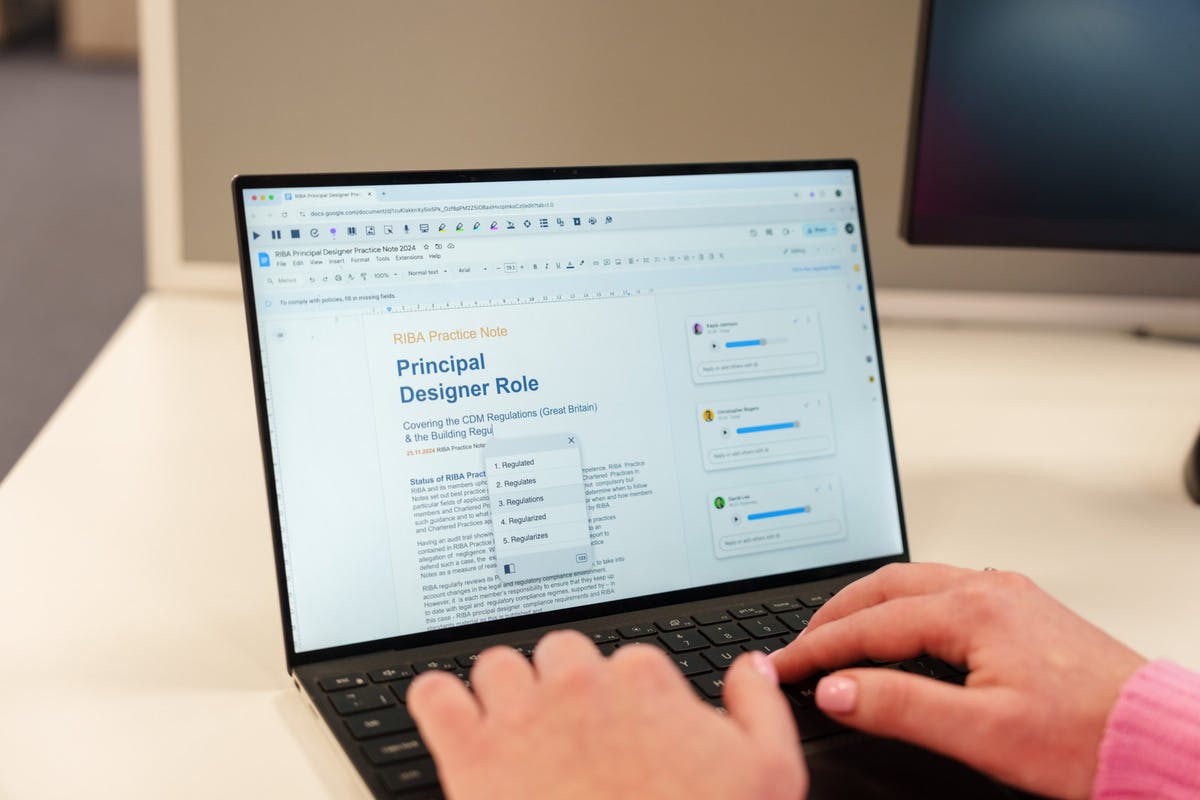
There are many ways to support employees with ADHD through neuroinclusive workplace design, but assistive technology can often have the most immediate impact. Read&Write for Work gives employees practical tools to manage focus, structure tasks, and boost productivity. For example:
- Dictation: Allows employees to speak their ideas. Ideal for keeping up with fast-moving thinking or brainstorming on the go
- Voice Notes: Makes collaboration easier by recording quick feedback or ideas directly into shared documents.
- Text-to-Speech: Reads on-screen text aloud to support concentration and comprehension, helping employees stay engaged.
- Highlights: Helps organise key information from emails, reports, and research into clear and summaries
- Screen Masking: Calms visual clutter with adjustable color tints and a reading pane that reduces distractions.
- Prediction and Check It: Provide instant writing support, catching small errors and maintaining momentum
Other topics on neurodiversity in the workplace
Support employees with autism
Read guide →
Support employees with dyspraxia
Explore guide →
Support employees with executive function
Learn more →
Neuroinclusive recruitment and onboarding
Read guide →
Neuroinclusive culture and values
Learn more →
Employee Resource Groups
Read guide →
Universal Design for work
Learn more →