Teaching math in in today’s diverse classrooms

Mathematics plays a key role in building critical thinking, problem-solving skills, and overall cognitive development. This guide gives educators practical ideas to help build a dynamic and engaging math learning environment. Whether you’re teaching online, in a physical classroom, or both, you’ll find support that fits your needs.

Don’t forget to bookmark this guide

Book a chat with our product and education specialists to hear more about strategies for a neuroinclusive education for neurodiverse students.

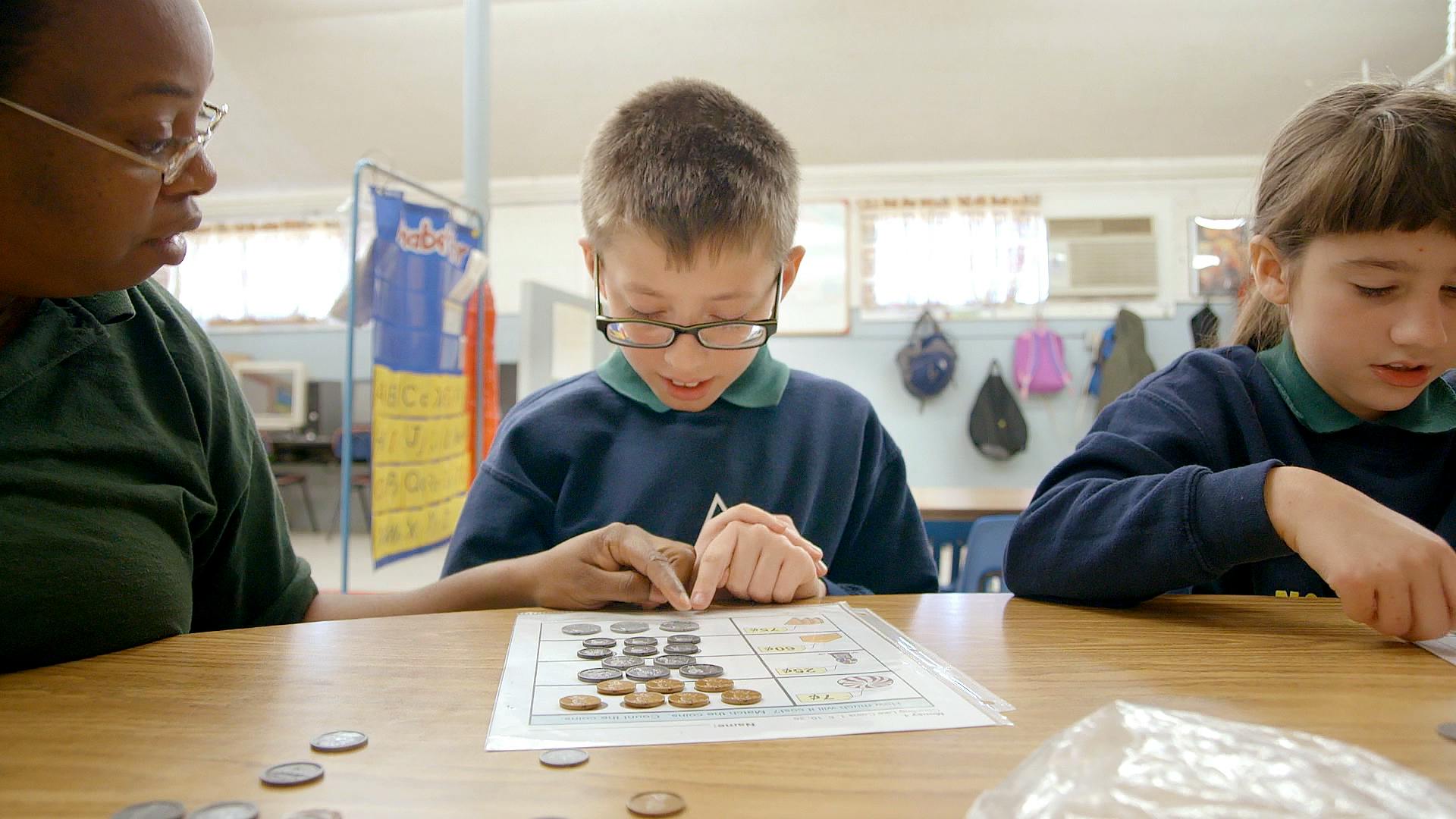
A teacher helps two students identify and count coins on a worksheet during a classroom activity.

Why math matters in school and life

Math shows up in everything from cooking to engineering to finance. It’s also essential for critical thinking and problem solving. It works the same way all over the world, so people can use it to communicate and solve problems across cultures.

This matters in a globalized world where we’re closely connected. And in a world where AI and data science are growing fast, there’s a lot to be excited about when it comes to teaching and learning math.

Resources for teaching math

Whether you’re a seasoned educator or a new teacher, this guide is here to help you make math more accessible and engaging. It’s full of resources that support students to tackle math with more confidence.

Together, we can build a strong foundation for the problem solvers of the future and help more students develop a lasting interest in math.

Teacher and student look intently at a laptop screen together in a classroom, focusing on a learning activity.

Common challenges students face in math

Many students find parts of math hard at some point. That doesn’t mean they can’t learn it. It often means they need more time, a different explanation, or another way to access the same idea. Some of the most common challenges when teaching math include:

Child smiling while pointing to a flashcard during a classroom learning activity.
  • Increasing complexity: topics move on quickly and some learners need more time to process new ideas
  • Gaps in foundations: missing earlier skills makes later concepts feel confusing
  • Fear of failure: students may worry about getting answers wrong in front of others
  • Math anxiety: past experiences can make math feel stressful before the lesson even starts

Neurodiversity and math learning

Every classroom includes students who think and learn in different ways. Neurodiversity is the idea that brains work differently, and that these differences are part of natural human variation, not problems to “fix”. Neurodivergent students might include those with:

Dyslexia mainly affects reading, spelling, and processing written language. In math, this can make it harder for students to read numbers and symbols, follow the language used in word problems, or hold multi-step instructions in mind. They may fully understand the mathematical idea but struggle to show that understanding when tasks rely on reading or writing. Extra time, clear explanations, and visual support can help students focus on the math rather than the literacy load.

Dyslexia mainly affects reading, spelling, and processing written language. In math, this can make it harder for students to read numbers and symbols, follow the language used in word problems, or hold multi-step instructions in mind. They may fully understand the mathematical idea but struggle to show that understanding when tasks rely on reading or writing. Extra time, clear explanations, and visual support can help students focus on the math rather than the literacy load.

Deep dive topics and how-tos

Making math engaging

We explore strategies that make math captivating for students, taking it from a dreaded subject into an exciting learning experience.

Explore more →

Math and learning differences

Explore the challenges faced by neurodivergent students such as those with dyslexia or dyscalculia. Find adaptable techniques to help.

Read guide →

Math education technology

Discover the importance of introducing technology when teaching math, how it creates neuroinclusive classrooms and and examples of how to use it for math learning.

Learn more →

The future of math education

As education evolves, so does math instruction. Explore emerging technologies and teaching strategies that will shape the problem-solvers of tomorrow.

Explore more →

Why student engagement in math matters

Engagement is more than students “liking” math. It’s about being curious, willing to try, and staying with a problem even when it feels hard. When students see how math connects to their lives and interests, they’re more likely to lean in. Engaged students are more likely to:

  • take part in class discussions
  • try different strategies, even if they’re unsure
  • complete and hand in work
  • build a deeper understanding of key concepts
  • keep going with math as they move through school
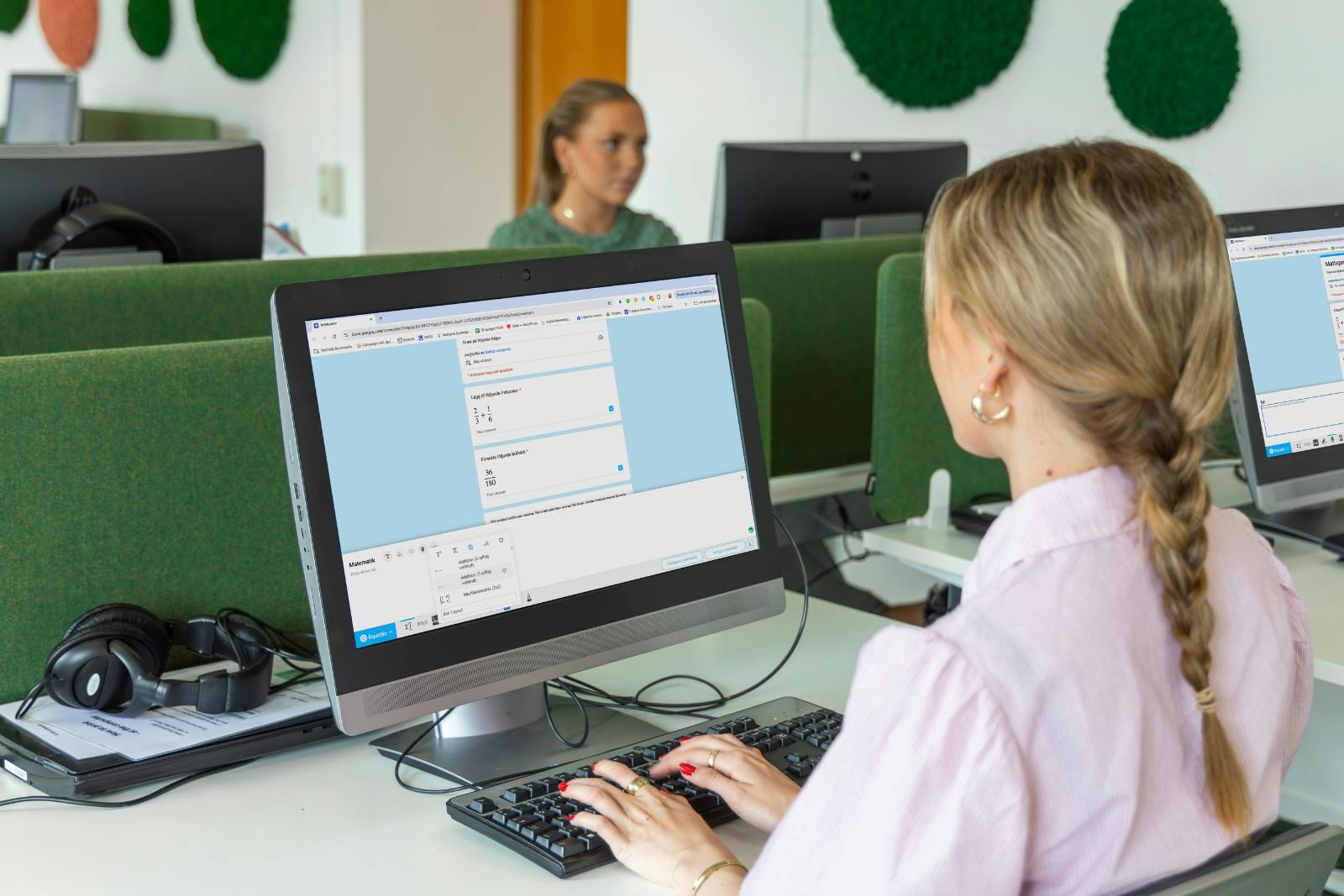
someone using equatio form builder on a computer in a lab

Why use technology in math instruction

Technology can help make math more visual, more interactive, and more accessible. It lets students explore ideas in different ways, and gives teachers flexible tools to support a wide range of needs.

Thoughtful use of technology can:

  • show abstract concepts in more concrete and visual ways
  • provide immediate feedback so students can learn from mistakes
  • support different input methods, like typing, handwriting, or voice
  • help teachers personalise practice and track progress
  • remove some of the barriers for students who struggle with writing, reading, or organisation

Tools to support math learning

Alongside teaching strategies, the right tools can make math more accessible and engaging for every student. Here are some of the products that can support math teaching and learning:

Equatio logo

Equation editor that makes math digital and accessible with multiple means of input.

Multi-sensory math curriculum to help students understand concepts and build foundational skills.

Catoosa County School District logo and student using Equatio

Digital math in action

“This was the real turning point for me and my students. We could finally learn math in a fully digital and inclusive way.”

Lakeview-Fort Oglethorpe High School saw immediate benefits after introducing Equatio, including a smoother transition to remote learning and a more collaborative, digital approach to math.


Using Equatio for math learning

Further insights and resources

Discover webinars, guides, and real stories about creating neuroinclusive learning environments.

Get in touch

Our award-winning tools support all students, including those who are neurodivergent and in special and general education. Find out how they can help make a difference.