Teaching math to students with learning differences
Here, we’ll address the challenges faced by students with learning differences, such as dyslexia or dyscalculia.
Here, we’ll address the challenges faced by students with learning differences, such as dyslexia or dyscalculia.
Return to our main guide on teaching and math learning to find out more strategies, tools and resources for students and teachers.
Math can be a challenging subject for many students, and every student will engage with your class content in different ways. We need to help them see that math is fascinating, how it affects everyday life and how it continually shapes the world we live in.
Students with learning differences can face challenges in math, but with the right support, they can succeed. There are many different learning differences that can impact a student's ability to learn math, such as dyslexia, dyscalculia, and ADHD.
By understanding the specific learning differences of each student, teachers can provide the most effective support.
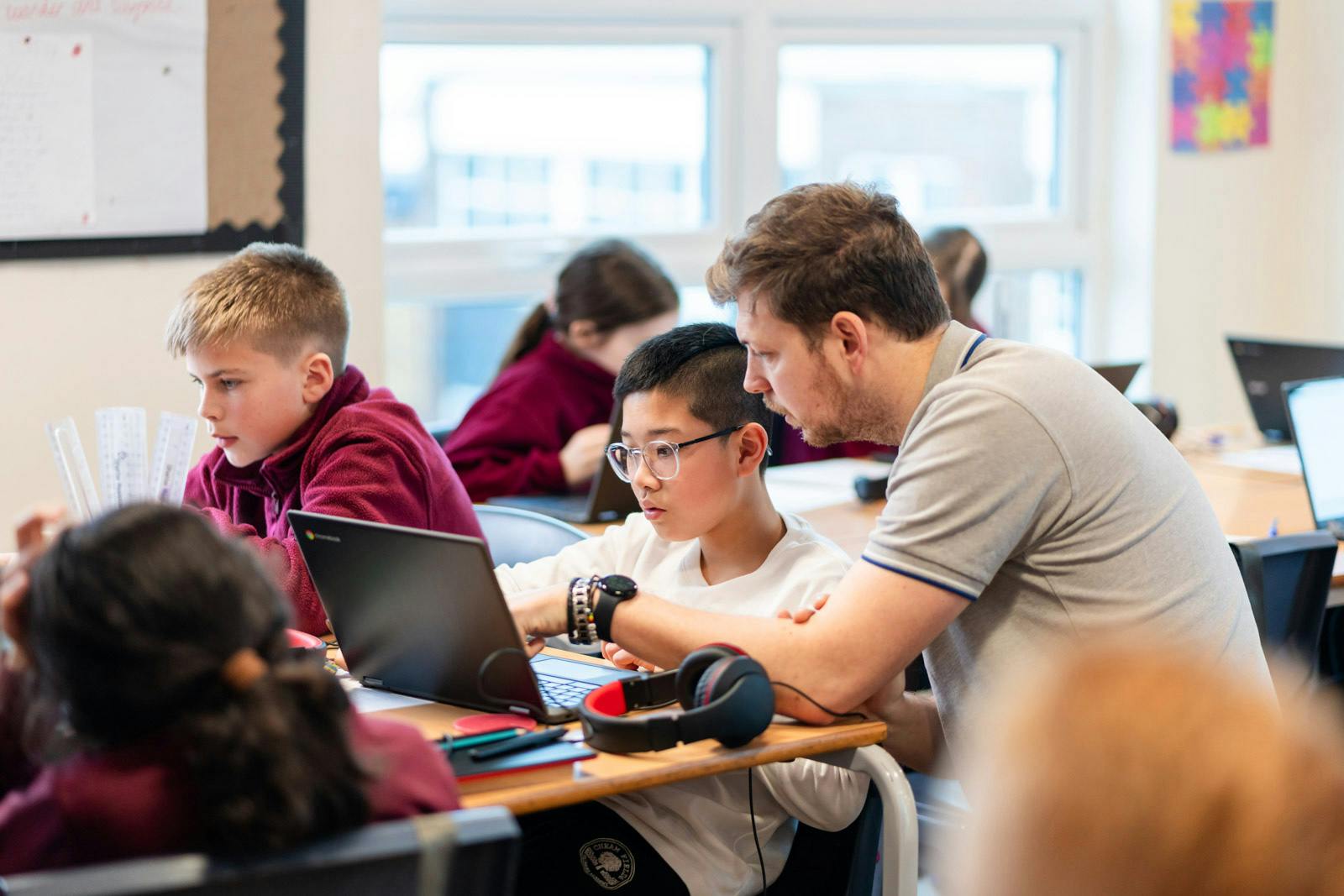

Dyslexia is a learning difference that primarily affects reading and language skills, but it can also impact the understanding of math. Students with dyslexia may struggle with recognizing numbers, sequencing, and understanding math symbols.
Dyscalculia, on the other hand, is a specific learning disability that makes it challenging to understand and work with numbers. Individuals with dyscalculia might find it difficult to grasp basic math concepts, memorize multiplication tables, and understand abstract math ideas.
Dyscalculia is a specific learning disability that affects a person's ability to understand and work with numbers. Individuals with dyscalculia may struggle with number sense, arithmetic operations, spatial reasoning, and mathematical concepts. It is important to recognize that dyscalculia is not a reflection of intelligence but rather a neurological difference in processing math information.
Dyscalculia is a specific learning disability that affects a person's ability to understand and work with numbers. It can include finding it difficult to memorize numbers, mathematical concepts and steps in math problems. This not only affects how students work and understand in the math classroom, but can also lead to difficulty when math is used across the curriculum and in everyday life.
Dyscalculia is not a reflection of a student’s intelligence, but instead a neurological difference in understanding mathematical information. This means when given the right support, students with dyscalculia can thrive in the math classroom. It’s also important to know that each student with dyscalculia will have different strengths and challenges, so it’s important to provide the right support for each student.
Dyscalculia is a specific learning disability that affects a person's ability to understand and work with numbers. It can include finding it difficult to memorize numbers, mathematical concepts and steps in math problems. This not only affects how students work and understand in the math classroom, but can also lead to difficulty when math is used across the curriculum and in everyday life.
Dyscalculia is not a reflection of a student’s intelligence, but instead a neurological difference in understanding mathematical information. This means when given the right support, students with dyscalculia can thrive in the math classroom. It’s also important to know that each student with dyscalculia will have different strengths and challenges, so it’s important to provide the right support for each student.
Dyslexia is a specific learning disability that affects a person's ability to read, spell, and process language. Students with dyslexia may face challenges with decoding symbols, recognizing patterns, and organizing information. Dyslexia primarily affects reading and language skills, but the challenges faced by a student with dyslexia are more wide-reaching, they can also have an impact on how a student learns and understands mathematics.
Dyslexia can affect a person's ability to read, spell, and process language. These difficulties with learning about letters and sounds can sometimes carry over to math. Students may reverse their numbers when doing math problems, or find it hard to understand and memorize math symbols, terms and language. They may be more prone to forgetting previously learnt methods and sequences.
Many learners with dyslexia have strong spatial visualization skills. This means they often learn better with pictures and objects. It’s also important to remember that each learner with dyslexia is unique and what works for one learner, may not work for another. By making the right accommodations that cater to dyslexic learners, we can make sure that these students have everything they need to succeed in the math classroom.
Dyslexia can affect a person's ability to read, spell, and process language. These difficulties with learning about letters and sounds can sometimes carry over to math. Students may reverse their numbers when doing math problems, or find it hard to understand and memorize math symbols, terms and language. They may be more prone to forgetting previously learnt methods and sequences.
Many learners with dyslexia have strong spatial visualization skills. This means they often learn better with pictures and objects. It’s also important to remember that each learner with dyslexia is unique and what works for one learner, may not work for another. By making the right accommodations that cater to dyslexic learners, we can make sure that these students have everything they need to succeed in the math classroom.
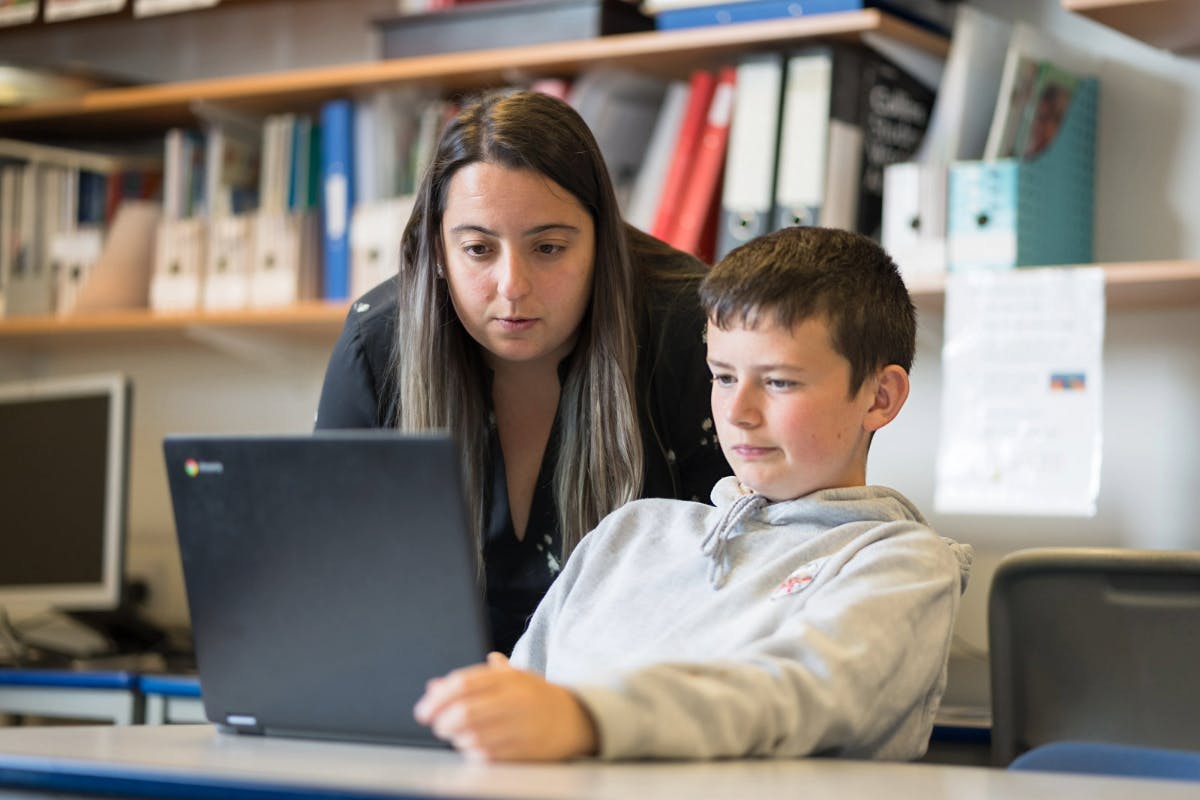
When planning our math lessons, it’s crucial that we provide multiple representations of mathematical concepts. This means using a variety of methods to explain and illustrate math concepts, such as using visual aids, hands-on activities, and real-world examples.
The right tools can help remove common barriers in math learning and give students more ways to show what they understand. For learners with dyslexia or dyscalculia, flexibility, visual support, and alternative ways to work with math are especially important.

Lets students type, handwrite, or speak math. Visual tools like graphing and freehand drawing help make abstract concepts clearer, which can support students with dyslexia or dyscalculia.

A multi-sensory math curriculum that builds number sense through hands-on, visual approaches. This can be especially helpful for students who need concrete ways to understand math concepts.
Find free webinars, blogs, guides and more on learning and teaching tools and strategies.