Create high-quality, compliant IEPs with confidence
Writing IEPs can be time-intensive and high-stakes. Polaris helps educators produce clear, compliant plans more efficiently, freeing up time to focus on teaching and student progress.

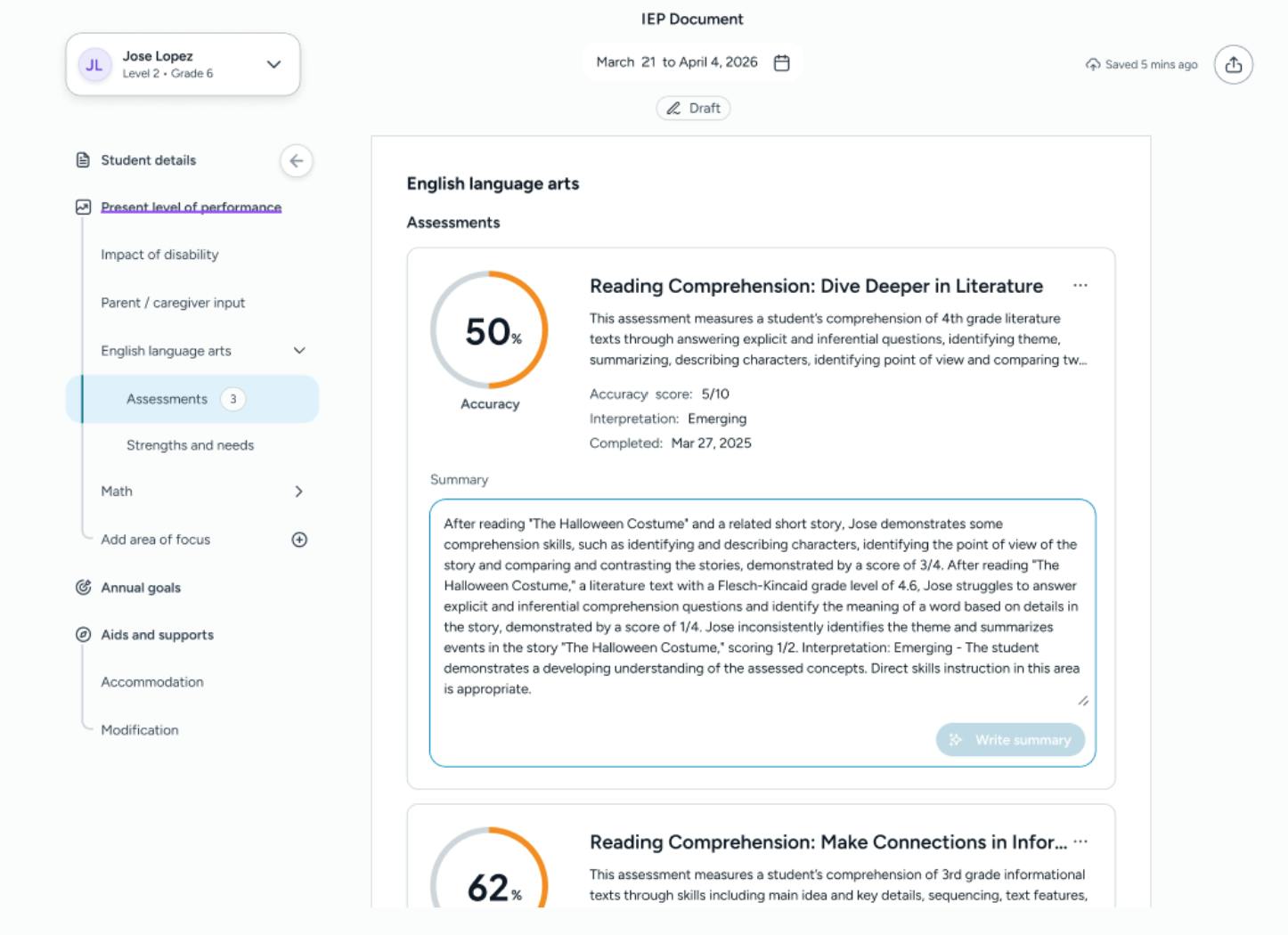
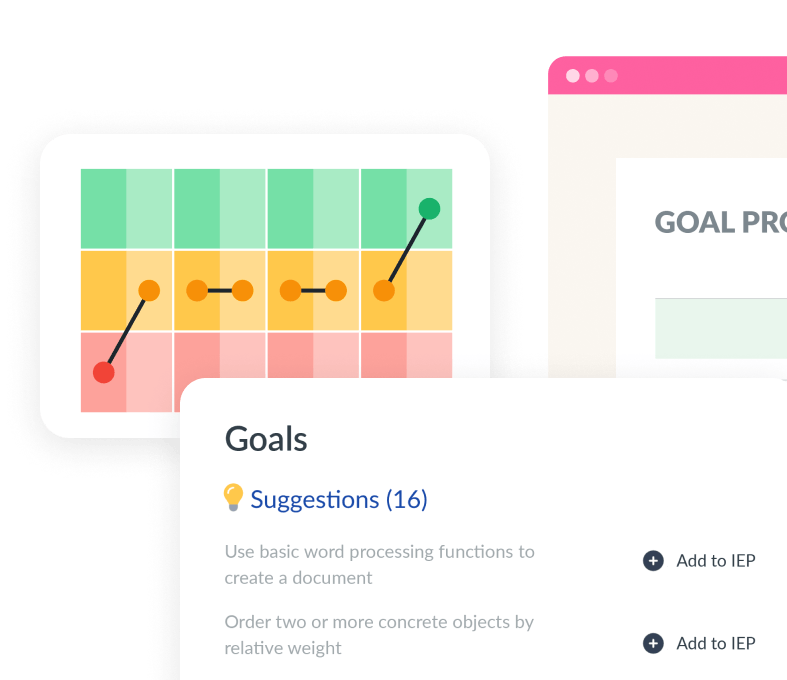
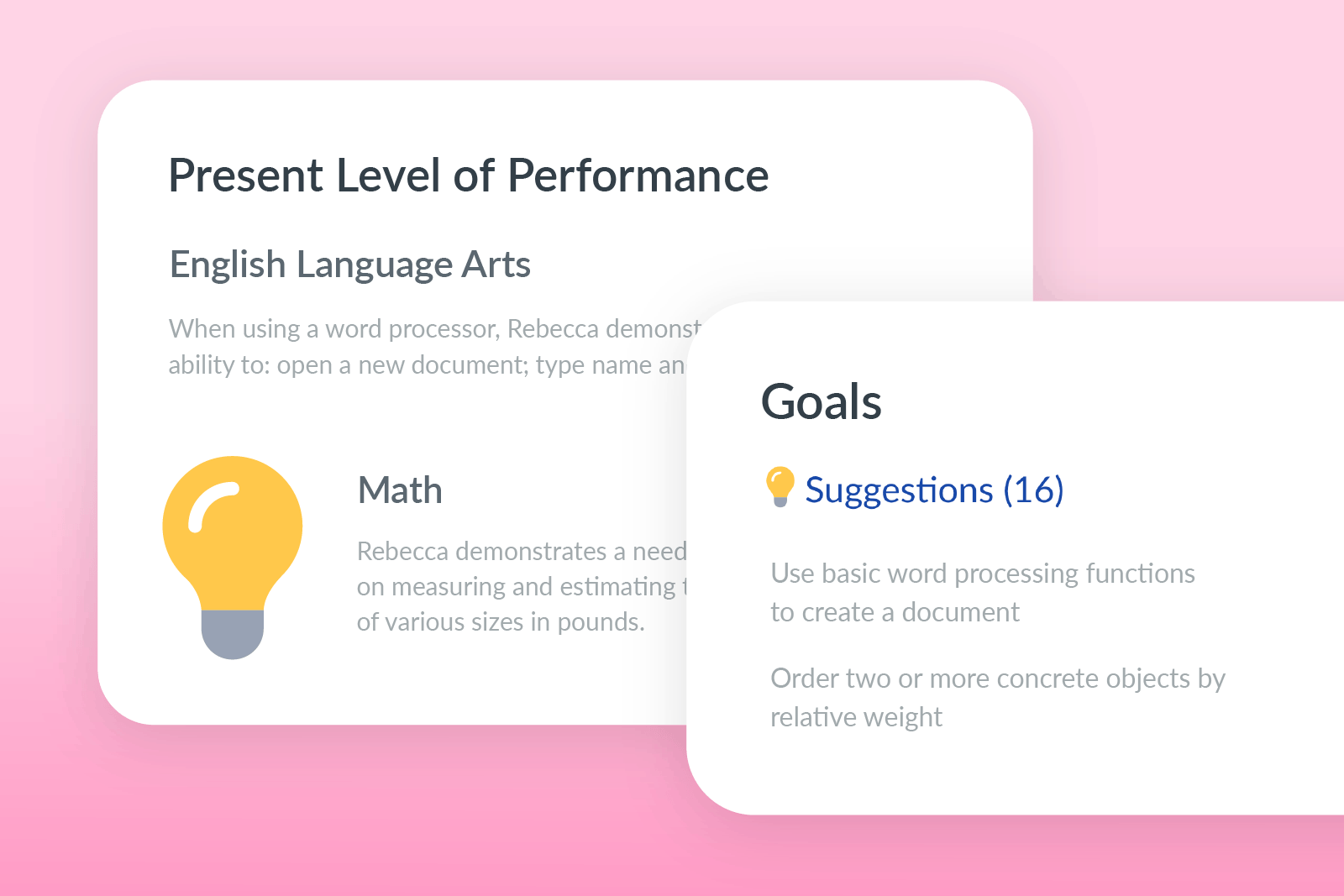
IEPs made easy with Polaris. Create, implement and monitor IEPs tailored to each student’s needs. Polaris saves time by generating present level statements and suggesting SMART goals based on assessments.
Trusted by schools and districts nationwide




Helping every student reach their full potential as educators can make data-driven decisions with our innovative IEP software.
Writing IEPs can be time-intensive and high-stakes. Polaris helps educators produce clear, compliant plans more efficiently, freeing up time to focus on teaching and student progress.

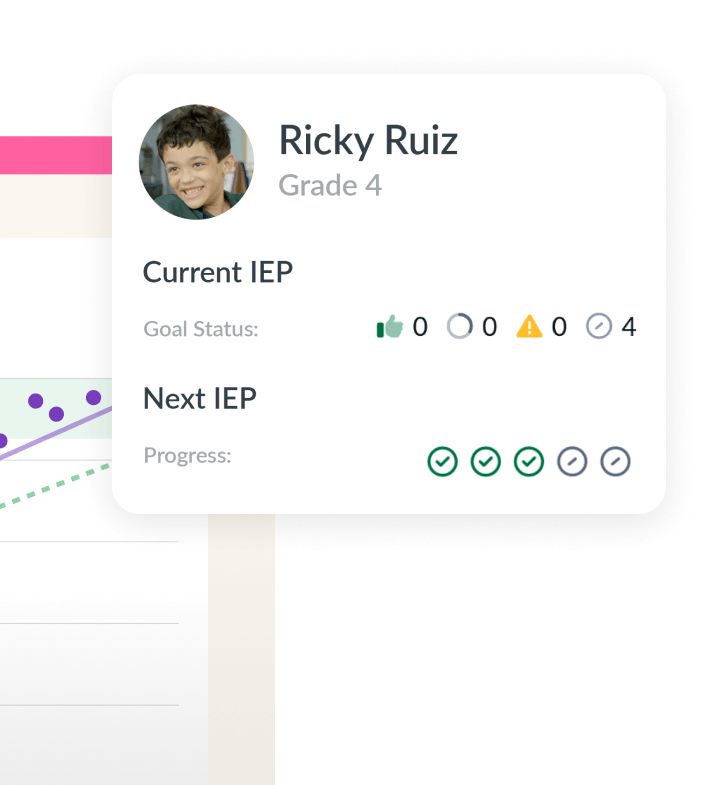
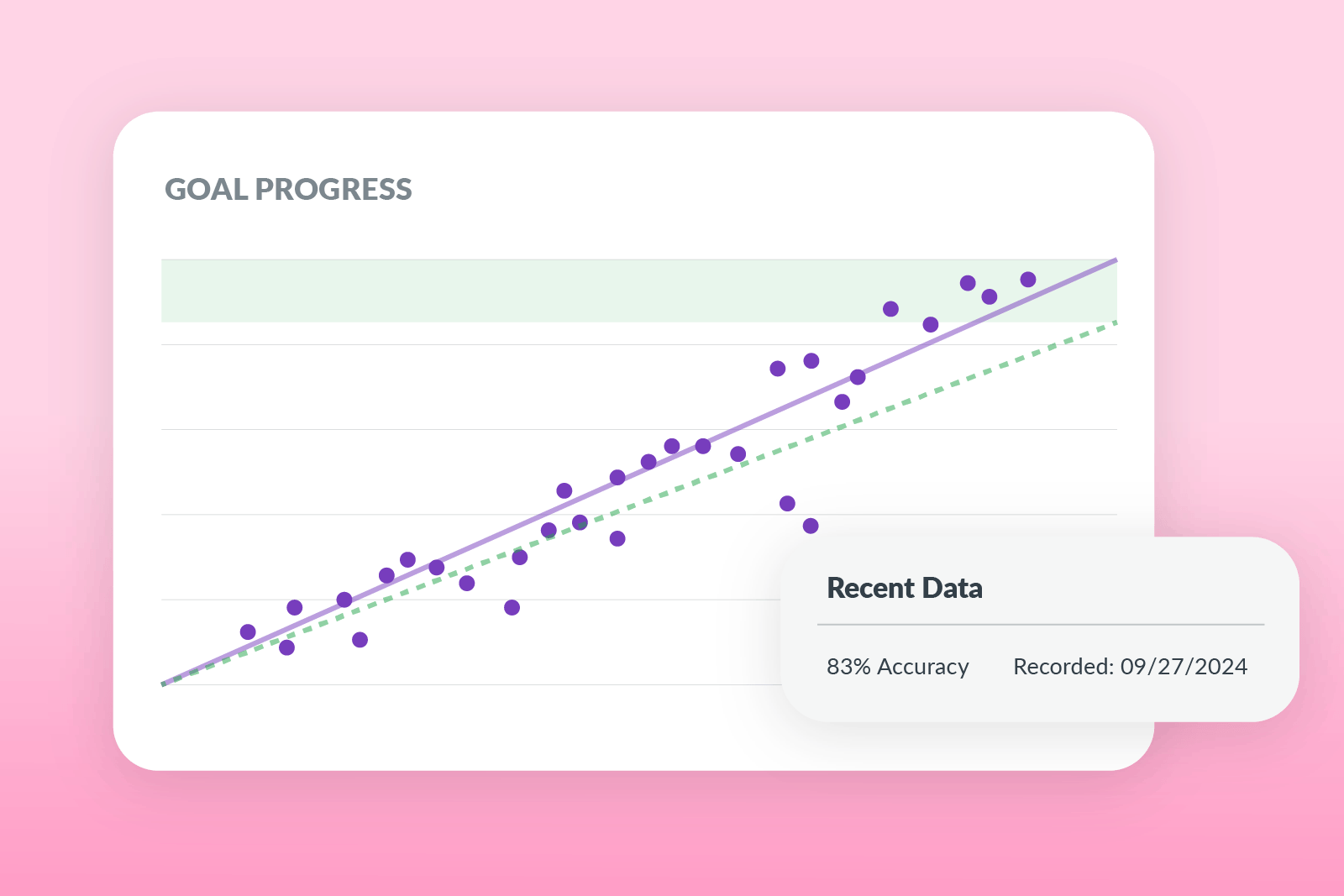
Educators need a simple way to track progress and respond quickly when students need additional support. Polaris brings performance data together in one place to support informed decision-making.
Discover more uses cases for Polaris

Districts need consistency across IEPs while supporting collaboration among teams. Polaris helps align practice and reduce variation, without adding administrative burden.
“Polaris makes it easy to find and share reports on students’ performance.”


Connected solutions for better results
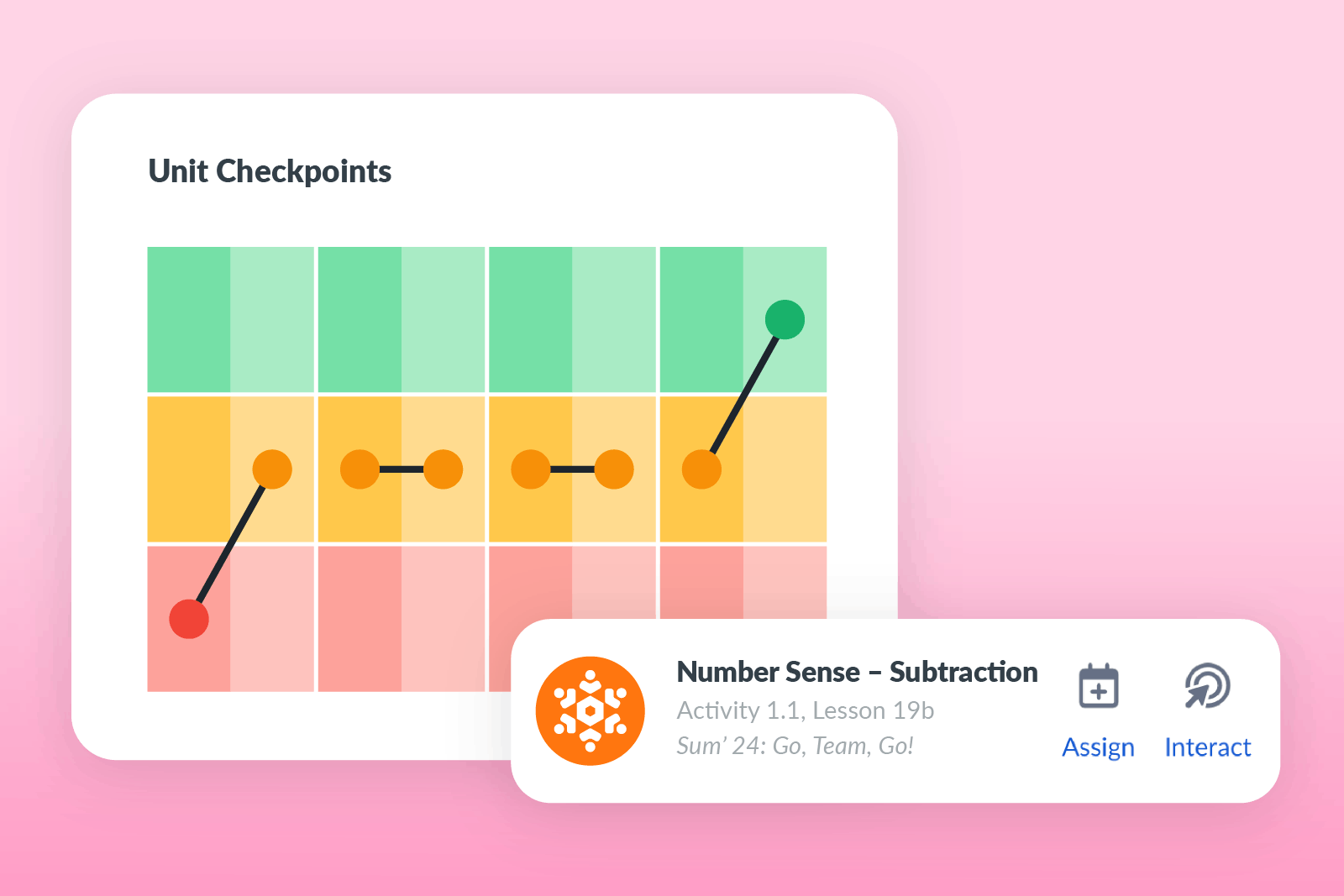
Seamlessly integrate Unique Learning System and Polaris to streamline your IEP process. ULS provides the data, and Polaris turns it into actionable insights, from present levels to SMART goals and instruction. Polaris also suggests ULS lessons aligned with IEP goals, syncing data for seamless progress tracking.
We regularly update our products with new features and enhancements.
11 hours+ saved compared to traditional IEP writing, here’s how:
saved in administering benchmarks and assessments.
saved in writing present level statements.
saved in writing SMART goals and objectives.
saved in completing other parts of a compliant IEP.



What's included: (All prices listed in USD)
10-pack of student licenses per year
Includes unlimited access for service providers
Discover how Polaris can help reduce teacher workload and enhance student outcomes.
Complete the form to request a personalized demo or a quote, and we’ll be in touch soon.
What is an IEP in school?
An IEP, or Individualized Education Program, is a legally binding document that outlines the specialized instruction, services, accommodations, and goals for a student with a disability who qualifies for special education under IDEA (Individuals with Disabilities Education Act). The IEP is developed collaboratively by a team that includes parents, teachers, specialists, and administrators. It details the student's present levels of performance, measurable annual goals, the services they'll receive, and how progress will be monitored. An IEP ensures students with disabilities have access to the education they need to make meaningful progress.
What qualifies a child for an IEP?
A child qualifies for an IEP if they have one or more of the 13 disability categories recognized under IDEA and require specialized instruction to access their education. These categories include specific learning disabilities, autism, speech or language impairments, intellectual disability, emotional disturbance, and others.
Qualification requires a comprehensive evaluation conducted by the school's multidisciplinary team, demonstrating that the disability adversely affects educational performance and that the child needs special education services, not just accommodations. The evaluation process examines academic achievement, cognitive abilities, and functional performance to determine eligibility.
Read about what parents can expect at an IEP eligibility meeting.
What is Polaris software and how does it support the IEP process?
Polaris software streamlines the IEP process from planning and writing to implementation and monitoring, saving educators hours. With automated recommendations, SMART goals, and step-by-step guidance, Polaris provides a user-friendly platform that makes creating, monitoring, and adjusting IEPs easier and more effective.
How does it differ from other IEP software for schools?
Polaris is a comprehensive IEP software designed for special education needs. Unlike other IEP software, Polaris offers integrated assessments, standards-aligned SMART IEP goals, and collaboration tools that bring the entire IEP team together. Its data-driven approach and tailored recommendations set it apart, helping schools develop truly personalized and compliant education plans.
Does Polaris serve students following both general education and extended standards?
Yes, Polaris includes assessments and standards-aligned goals for students on both general education and extended standards. Teachers writing IEPs for students accessing either the general education curriculum or a modified core curriculum, such as Unique Learning System, benefit from Polaris’s guidance on IEP writing, instructional implementation, progress monitoring, and reporting.
Is Polaris like a goal bank, where all students have similar goals?
No, Polaris is much more than a goal bank. Polaris recommends individualized, compliant, standards-aligned IEP SMART goals based on each student’s specific assessment data. Teachers can also customize IEP goals as needed to meet individual requirements.
Do teachers need to analyze assessment data for present level statements and progress monitoring reports?
No, Polaris analyzes the data for you. Collected data is presented in an easy-to-read, interpretive format in present level statements and as user-friendly graphs, allowing all IEP team members to quickly understand progress and insights.
Does Polaris only support school-age students with academic needs?
No, Polaris supports students from preschool through transition age, addressing all academic areas of need, including reading, writing, math, science, and social studies. Polaris also supports students with behavoral, motor, communication, social, emotional, adaptive, functional, vision, and hearing needs.
How does Polaris support SMART IEP goal setting?
Polaris is specifically designed to support educators in creating standards-aligned SMART goals based on individual student data. With its intuitive setup, teachers can develop accurate, compliant goals that reflect each student’s current performance and specific needs, making sure that each IEP is meaningful and actionable.
How do you track data and monitor progress on IEP goals in Polaris?
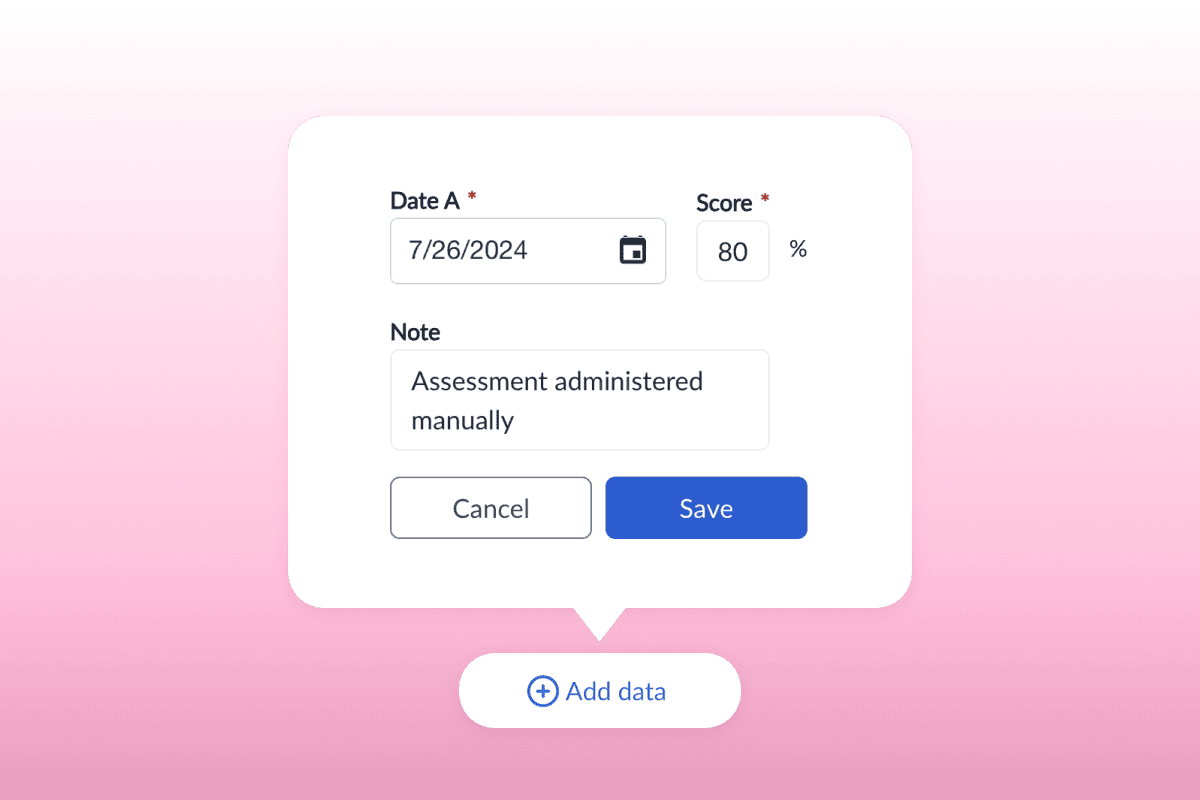
Polaris simplifies tracking with easy-to-read reports and data visualization tools. As students progress, Polaris updates performance metrics in real time, allowing teachers to monitor progress and make adjustments as needed to support continuous growth.
What’s the difference between an IEP and a 504?
An IEP is part of special education under IDEA and provides specialized instruction, related services, and accommodations for students who need special education to access their curriculum. A 504 plan, authorized under Section 504 of the Rehabilitation Act, provides accommodations and modifications for students with disabilities who don't require specialized instruction but need support to access general education. IEPs involve more comprehensive services, detailed goals, and progress monitoring, while 504 plans focus on removing barriers through accommodations like extended time, preferential seating, or assistive technology. Students with IEPs receive special education services; students with 504 plans remain in general education with supports.
Learn more about the difference between IEPs and 504 plans.
What are examples of IEP goals?
IEP goals are measurable annual objectives tailored to a student's individual needs. Effective IEP goals follow the SMART framework: Specific, Measurable, Attainable, Relevant, and Time-bound. Examples include: "By the end of the school year, [Student] will read grade-level text at 120 words per minute with 95% accuracy in three out of four trials." For math: "Given visual support, [Student] will solve two-step word problems involving addition and subtraction with 80% accuracy across four consecutive data collection sessions." For behavior: "[Student] will use a coping strategy (such as taking a break or using a calm-down tool) when frustrated, reducing classroom disruptions to fewer than two instances per week for six consecutive weeks." Goals should connect to state standards and focus on helping students make progress in their areas of need.
Can you create IEPs for ADHD and autism?
Yes, students with ADHD or autism can qualify for IEPs if their disability adversely affects their educational performance and they require specialized instruction. For students with ADHD, IEPs might include goals related to executive functioning, attention, task completion, and self-regulation, along with accommodations like breaks, reduced distractions, visual schedules, and organizational supports.
For autistic students, IEPs often address communication, social skills, sensory needs, and adaptive behaviors, with supports that might include structured routines, visual supports, social narratives, and sensory accommodations. Polaris includes goal banks and templates specifically designed for various disability categories, including ADHD and autism, making it easier for teams to develop appropriate, individualized plans. The key is ensuring the IEP addresses each student's unique strengths and needs while providing the services and supports necessary for them to access their education.