
Using Positivity for positive behavior in classrooms
Positivity supports diverse learners with simple tools that guide behavior and build predictable routines. It helps students manage emotions, follow expectations and strengthen executive functioning skills across preschool to transition.
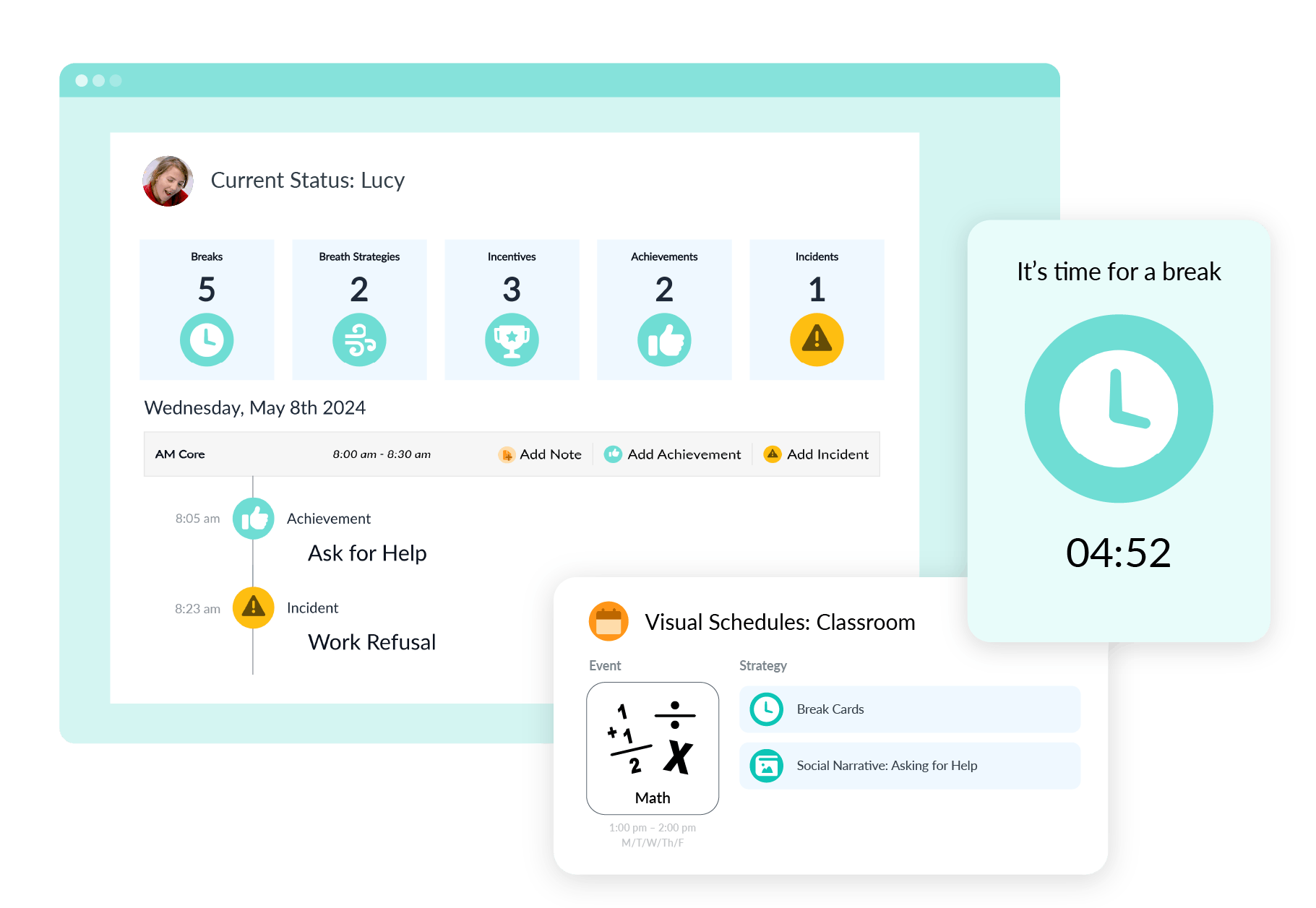
Explore how Positivity supports different learners and classrooms:
Supporting neurodivergent students
Students who are autistic, have ADHD or benefit from visual supports often need clear structure and gentle guidance to navigate their day.
Positivity provides predictable routines, step-by-step guidance and visual supports that help students regulate emotions, understand expectations and make positive choices.
How Positivity helps:
- Visual schedules offer clear routines that reduce anxiety around transitions
- Decision trees help students pause, reflect and choose safe, appropriate responses to challenges
- Social narratives explain social expectations in a simple, concrete way
- Break cards and breath strategies help students manage emotions proactively
Supporting students with disabilities
Students with diverse needs often require accessible tools to communicate, request help and understand behavior expectations. Positivity offers multiple ways to support understanding, emotional regulation and independence.
How Positivity helps:
- Break cards give students non verbal ways to communicate when they need space or support, helping reduce frustration and disruptive behaviors.
- Social narratives prepare students for real-life situations in a clear, relatable format
- Visual schedules help students understand what’s happening next and feel more secure
- Video modeling allows students to see and practice routines before trying them independently
General and special education classrooms
Positivity helps classrooms run smoothly by providing consistent behavior supports that can be used across subjects, settings and routines.
All students benefit from clarity and predictable expectations, especially during busy or transitional moments.
How Positivity helps:
- Visual schedules keep the whole class aligned on daily routines and expectations
- Incentive charts motivate positive actions and reinforce progress
- Alarms provide gentle reminders that help students take ownership of routines and maintain structure throughout the day.
- Social narratives and video modeling provide pre-made, customizable support for teaching shared routines and increasing student independence
Supporting students who need predictable routines
All students thrive when their day is structured and predictable. Positivity helps create calm, steady routines that reduce stress, build confidence and prepare students for what’s coming next.
How Positivity helps:
- Visual schedules outline the sequence of the day and minimize uncertainty
- Decision trees help students navigate unexpected moments with clear choices
- Alarms keep transitions smooth and on schedule
- Breath strategies support regulation when routines change or challenges arise.
Supporting teachers and instructional teams
Teachers need effective, consistent tools to guide behavior and reduce disruptions.
Positivity simplifies classroom management by offering ready-to-use strategies, reducing prep time and helping educators track progress with confidence.
How Positivity helps:
- Ready-made visual schedules, narratives and decision trees reduce planning time.
- Data collection and behavior tracking support IEP documentation and progress reporting.
- A centralized dashboard makes it easy to access tools in the classroom, cafeteria, home and beyond.
- Evidence-based supports promote consistent behavior expectations across staff and settings.
Explore the key features
Learn more about the tools that shape positive behavior across the school day.
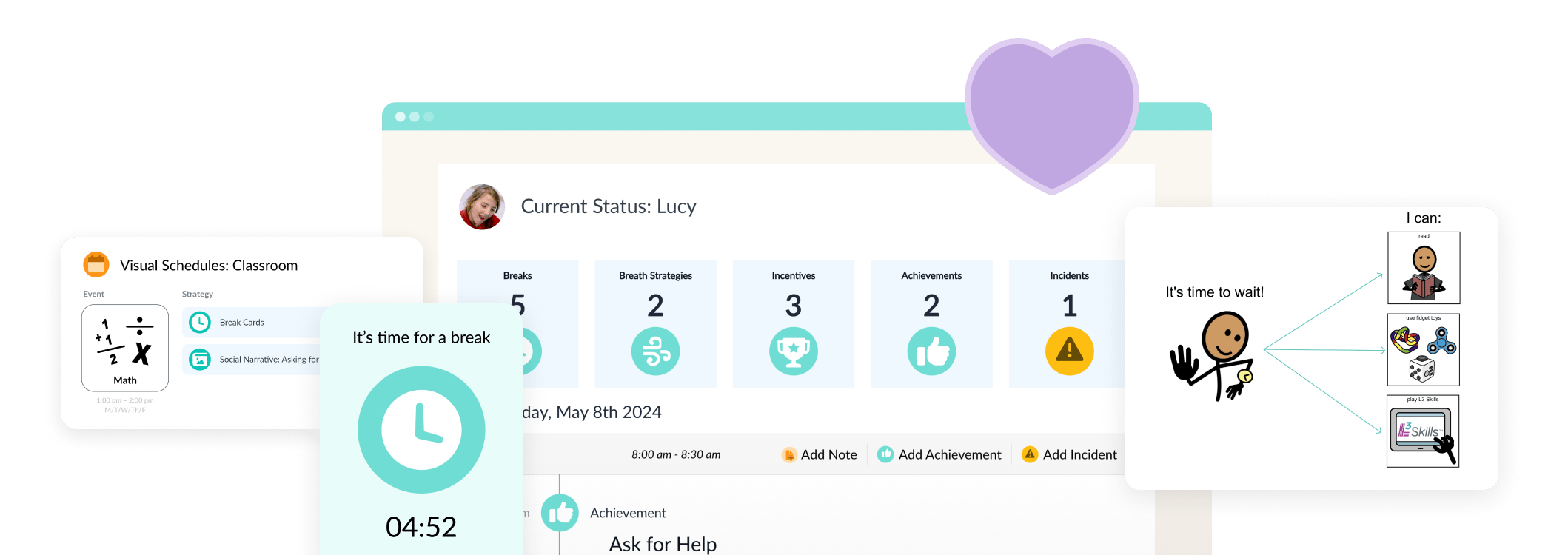
Ready to learn more about Positivity?
Share a few details with us and a member of our team will reach out to understand your goals, answer your questions and show you how Positivity can support your students.