Assistive Technology

Assistive technology helps people access information, communicate clearly, and work or learn with greater independence. Our software adapts to how each person reads, writes, and communicates.

Our solutions are used every day in schools, universities, and organizations around the world. Our tools support students with disabilities, neurodivergent learners, and employees who work better with tools that adapt to them.

An employee at a computer with headphones
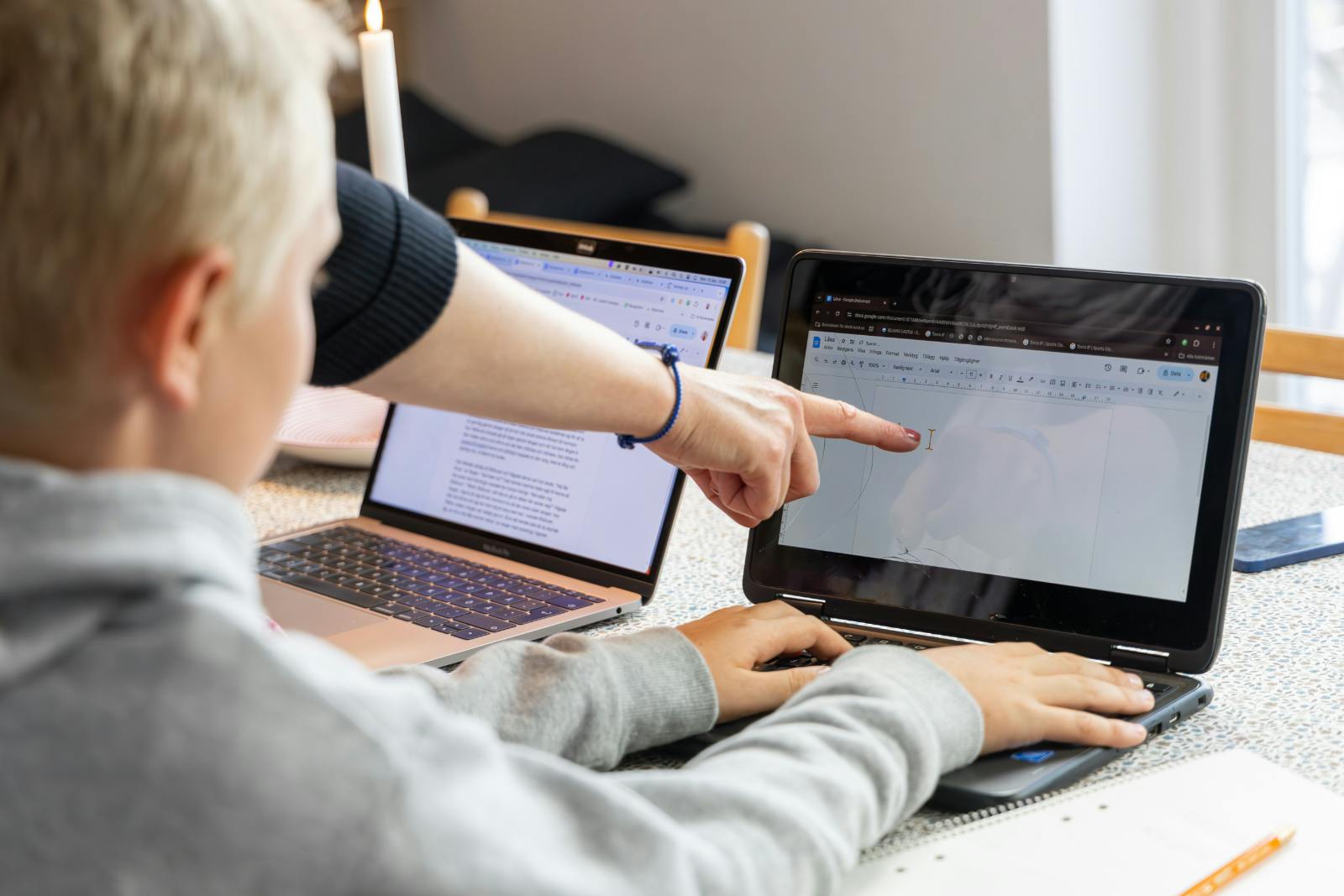
a teacher pointing at something on a laptop

Assistive technology explained

Assistive technology includes tools, software, or devices that help people access and understand information more independently.

In education, assistive technology in the classroom can support students who learn differently, those with disabilities, and anyone who finds reading or writing easier with the right support.

In the workplace, it helps employees perform at their best regardless of how they read, write, or process information.

Our tools combine text-to-speech, writing support, and document accessibility to help more people read, write, and share their ideas with confidence.

Assistive technology tools for students and for the workplace

Read&Write logo

Read&Write is a literacy support toolbar that brings together text-to-speech, writing support, and reading tools in one place. It works across the web, documents, and PDFs, helping students read, write, and understand information more independently.

Key features:

  • Text-to-speech reads any text aloud, reducing decoding load and supporting comprehension
  • Word prediction and writing support help students express ideas clearly
  • Highlighting and vocabulary tools support independent study

OrbitNote Logo

OrbitNote makes PDFs accessible with Text-to-speech and annotations. Students can hear documents read aloud, annotate, highlight, and respond to content directly within the file. It makes PDFs easier to read, understand, and respond to.

Key features:

  • Text-to-speech within PDF documents
  • Annotation, highlighting, and collaboration tools
  • Supports active reading and note-taking
  • Accessible across devices

Equatio logo

Equatio gives students and teachers a more accessible way to create, read, and work with math. From typed equations to speech input and handwriting recognition, it removes many of the barriers that make digital math hard to read or create.

Key features:

  • Type, speak, or handwrite math expressions and equations
  • Text to speech reads math content aloud
  • Works within Google Docs, Forms, and Microsoft Word
  • Supports students with dyslexia, dyscalculia, and wider math accessibility needs

Everway for Work

Everway for Work brings together Read&Write, MindView, and Global Tasks into one suite that helps neurodivergent employees understand information, organise their work, and communicate clearly.

Key features:

  • Read&Write for reading and writing support
  • MindView to turn ideas into visual plans and structured outlines
  • Global Tasks to break work into clear, prioritized steps

Curriculum and learning programs

Unique Learning System logo

Unique Learning System is a standards-based curriculum designed for students with complex learning needs. It provides differentiated lessons, symbol-supported content, and interactive activities that help students build communication, literacy, and life skills while engaging with age-respectful topics.

Key features:

  • Monthly thematic units aligned to academic standards
  • Differentiated lessons that support a wide range of learning levels
  • Symbol-supported text and visual supports for comprehension
  • Interactive activities that build communication and independence

New2you logo

News2you brings current events into the classroom through symbol-supported articles and activities designed for students with diverse learning needs. Each issue connects real-world news with literacy, communication, and critical thinking skills.

Key features:

  • Weekly current events adapted for accessible reading levels
  • Symbol-supported articles and multimedia content
  • Activities that support literacy, communication, and discussion
  • Real-world topics that help students connect learning to everyday life

Equals Mathematics logo

Equals Mathematics is a comprehensive math curriculum designed for students with complex learning needs. It supports conceptual understanding through hands-on activities, visual supports, and structured lessons that make math more accessible.

Key features:

  • Standards-aligned math instruction with structured lesson plans
  • Visual supports and hands-on activities that build understanding
  • Strategies that support students with diverse cognitive needs
  • Tools that help teachers track progress and adapt instruction

L3 Skills Logo

L3 Skills helps students build practical life skills that support independence beyond the classroom. The program focuses on communication, daily living, and workplace readiness through structured lessons and real-world activities.

Key features:

  • Lessons that support daily living, communication, and independence
  • Activities focused on workplace and community readiness
  • Structured learning pathways for transition planning
  • Flexible resources that support different learning needs

Communication and accessibility tools

Symbolstix Prime logo

SymbolStix Prime is a symbol-supported communication and learning tool that helps educators create accessible materials quickly. With a large symbol library and built-in templates, it supports communication, literacy, and classroom accessibility.

Key features:

  • Large symbol library designed for education and communication
  • Easy-to-create visual supports, schedules, and learning materials
  • Templates that help teachers build accessible resources quickly

Classics logo

Classics brings together trusted literacy tools that support reading and writing development. Designed to help students access and engage with text, these tools support learners who benefit from additional literacy support.

Key features:

  • Tools that support reading, writing, and comprehension
  • Features that help students engage more confidently with text
  • Flexible support that adapts to different learning needs
  • Designed to help learners build independence and confidence

What sets Everway apart

Support for diverse learning needs

Assistive technology supports a wide range of learning differences and workplace needs. Explore how Everway's solutions help specific neurodivergent profiles:

ADHD support

Technology that supports focus, organization, and task completion for students and employees managing attention differences.

Dyslexia support

AI-powered reading and writing tools that help students and adults with dyslexia access content and communicate effectively.

Autism support

Visual communication tools and structured learning resources that create supportive environments for autistic students and employees.

Are you ready to find out more about our assistive technology?

Get in touch to find out more about how our assistive technology solutions can support students and people in the workplace with a range of different needs.

Assistive technology FAQs

Assistive technology refers to any tool, software, or device that helps people access information, communicate, and engage with learning or work more independently. It supports people with disabilities, neurodivergent individuals, and anyone who benefits from a more flexible way of working with text, audio, or visual content.

Common examples include text-to-speech software, speech to text tools, word prediction, screen readers, and document accessibility tools. In education, assistive technology in the classroom might include literacy support software like Read&Write or PDF tools like OrbitNote. In the workplace, it can include reading and writing aids, task management tools, and mind mapping software.

Text-to-speech is one of the most widely used assistive technology tools for students with dyslexia, reducing the effort of decoding text and supporting comprehension. Read&Write combines text-to-speech with word prediction, vocabulary support, and writing aids to help dyslexic students access and engage with content more independently.

Assistive technology for ADHD typically focuses on reducing overwhelm, supporting focus, and helping with task management. Tools like Read&Write help by reading text aloud and chunking content, while OrbitNote supports active engagement with documents through annotation and highlighting.

Everway for Work is a suite of assistive technology tools. Read&Write provides text-to-speech, writing support, and screen masking for employees who need reading and writing assistance. Alongside this, MindView supports planning and structuring ideas visually, and Global Tasks helps employees manage workload through clear, prioritized steps.

Assistive technology gives neurodivergent employees the tools to work in the way that suits them, without needing to disclose a diagnosis or formally request support. When technology is available to everyone, it removes barriers quietly and consistently, helping organizations build genuinely neuroinclusive workplaces where all employees can contribute fully.

Text-to-speech converts written text into spoken audio, allowing users to listen to documents, web pages, emails, and more rather than reading them alone. As assistive technology, it reduces the cognitive load of decoding text, supports comprehension, and enables people to access written content in a way that works for them.