
Maths is part of everyday life. We use it to tell the time, manage money, and solve problems. But for some students, working with numbers is not just challenging, it feels confusing and overwhelming.
Dyscalculia affects how people understand and work with numbers. With the right support, students can build skills, confidence, and a more positive relationship with maths.
This blog shares practical ways to help students with dyscalculia in the classroom, using clear strategies, inclusive teaching, and supportive tools.
What is dyscalculia and why it differs from general maths difficulties
Dyscalculia is a specific learning disability that affects number sense, arithmetic, and mathematical reasoning. It is a difference in how the brain processes numerical information.
It is not the same as being “bad at maths” or not trying hard enough.
Some students struggle with maths because of gaps in learning, anxiety, or limited practice. Dyscalculia is different. It affects how students understand numbers at a deeper level, even with consistent teaching and effort.
Understanding this difference helps you choose the right support.
How does dyscalculia affect learning and daily life
Dyscalculia affects more than classroom performance. It can impact everyday tasks and confidence.
- Academic impact: Difficulty understanding concepts, remembering facts, following steps, and solving word problems
- Time management: Trouble reading clocks, estimating time, or managing schedules
- Money skills: Challenges with counting change, understanding prices, or budgeting
- Spatial reasoning: Difficulty with directions, measurements, and graphs
For example, a student may struggle to count coins during an activity or feel anxious when asked how much time is left in a lesson.
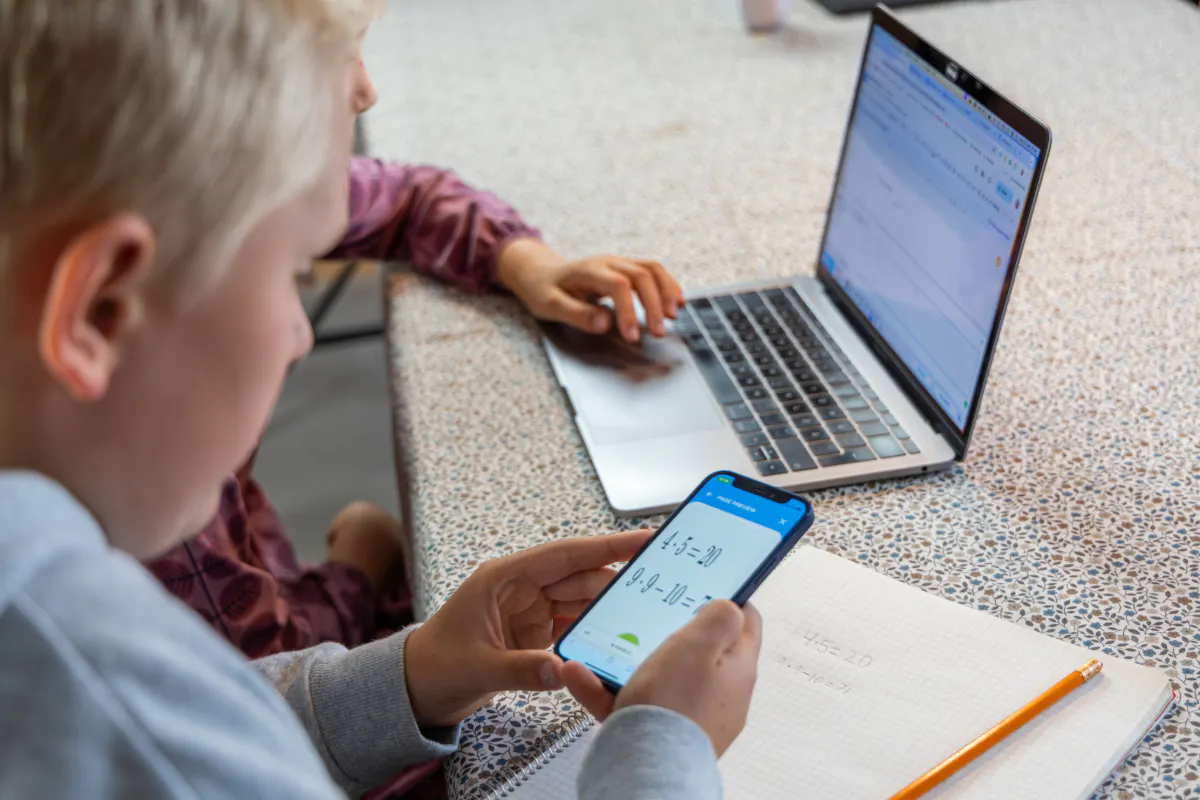
Key signs of dyscalculia educators should look for
Early support can make a real difference. Look for patterns over time rather than one-off mistakes.
- Difficulty recognising numbers or confusing similar digits
- Trouble with counting or skip counting
- Struggles to link numbers with quantities
- Ongoing errors in basic arithmetic
- Difficulty understanding maths vocabulary or word problems
- Avoidance of maths tasks or signs of anxiety
- Challenges aligning numbers in columns
These signs are not about ability. They highlight where support is needed.
Practical strategies for teaching students with dyscalculia
Effective teaching combines visual, hands-on, and structured approaches. These methods help make abstract ideas easier to understand.
1. Use concrete manipulatives and visual tools
- Hands-on tools make maths more tangible.
- Counters, blocks, or beads for counting
- Number lines for sequencing and operations
- Base-ten blocks for place value
- Fraction bars or circles for parts of a whole
- Graph paper for alignment
Virtual manipulatives can also support older students or remote learning.
2. Offer step-by-step problem solving
Break problems into clear steps.
- Model each step aloud
- Provide checklists or flowcharts
- Use colour to highlight stages
- Check understanding before moving on
Take time and repeat when needed. Progress builds with consistency.
3. Use multi-sensory techniques
Learning improves when more senses are involved.
- Movement: tracing numbers or using physical actions
- Sound: rhymes or chants for facts
- Visuals: charts, diagrams, and colour coding
- Touch: building shapes or measuring objects
Combining methods helps students remember and understand more clearly.
4. Connect maths to real life
Real-world examples make maths more meaningful.
- Shopping for money skills
- Cooking for fractions and measurement
- Sports for data and graphs
- Scheduling for time management
When students see how maths applies to life, it feels more relevant and useful.
Using technology to remove barriers in maths
Technology can help reduce effort spent on mechanics so students can focus on understanding.
We offer tools that adapt to different learning needs, helping students build skills at their own pace.
Explore more on our education page or across our solutions.
1. Interactive maths apps and dyscalculia support
Adaptive tools adjust to each student’s level.
- Game-based practice to keep engagement high
- Instant feedback to correct errors
- Built-in visual and audio support
- Progress tracking for teachers
These tools support steady learning without added pressure.
2. Speech-to-maths features and visual calculators
Tools like Equatio make problem-solving more accessible.
- Text-to-speech for reading questions aloud
- Speech-to-text for explaining answers
- Clear, easy-to-read calculators
- Digital graph paper for organisation
They help students focus on ideas rather than getting stuck on process.

Simple classroom accommodations and IEP modifications
Accommodations change how students access learning. They do not lower expectations.
1. Extra time and alternative assessments
Processing time matters.
- Extra time for tests and tasks
- Shorter testing sessions
- Option to explain answers verbally
- Access to formula sheets
These supports help measure understanding, not speed.
2. Targeted goals in the IEP for dyscalculia
A strong plan includes:
- Clear, measurable goals
- Personalised accommodations
- Access to specialist support
- Regular progress reviews
Collaboration between teachers, families, and specialists is key.
Supporting emotional well-being and confidence
Maths struggles can affect confidence and motivation.
- Normalise mistakes: show that errors are part of learning
- Celebrate progress: recognise effort and improvement
- Reduce pressure: avoid timed tasks where possible
- Build on strengths: highlight what students do well
Emotional support is just as important as academic support.
Recommended dyscalculia resources for teachers and parents
Ongoing support helps both students and educators grow.
1. Dyscalculia tutoring and training programs
- Specialist tutoring in small groups or one-to-one
- Teacher training on evidence-based strategies
- Certification in learning differences
- Parent coaching for home support
2. Online tools and maths curriculum for dyscalculia
- Downloadable lesson plans and activities
- Printable visual aids and manipulatives
- Structured, multi-sensory maths programmes
- Research guides and strategy resources
- Online communities for support
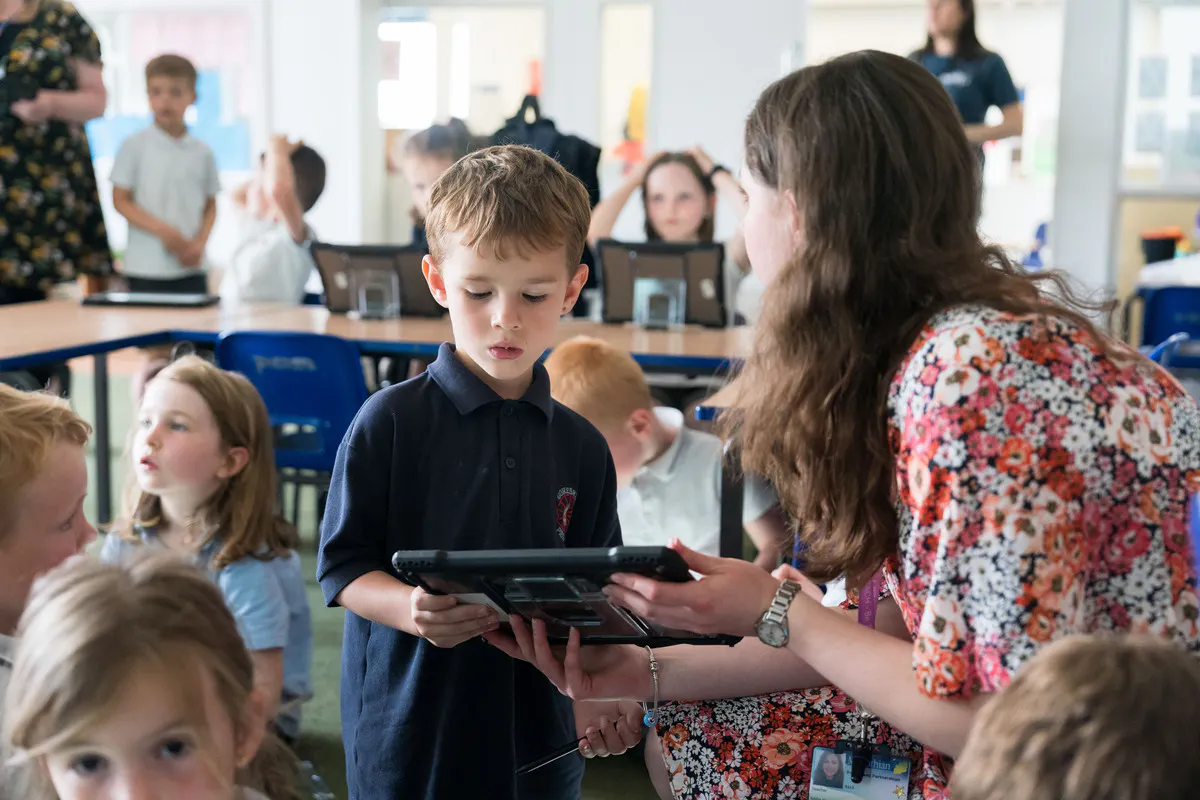
Empowering students with accessible maths tools
With the right strategies, accommodations, and tools, students with dyscalculia can build skills and confidence.
A strengths-based approach helps shift the focus from barriers to progress.
Technology solutions like Equatio are designed to remove barriers and support every learner’s path forward.
Learn more about our products.