Explore more on neuroinclusive recruitment below
Or return to our main guide on neurodiversity at work to learn how different neurotypes and practices come together to create a neuroinclusive culture.

What is neuroinclusive recruitment?
Nueroinclusive recruitment is a way of recruiting candidates that recognises, understands and values differences in every part of the process. From connecting with candidates, to interviewing, hiring and onboarding. It’s accessible to all people, flexible to different needs, and free from bias.
Neuroinclusion helps us to open up our companies, and attract candidates from all walks of life. This gives us access to a much wider talent pool, and that’s important in our increasingly neurodiverse world. It's also great for business. We all think differently, and with a neurodiverse workforce we can open new opportunities.
Neuroinclusive recruitment practices and processes
We all want to feel like we belong in the workplace. In achieving a sense of belonging, we first need to feel accepted and included by others. As an employer, it's important to be neuroinclusive at every stage of an employee’s journey. That means we need to embrace differences from the start.
Approximately around 20% of the global population is considered neurodivergent. This includes conditions such as Dyslexia, Autism and ADHD. With an accessible and neuroinclusive recruitment process in place, we can promote equal opportunities for everyone.
These employees can are often be empathetic, tenacious and resilient. It can bring out-of-the-box thinking, creative solutions and more unique strengths. Neuroinclusive recruitment allows us to benefit from a wealth of talent that’s often untapped.

Companies that embrace neuroinclusion report:
55%
positive impact on culture
45%
enhanced innovation
40%
improved employee retention

Neuroinclusive recruitment guide
Creating a supportive environment begins long before day one. Discover practical steps to attract, hire, and retain neurodivergent talent in our latest resource. Learn from organisations like IBM, Sainsbury’s, and The Valuable 500.
Tips for a neuroinclusive employee onboarding process
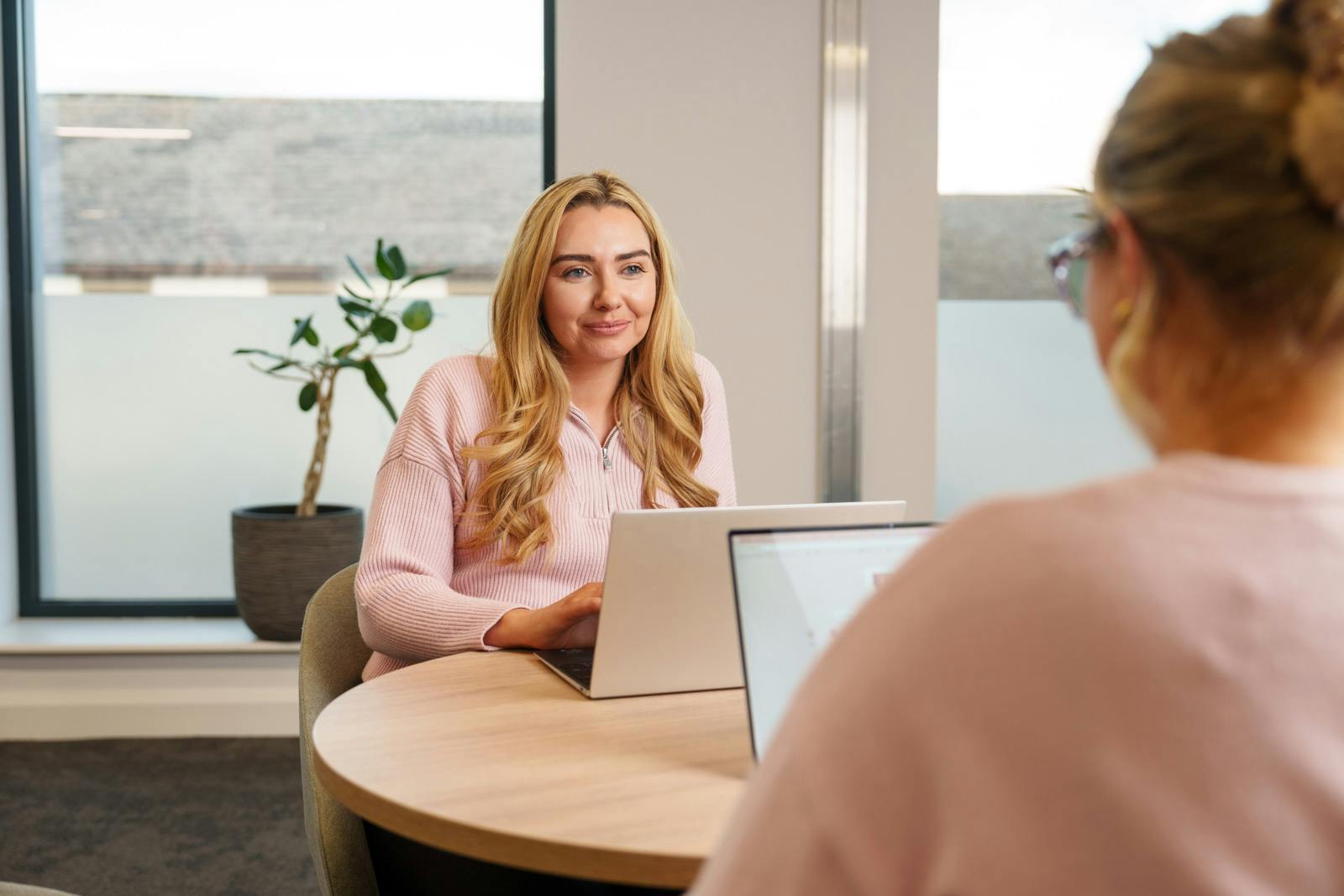
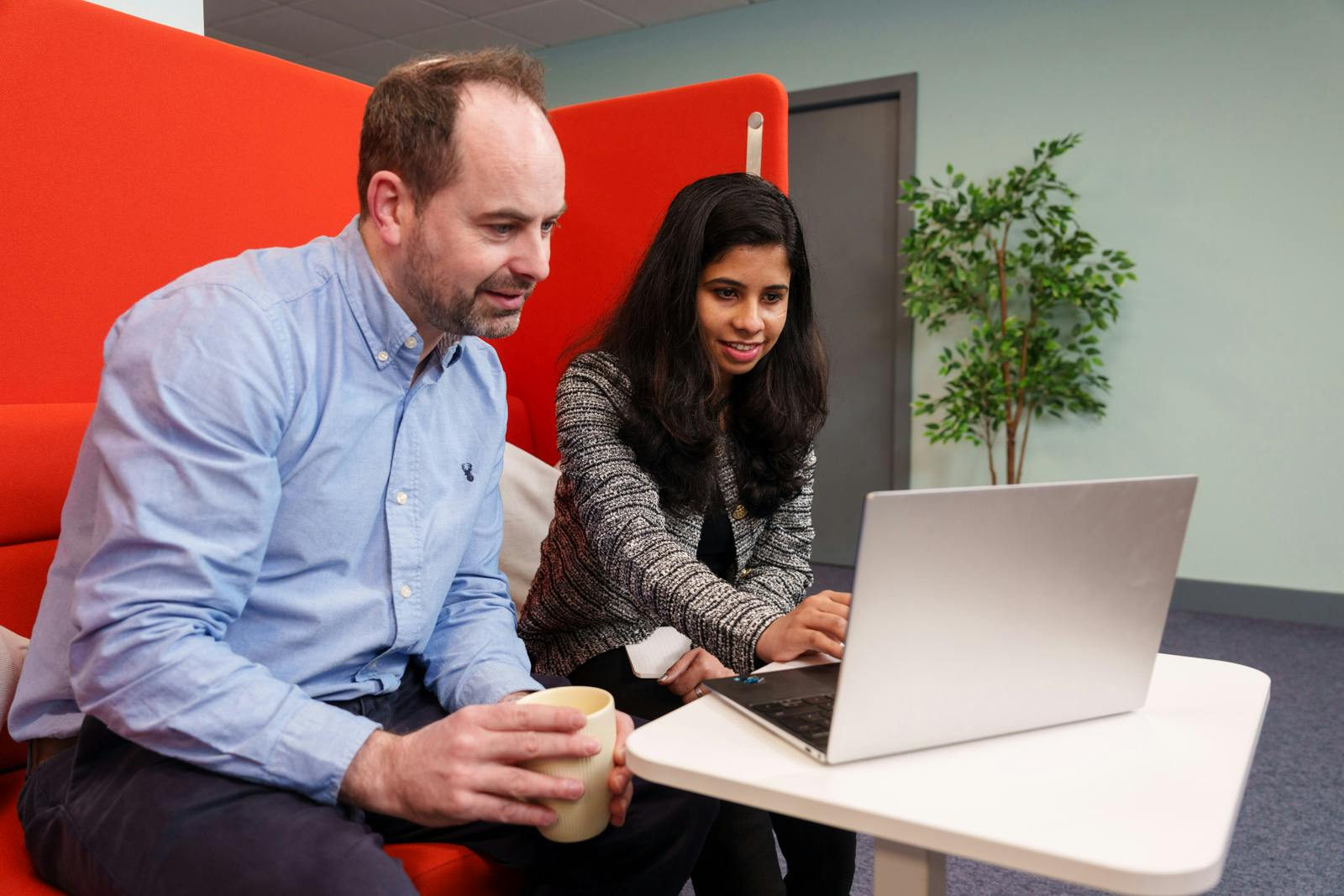
Starting a new job can be overwhelming for anyone, but for neurodivergent employees, it may come with added uncertainty about expectations, communication styles, and accessibility. A neuroinclusive onboarding process helps reduce this anxiety and sets everyone up for success from day one.




Nurturing neurodiverse talent in the workplace
80% of all disabilities are invisible. 76% of people with a disability or neurodiverse condition do not share this at work. That’s why, alongside neuroinclusive recruitment and onboarding, it’s also important for us to build an inclusive company culture. This means a place that embraces differences, makes sure employees feel heard, and helps the entire workforce to feel connected.

Neuroinclusive language
Some people prefer person-first language, such as “a person with autism.” Other people prefer identity-first language, such as “an autistic person.” Instead of making assumptions about how you should refer to people, ask each person about their preferences.

Listen actively
Neurodiversity is not one-size-fits-all. Provide plenty of opportunities for neurodivergent people to express their needs. Listen to these team members and show you respect their perspectives by acting on ways to improve their work experiences.

Create a culture of accountability
We should always look for ways to better support neurodiverse talent. Diversity and inclusion are ongoing efforts that take time and a continual willingness to change.
Assistive technology for neuroinclusive recruitment and onboarding
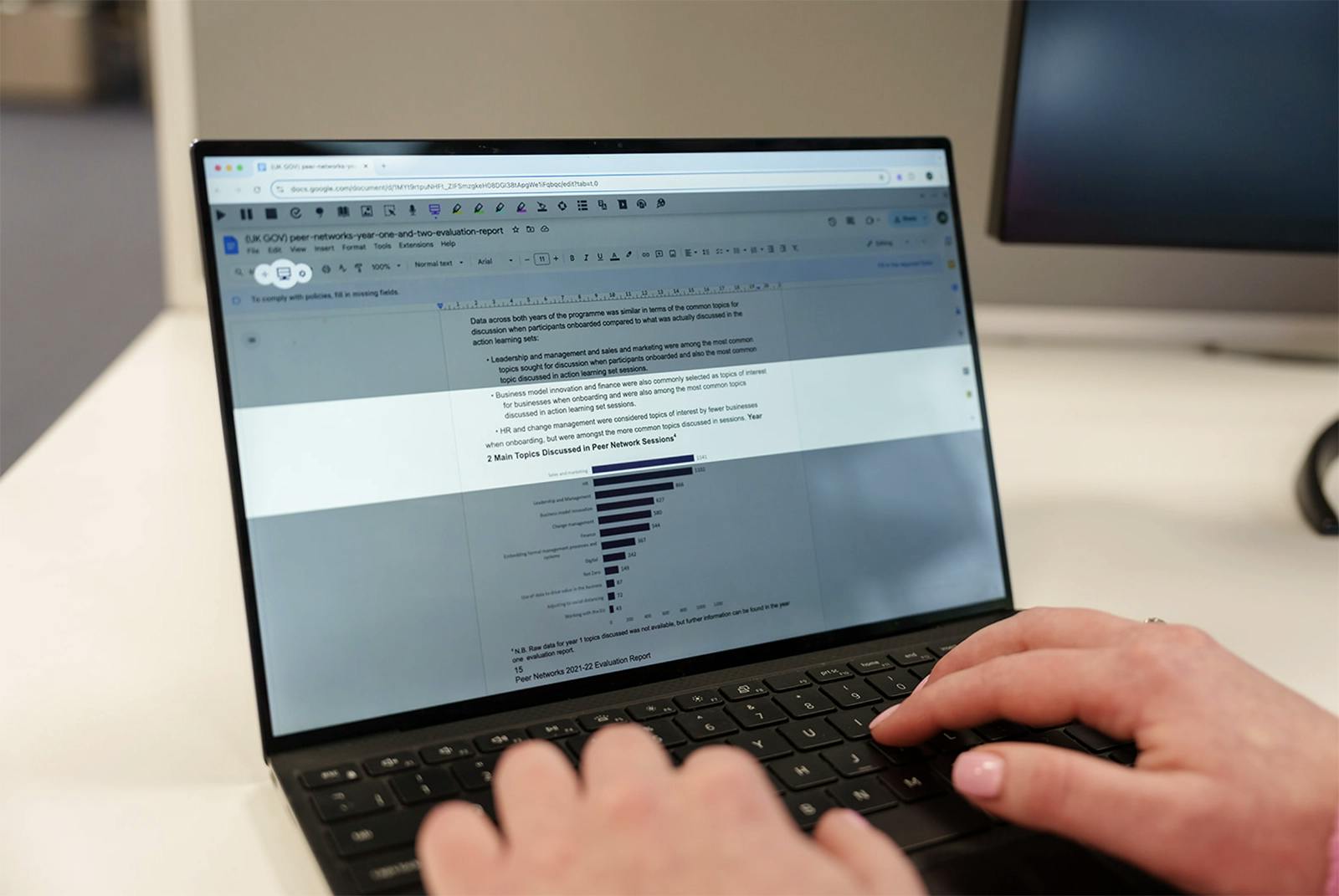
Assistive technology like Read&Write for Work helps every candidate and new hire show their strengths. By offering it from the interview stage, organisations remove barriers and create a fairer experience for all.
How Read&Write supports neuroinclusive hiring and onboarding:
- Level the playing field from the start: Let candidates use tools to listen, dictate or highlight so they can process and share information in their own way.
- Make assessments accessible: Use features like Text-to-Speech and Screen Masking to reduce visual stress and improve focus during digital tasks.
- Support clear communication: Tools such as Dictation and Voice Notes help people express ideas naturally and confidently.
- Build confidence from day one: During onboarding, Highlights and Vocabulary Lists help new employees absorb and retain key information.
- Embed neuroinclusion at every stage: Offering assistive technology to all candidates and employees shows that accessibility and choice are part of how your organisation works.
Other topics on neurodiversity in the workplace
Support employees with dyslexia
Learn more →
Neuroinclusive culture and values
Learn more →
Employee Resource Groups
Read more →
Universal Design for work
Explore guide →