What this looks like in practice
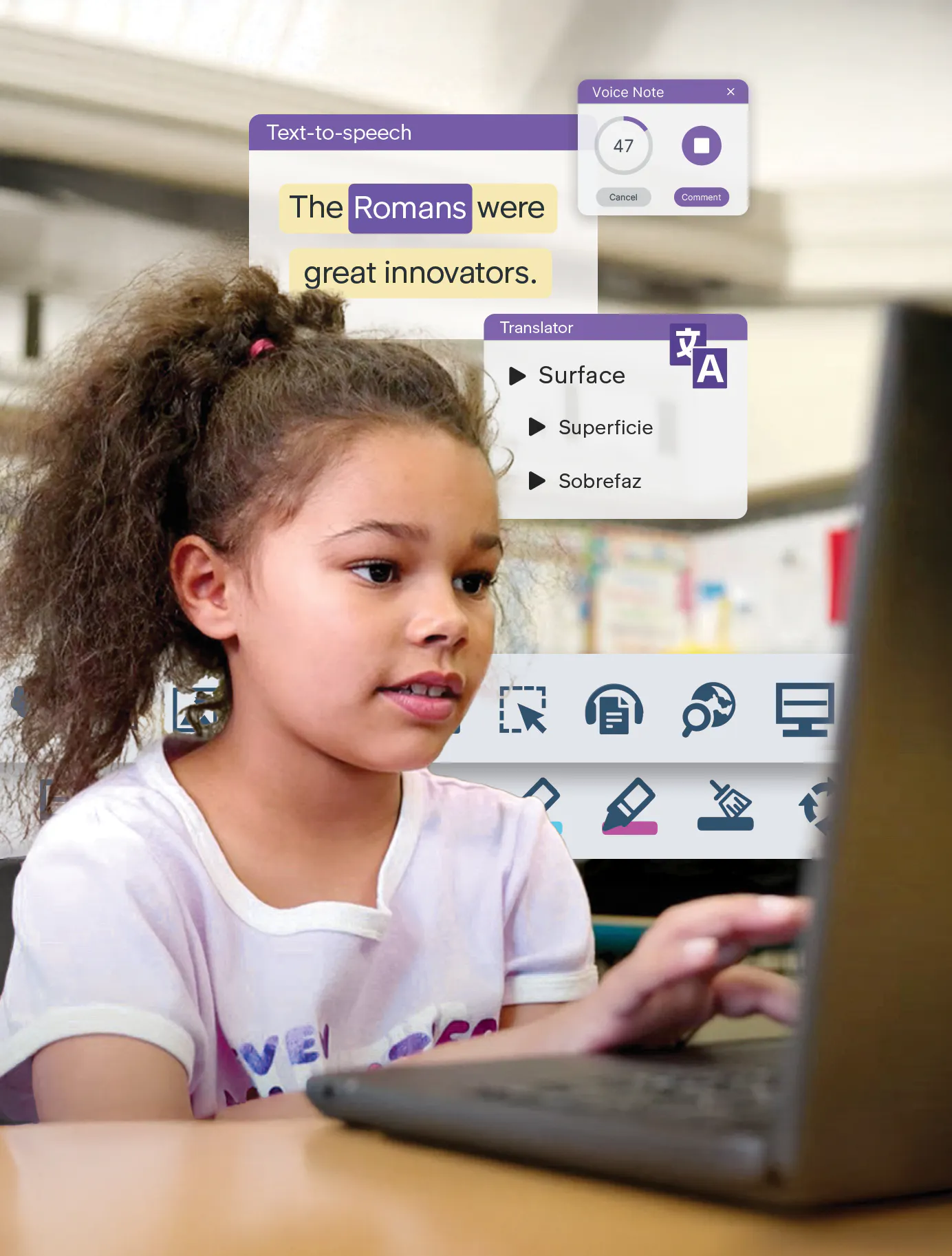
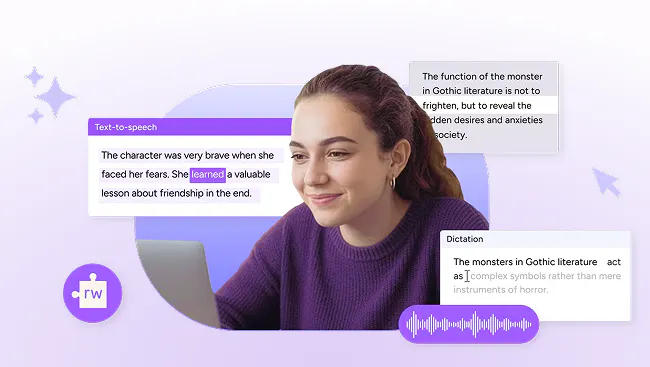
In one classroom, a student with dyslexia uses Text-to-Speech to access the same reading material as their peers.
In another, a student uses Speech-to-Text to complete written work independently and participate more confidently in class activities.
Elsewhere, a teacher shares digital assignments with built-in reading and vocabulary support, helping more students access challenging content without extra adaptations.
Across the school, support becomes part of everyday learning. Teachers spend less time creating separate resources, and students are better able to engage, participate, and show what they know.