


From internal insight to organisational action
As a people-first organisation, Ingeus' mission is to help people find jobs, improve skills and support their health and wellbeing. They serve more than 300,000 people annually with a deep commitment to enabling better lives.
Their neuroinclusion journey began five years ago, sparked by a desire to better understand and support their staff of over 3,000 employees across the UK.
A company-wide well-being check-in revealed that 12% of their workforce identified as having a disability. In this, leadership recognised a critical truth:
If we weren’t actively creating environments that support neurodivergent colleagues, we were unintentionally excluding people.

From that point, neuroinclusion was no longer treated as a niche initiative. It became a guiding lens across internal policies and external service delivery. By listening to employees’ lived experiences, Ingeus shaped a strategy that prioritised awareness, empathy, and proactive support.
Lived experience as a catalyst for culture change
Ingeus began by focusing on education and empathy. They launched awareness sessions for managers and employees, helping teams better understand what neurodivergence means in practice.
One of the most impactful actions involved amplifying lived experience stories across internal channels and employee resource groups, demonstrating the power of real stories in creating cultural momentum.
Alongside awareness-building, Ingeus introduced recruitment changes that levelled the playing field - such as offering interview questions in advance to support candidates who need extra time to process and prepare.
They also revised internal systems to promote flexibility in working arrangements, recognising that individual needs vary by role, condition, and context.
Embedding neuroinclusive technology, for all
A major milestone in Ingeus’ journey was the rollout of neuroinclusive technology from Everway. Neuroinclusive technologies are designed with neurodivergent users in mind - giving them tools that adapt to how they think, work, and communicate best.
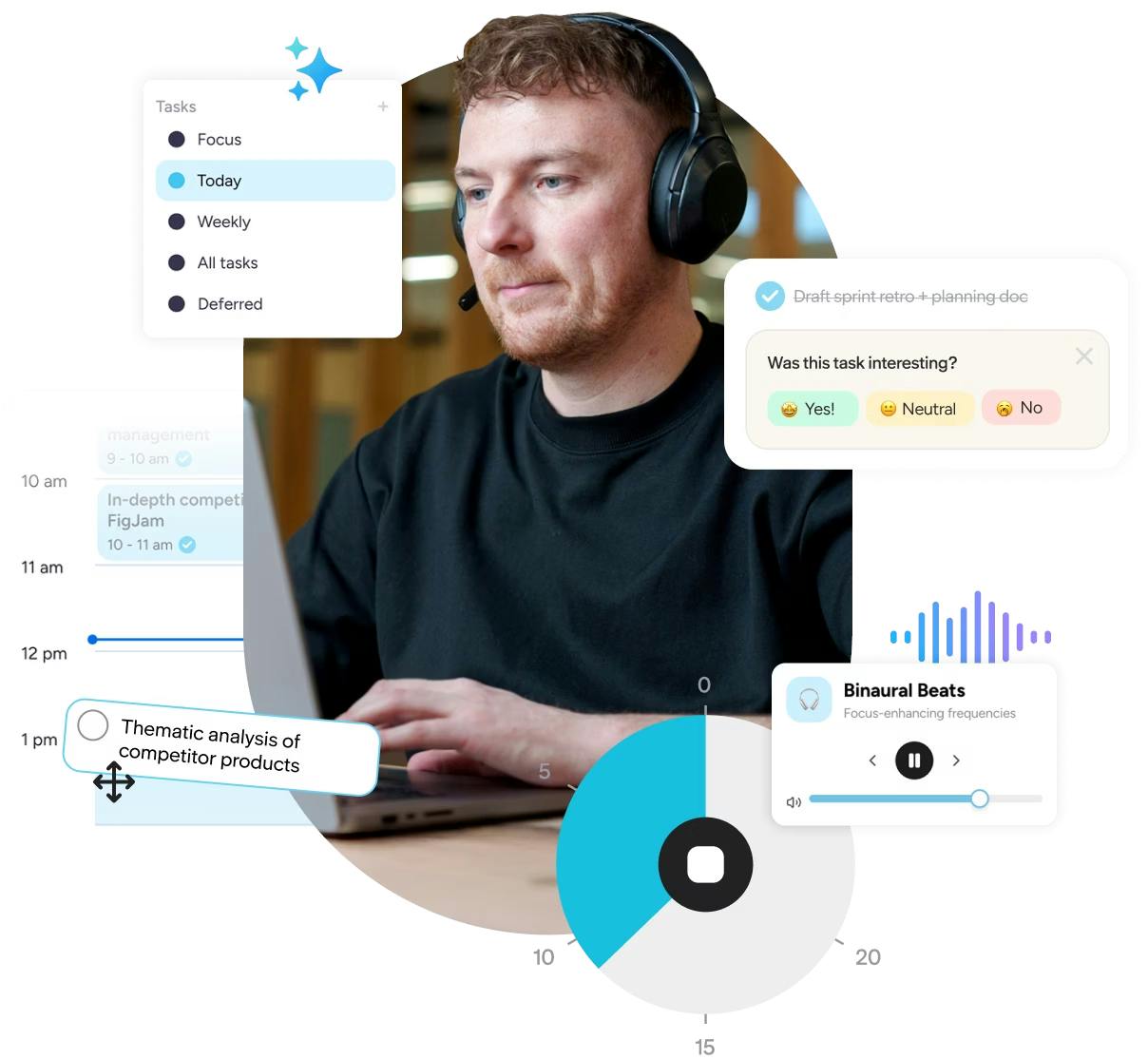
Everway's technology removes common barriers to reading, writing, and focus by providing flexible, personalised support that aligns with the diverse ways people process and engage with work.
Ingeus are ensuring this technology reaches every employee by making it available to the full workforce from day one - no diagnosis, disclosure, or approval process required.
“It’s very difficult for someone with a disability or long-term health condition to repeatedly put their hand up to say ‘can I have this help?’ - so we put the tools in place from day one.”
This inclusive approach ensures that assistive technology is a universal resource, not a reactive fix. As Melisa notes: “We were crucially building all of these tools and the assistive technology into our infrastructure - supporting that with training, guidance and encouraging everyone to use the tools proactively.”
Game changing support for service users
Ingeus also took a revolutionary step toward greater neuroinclusion by extending neuroinclusive technology beyond their employees. They now provide neuroinclusive technology, Read&Write, directly to their service users.
Part of the Everway for Work suite, Read&Write offers support for fluency, comprehension, writing, and translation. Neurodivergent individuals taking part in Ingeus programmes now have tools that help them understand information, communicate more clearly, and build confidence. This enables them to participate more independently and fully in the services designed to support them.
This decision was driven by a recognition of the complex barriers many clients face, including undiagnosed neurodivergence. Rather than expecting people to adapt to existing systems, Ingeus asked how their services could adapt to better meet individual needs.
To strengthen this commitment, they introduced neurodiversity awareness training for frontline staff, helping them recognise traits, adjust communication styles, and provide more personalised support. These efforts led to tangible service improvements such as clearer communication, flexible scheduling, and more empathetic engagement.
By placing neuroinclusion directly at the point of service, Ingeus has not only enhanced outcomes for clients but also reinforced the human connection at the heart of their mission.
"Rather than expecting people to adapt to us, we're asking: how can we adapt to you?”
Lessons for building a neuroinclusive culture
Drawing from Ingeus’ experience, here are 5 key principles for organisations looking to embed neuroinclusion:
- Start with listening
Build your approach around the lived experiences of your employees and customers. It’s the fastest way to understand what matters. - Don't wait for disclosure
Put assistive tools like Everway for Work in place proactively. This removes stigma and simplifies access for all. - Build neuroinclusion into infrastructure
From recruitment to onboarding, ensure systems and supports are designed with neurodivergence in mind. - Extend neuroinclusion to customers
Consider how your services are experienced by neurodivergent individuals - and explore opportunities to make them more accessible and supportive. - Treat neuroinclusion as a journey
“Inclusion isn’t a checklist - it’s about learning, listening and adjusting all the time.” - Melisa Cunningham
Hear more from Ingeus
In a recent webinar Melisa shared more about how Ingeus embeds neuroinclusion into both their employee experience and the services they offer the public.
Watch the on-demand webinar and also gain a three-part framework from Everway to help you take action, wherever you are in your journey.