With more students qualifying for exams access arrangements, pressure is growing on schools to provide consistent support at scale.
In this blog, SENCO Abigail Hawkins (founder of SENsible SENCO and SENCO Solutions) shares her top benefits of using computer readers versus human readers — and why schools should make the switch to go digital.
What is a computer reader?
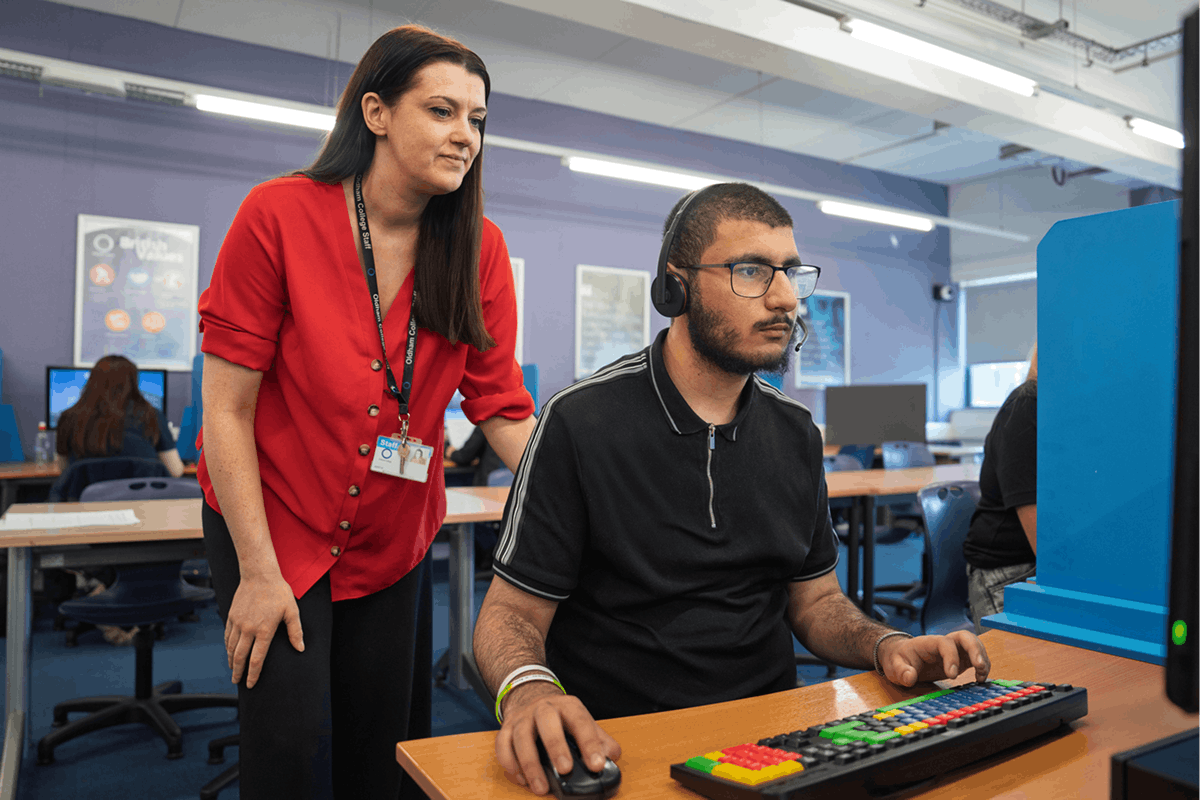
Students with a disability, learning difficulty or English as an additional language can be eligible for support from a reader in exams. Traditionally, a reader is a person who sits alongside the student and provides an accurate reading of the exam text. For example, a student may experience reading difficulties as a result of dyslexia or visual impairment. A reader helps that student to access the exam without barriers.
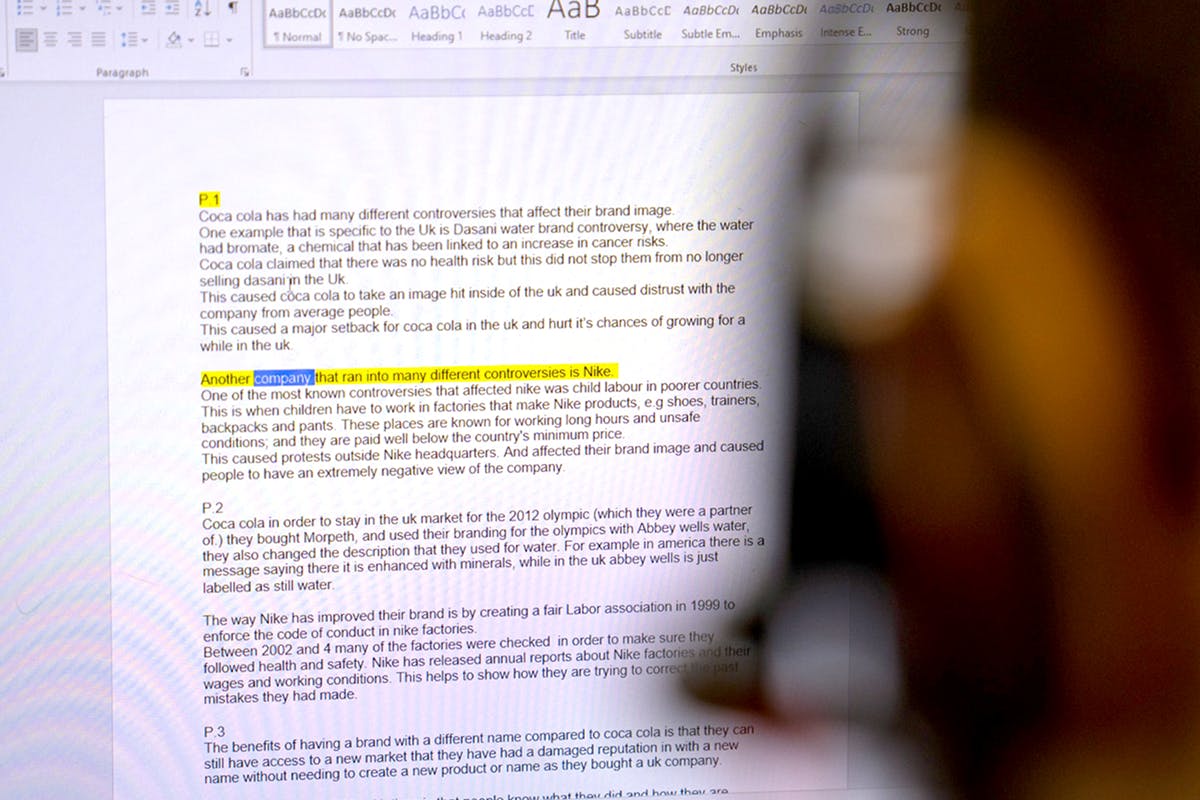
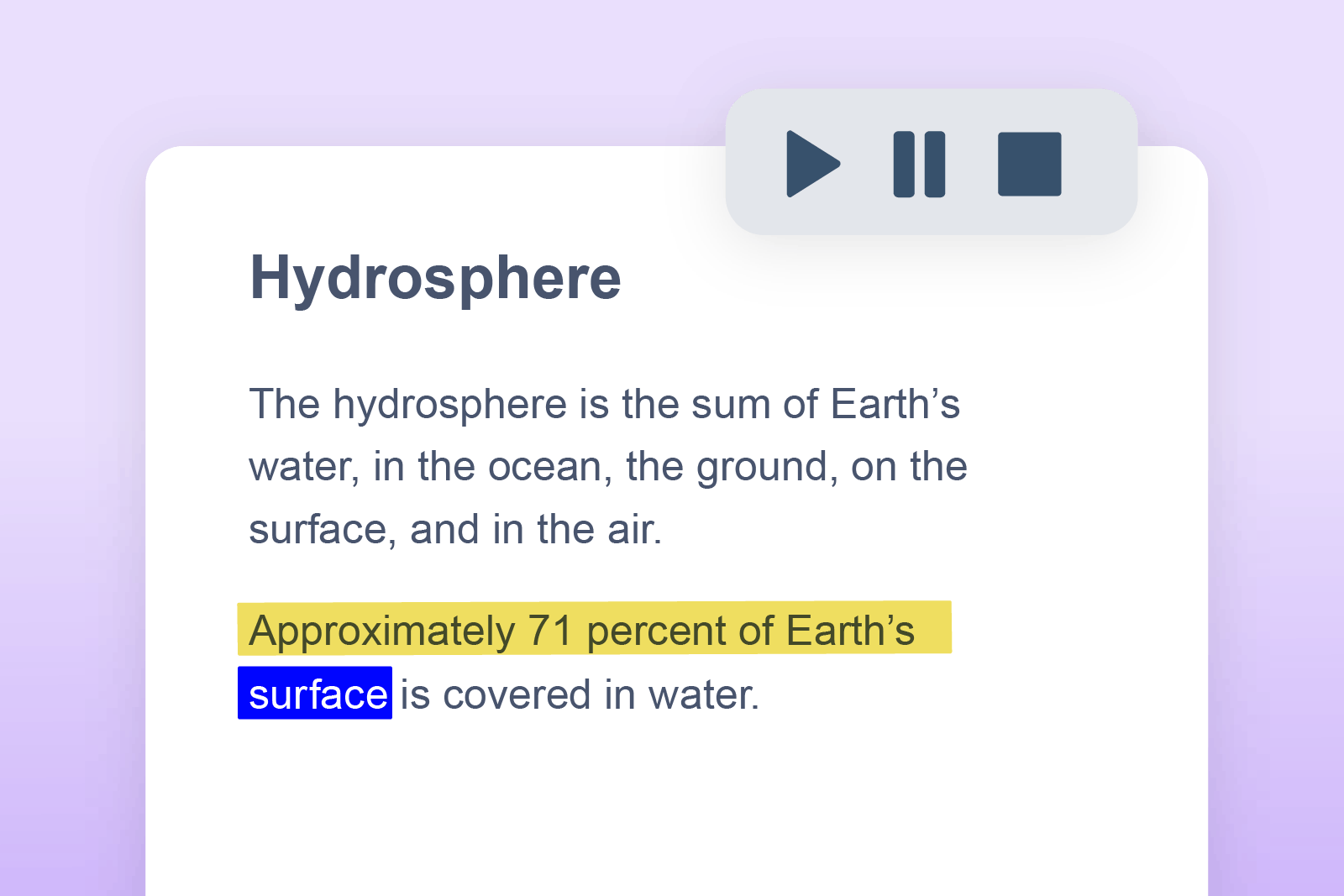
A computer reader is a digital alternative to a human reader. It converts written text into spoken words. Students can simply highlight a piece of text (or hover their mouse over it) and the software will read the text aloud.
In tools like Read&Write, this is fully customisable. Students can select from a wide range of voices, and control the pace of the reading to their preference. Dual-highlighting means that each word is stressed as it is read out, making it easy to follow along. With exam mode enabled, students only have access to JCQ-compliant features.
Also known as screen readers or text-to-speech software, computer readers allow students to work independently on a school device. For this reason, they are becoming more common in exam access arrangements.
The benefits of computer readers for exams
Why might a school opt to go with digital exam support? In this video, SENCO Abigail Hawkins joins us to share her top 3 benefits of switching to computer readers.
Student independence
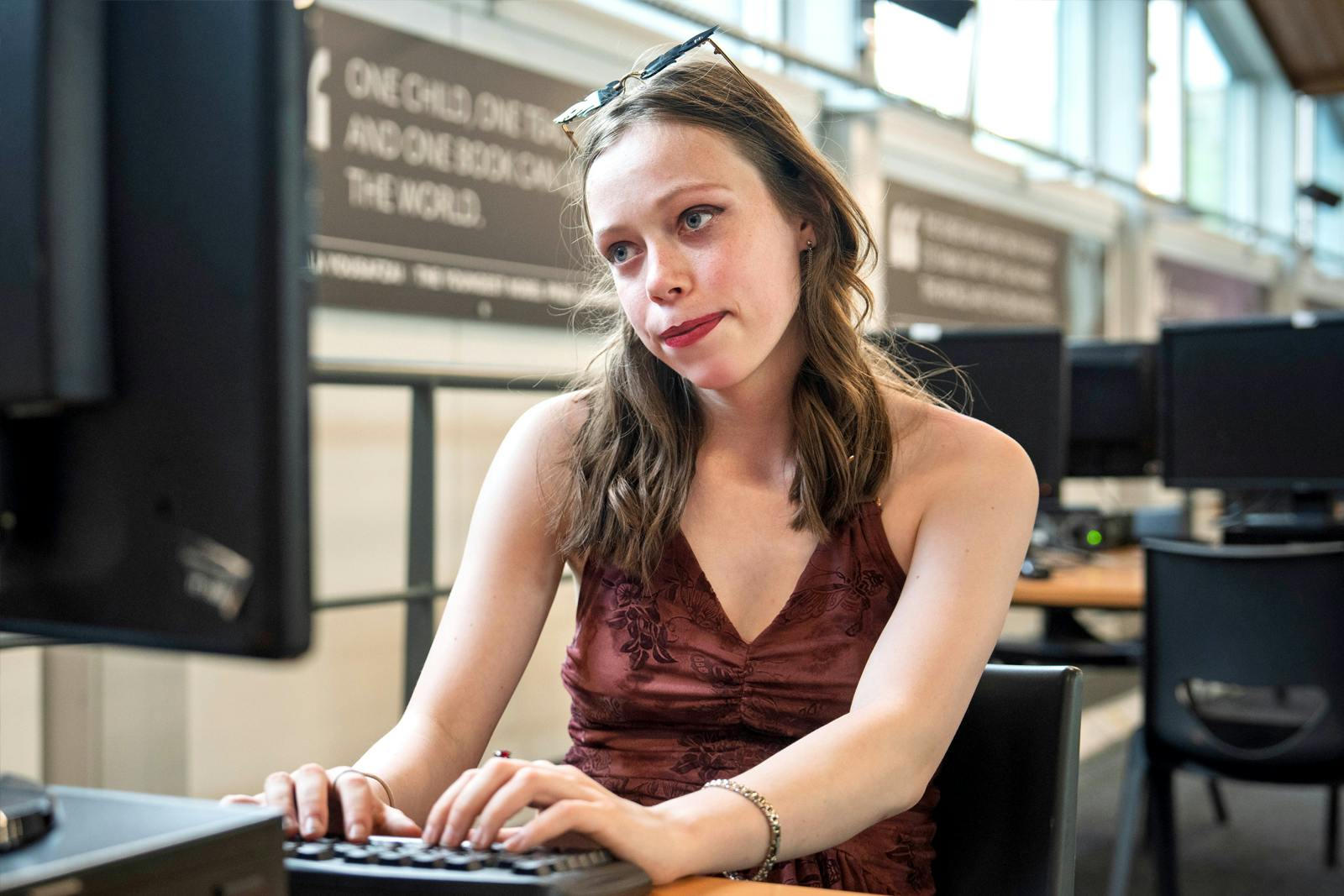
There won’t always be someone there to read or scribe for them. With a computer reader, students can develop self-reliance and work without assistance.

Staff efficiency
During GCSEs students have 20+ hours of exam time that needs to be covered by a human reader or scribe. Using technology frees up staff for classroom teaching.

Cost savings
Covering 20 hours of exams with a human reader or scribe adds up over time. One school saved £3,000 in one year just by switching to a computer reader.

Why should schools go digital?
More and more schools are making the switch from human to digital readers. Digital readers can help candidates transcribe their thoughts with more efficiency and independence than is possible with a human reader.
Besides saving time and resources, there are other benefits to switching to computer readers.
- Scalability and logistics
- Consistency and fairness
- Supporting a 'normal way of working'
- Tailored support for diverse needs
Scalability and logistics
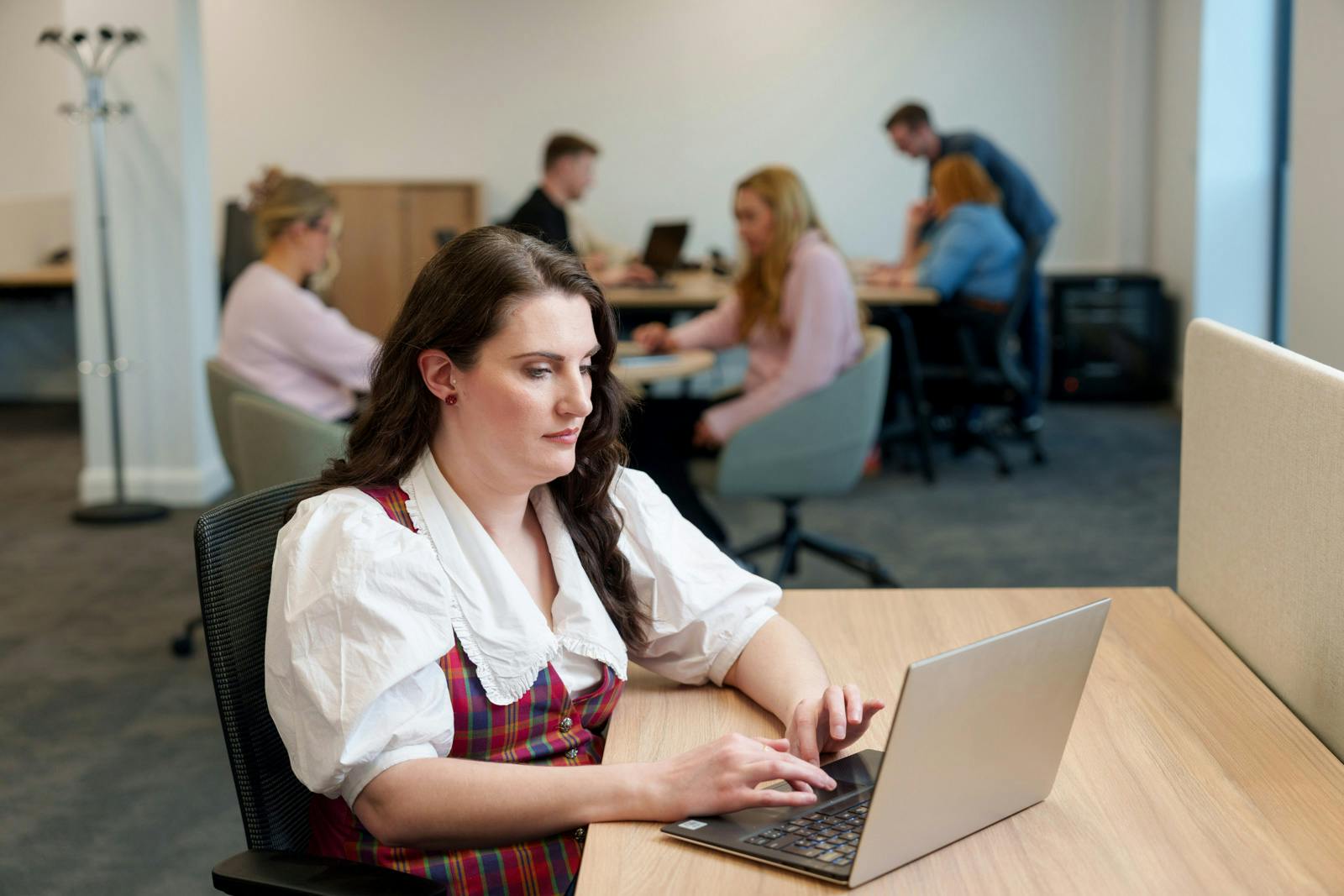
During peak exam periods, a school may have many students requiring support from a reader or scribe. Digital solutions can support large cohorts simultaneously, saving costs and reducing the logistical challenges of scheduling specialist staff and separate rooms.
Consistency and fairness
To ensure fairness, all students requiring an exam reader should have access to the same quality of support. Computer readers provide that consistency, removing the risk of human error (for example, misreading or accidental prompting).
Supporting a 'normal way of working'
In applications for a student's exam access arrangements, SENCos must evidence that the use of a computer/human reader is part of a student's 'normal way of working.' This means that they require this support in the classroom as well as the exam room.
With a computer reader like Read&Write, students gain year-round experience using a tool they're familiar with come exam season. Gaining confidence using a computer reader independently also builds transferable skills for further education and workplace settings.
Tailored support for diverse needs
Students can pause, rewind and replay sections of text as needed, without feeling self-conscious. The voice and pace can be adjusted to suit individual preferences and specific learning differences (dyslexia, processing difficulties, etc).
The impact on students
Switching from human readers to computer readers in exams can significantly improve students' independence, confidence and ability to show their knowledge. Often, students feel less self-conscious and more in-control when using text-to-speech technology, as they can work privately and at their own pace.
Not only do digital support tools remove access barriers during assessment, they also reduce fatigue and the frustration (and distraction) of relying on someone else's assistance.
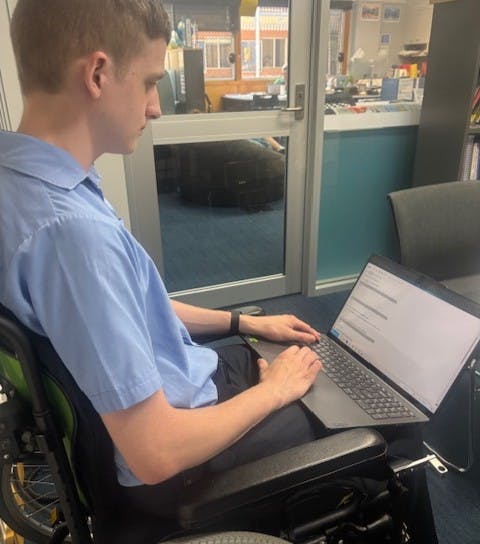
Everway tools have given Hamish back energy that would have been spent on trying to write his answers. He now is free to think about what the answers are and to focus on what really matters.”
Chantal McAllister, Head of Learning Enrichment, Pacific Lutheran College