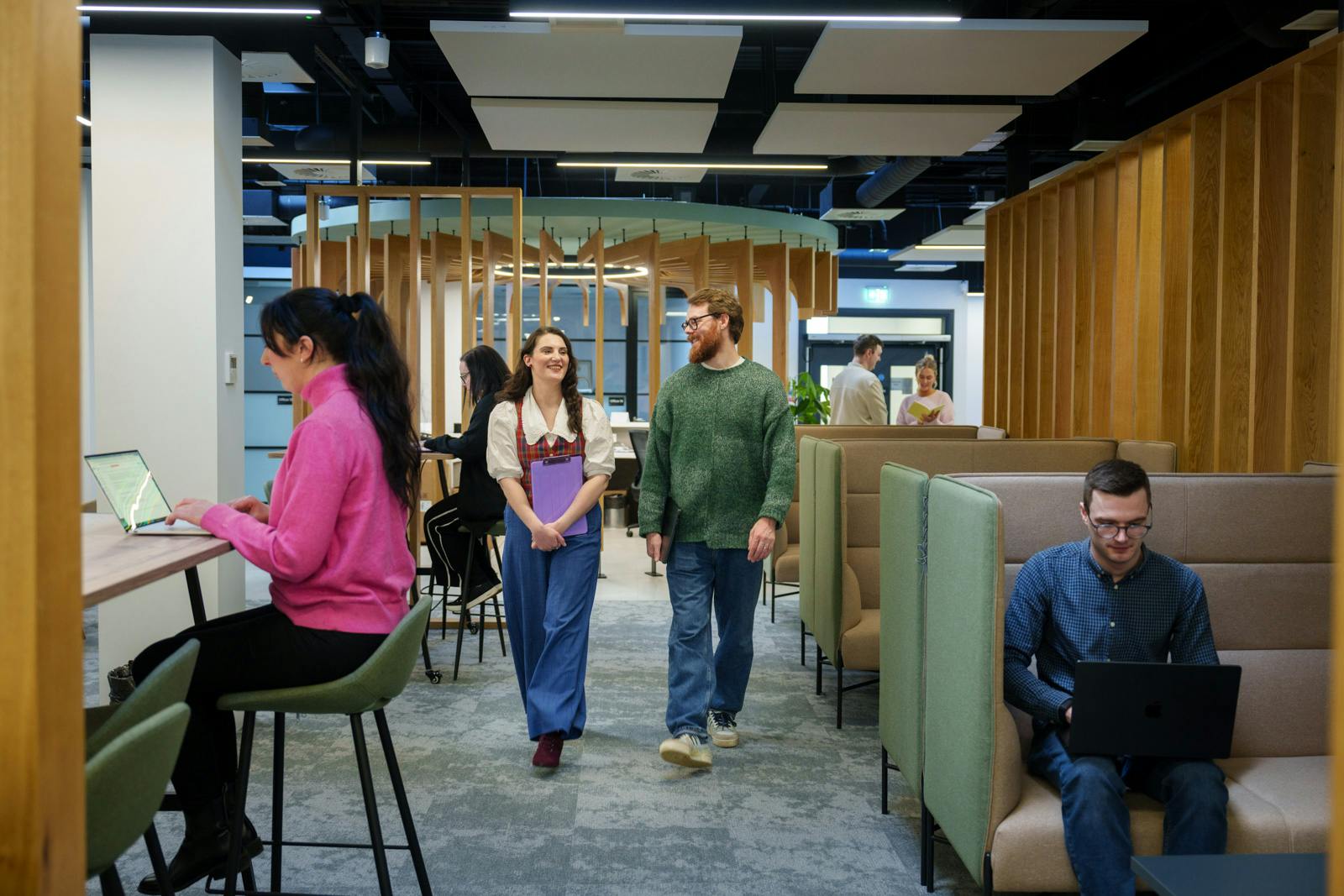
Every brain works differently. Some people think visually. Others process information through sound, movement or repetition. Some thrive in busy environments, while others need quiet spaces to focus.
Neuroinclusion recognises these differences and designs environments where everyone can succeed.
For too long, schools, workplaces and public spaces have been built around one idea of what is "normal". That leaves many neurodivergent people facing unnecessary barriers every day.
Creating neuroinclusive environments changes that. It removes obstacles before they become problems and helps people contribute in ways that work for them.
What is neuroinclusion?
Neuroinclusion means creating environments where people with different ways of thinking, learning and communicating can participate fully without having to hide or change how their brains work.
Instead of waiting for someone to ask for support, neuroinclusive design builds flexibility into everyday systems from the start.
That means neuroinclusion is:
- proactive, because it removes barriers before they affect people
- systemic, because it changes environments rather than expecting individuals to adapt
- equitable, because fairness means giving people what they need to succeed, not treating everyone exactly the same
In practice, neuroinclusion looks different depending on the setting.
In education, it might mean providing learning materials in different formats, offering different ways for students to demonstrate understanding, and creating classrooms that reduce unnecessary sensory distractions.
At work, it could include flexible communication methods, quieter workspaces, clear meeting agendas shared in advance, and measuring success by outcomes instead of how someone prefers to work.
Across everyday life, neuroinclusive design can make digital services, public spaces and community environments easier to use for people with different sensory, communication and processing needs.
Neuroinclusion vs. accessibility
Neuroinclusion is closely related to accessibility, but the two aren't the same thing. Accessibility often responds to a specific need once it's identified, like providing a screen reader for someone who requests one. Neuroinclusion goes a step further by designing environments so that flexibility exists from the start, before anyone needs to ask. In practice, the two work best together: accessible tools give people the means to participate, while neuroinclusive design reduces how often those tools are even needed.
Neurodiversity, neurodivergence and neuroinclusive explained
These terms are often used together, but they mean different things.
Neurodiversity describes the natural variation in how human brains work. Just as biodiversity recognises differences in nature, neurodiversity recognises that different ways of thinking are a normal part of being human.
Neurodivergent refers to people whose brains work differently from what society considers typical. This includes autistic people and many people with ADHD, dyslexia, dyspraxia, dyscalculia and other cognitive differences.
Neuroinclusive describes environments, systems or practices that are intentionally designed so people with different neurotypes can participate and thrive. For example, a workplace that shares meeting notes in advance, offers quiet working spaces and allows flexible communication is taking a neuroinclusive approach.
You may also hear the term neurotypical. This describes people whose thinking and behaviour generally match what society expects or considers standard. Neurotypical is simply one way of experiencing the world. It is not the goal that everyone else should work towards.
Why neuroinclusion matters
Neuroinclusion is about creating fairer opportunities for people to learn, work and contribute.
Many barriers experienced by neurodivergent people are created by environments, not by the individual.
When organisations remove those barriers, people are more likely to thrive.
The benefits are clear.
For individuals
People can participate without masking their natural ways of thinking or communicating. This supports confidence, wellbeing and a stronger sense of belonging.
For education
Flexible teaching approaches help students access learning in ways that work for them. Many of these approaches also improve learning for the wider class.
For workplaces
Neuroinclusive workplaces attract a wider range of talent, improve employee experience and often see stronger collaboration, innovation and retention.
Many countries also require employers and education providers to remove unnecessary barriers for disabled people, making neurodiversity and inclusion an important part of creating accessible environments.

What makes an environment neuroinclusive?
One widely recognised framework, published in Frontiers in Psychology, identifies principles that can help create more neuroinclusive environments. While the framework was developed for research, its guidance is equally valuable in education, workplaces and other settings.
- Respect different ways of thinking. Direct communication, different learning styles and alternative problem-solving approaches are all valid.
- Include neurodivergent voices when designing policies, products and services. The people most affected should help shape the solutions.
- Offer flexibility wherever possible. Different communication options, varied learning materials and asynchronous participation give more people opportunities to succeed.
- Reduce sensory and structural barriers by considering lighting, noise, workspace design and how information is presented.
- Use clear, inclusive language. Simple communication helps everyone understand expectations.
- Keep learning. Neuroinclusion isn't something organisations achieve once. It develops through listening, measuring progress and making improvements over time.
The benefits of neurodiversity inclusion
Organisations that build neuroinclusive workplaces and learning environments often see improvements across several areas.
Performance improves because diverse thinking strengthens creativity, innovation and problem solving. Engagement increases when people feel safe bringing their whole selves to work or education. Retention improves because employees and students are more likely to stay where they feel understood and supported.
Learning outcomes also improve. Flexible teaching methods, accessible resources and multiple ways to engage with information benefit every learner, not only those who are neurodivergent.
This reflects an important idea in universal design. Features created to support some people often make experiences better for everyone.
Common misconceptions about neuroinclusion
"Neuroinclusion only benefits neurodivergent people."
Clear communication, flexible working and accessible design make life easier for everyone, regardless of neurotype.
"It lowers standards."
Neuroinclusion removes unnecessary barriers while keeping expectations high. Success is measured by what people achieve, not whether they all work in the same way.
"Awareness training is enough."
Training is valuable, but lasting change comes from updating policies, environments and everyday practices.
"Everyone should be treated the same."
Equal treatment isn't always fair treatment. Different people need different support to achieve equal opportunities.
"People need a diagnosis before adjustments can be made."
Many neuroinclusive changes improve experiences for everyone, whether someone has a formal diagnosis or not.
From awareness to action
Creating neuroinclusive environments is an ongoing process.
The most successful organisations listen to feedback, review their practices and measure progress over time. They look at participation, engagement, retention and wellbeing alongside conversations with the people who use their services.
Technology also has an important role to play.
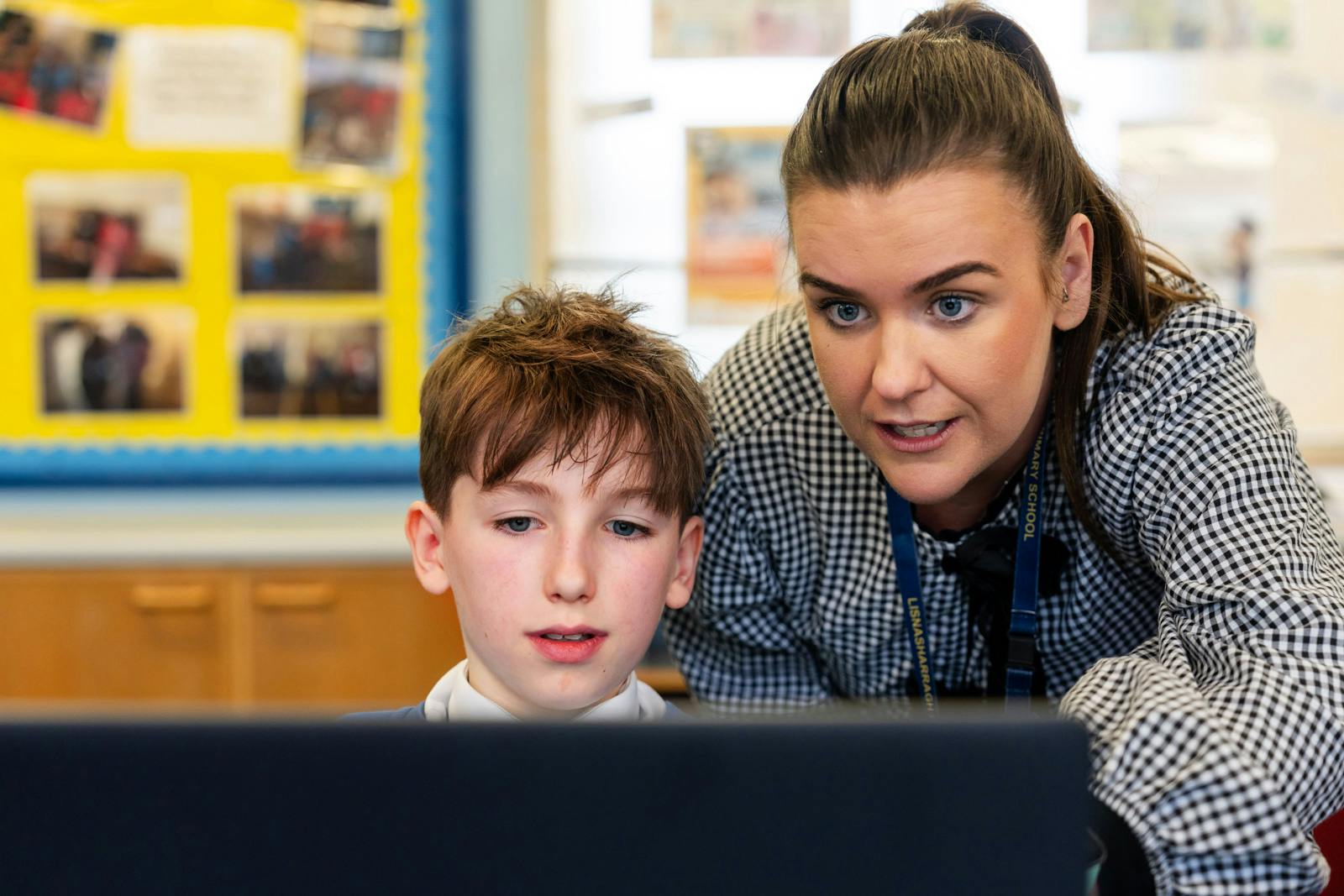
The best neuroinclusive technology adapts to different people instead of expecting everyone to adapt to the technology. Features such as multiple ways to access information, personalised settings, clear language and flexible ways of working help reduce barriers and support independence.
And that's the approach we believe in. We create technology that adapts to how people learn, work and communicate because every mind is different.
When we design for different ways of thinking, we create environments where more people can contribute, succeed and reach their potential.
Because when the world works for neurodivergent people, it works better for everyone.
Learn more about how Everway supports neuroinclusive workplaces, education and assistive technology through our solutions for schools, employers and individuals.
Frequently asked questions about neuroinclusion
What legal standards guide neuroinclusive workplaces?
Many neurodivergent conditions are covered by disability legislation, meaning employers have a responsibility to remove unnecessary barriers and make reasonable adjustments where required. The exact requirements depend on the country or region.
What technology supports neuroinclusive learning and work?
Assistive technology such as text-to-speech, speech recognition, reading and writing support, personalised display settings and organisation tools can help people access information in ways that work for them.
Do people need a formal diagnosis before adjustments can be made?
No. Many neuroinclusive practices, such as flexible communication, accessible content and sensory-aware environments, benefit everyone. Organisations don't need to wait for formal disclosure before creating more inclusive systems.