Explore more on dyslexia below
Or return to our main guide on neurodiversity at work to learn how different neurotypes and practices come together to create a neuroinclusive culture.

What is dyslexia and how does it affect work?
Dyslexia is a difference in how the brain processes written and spoken language. It can affect reading, spelling, writing, and working memory. Around 10% of the population have traits of dyslexia, so it’s likely that every organisation already employs dyslexic thinkers.
At work, employees with dyslexia may find it harder to read long documents, organise information, or proofread. But they often bring strong verbal communication, problem-solving, and visual thinking skills. When workplaces understand both the challenges and the strengths, everyone benefits.
The competitive advantages of dyslexic thinkers in business
Dyslexic minds often see connections that others miss. They can turn complex ideas into clear messages, think in 3D, and bring fresh, creative perspectives to projects and strategy. Here are some of the benefits of dyslexia in the workplace:

How leading organisations support neurodivergent employees
Experts from Hearst, Bayer share how they’ve launched standout neurodiversity programs, embedded neuroinclusion into daily operations, and built cultures where all minds thrive.
How to support dyslexic employees
Small adjustments make a big difference when it comes to supporting employees with dyslexia in the workplace. The right supports and adjustments allow employees to work comfortably, stay organised, and use their strengths with confidence.
Practical ways to help:
- Consider desk location and storage facilities. An organised and tidy workspace in a quiet area will help to minimise distraction.
- Allow the use of noise-cancelling headphones to help block out distractions.
- Discuss the use of calendars, planners and alerts to support memory challenges
- Try not to impose strict time constraints so that dyslexic employees have enough time to read, process, and complete tasks.
- Explore the best method of communication for the employee. This can be supported by using a mix of verbal, visual and written formats.
- Across all company correspondences, use easy-to-read fonts that help with dyslexia
- The glare of white backgrounds can be straining. Consider using colour alternatives for paper and computer screens.
- Offer the opportunity for regular one-to-one conversations. This can be with a line manager or neurodiversity champion.
- Explore digital tools like spell checkers, screen readers, and text-to-speech tools.


There are more people in your workforce with dyslexia than those with blue eyes...”
Martin McKay,
Founder and Executive Chairman of Everway
Martin was diagnosed with dyslexia at age 52. He is just one example of a late diagnosis in the workplace, but also a testament to the incredible innovation and strengths that come with neurodivergent thinking.
Roshni’s story: Working with dyslexia
Roshni Thakrar, a Dyslexic Legal Counsel, draws on her own experiences to share how companies can become more neuroinclusive. Watch and gain advice on:
- Why it's important to support neurodiversity, and how neuroinclusive practices benefit everyone
- How to create an neuroinclusive culture where neurodiversity is valued and understood
- Neuroinclusive tools that support neurodiverse teams, and can help to standardise different ways of working

Software support for employees with dyslexia
Technology can remove many of the barriers that dyslexic employees face day to day. From reading complex documents to writing with confidence. When the right tools are built into everyday workflows, employees can focus on ideas, not errors.
How Read&Write for Work helps:
- Makes reading easier to follow: Text-to-Speech lets employees hear text read aloud as they follow along on screen. Dual highlighting helps track words, reducing fatigue and improving comprehension.
- Improves writing accuracy and flow: Check It catches spelling and grammar errors with clear explanations, while Prediction suggests words in context to keep writing natural and fluent.
- Supports focus and working memory: Highlights help organise key points from long documents. Employees can collect them into a summary, making it easier to recall and share information later.
Supporting employees without disclosure
Neuroinclusive workplaces make support available by default so no one has to ask
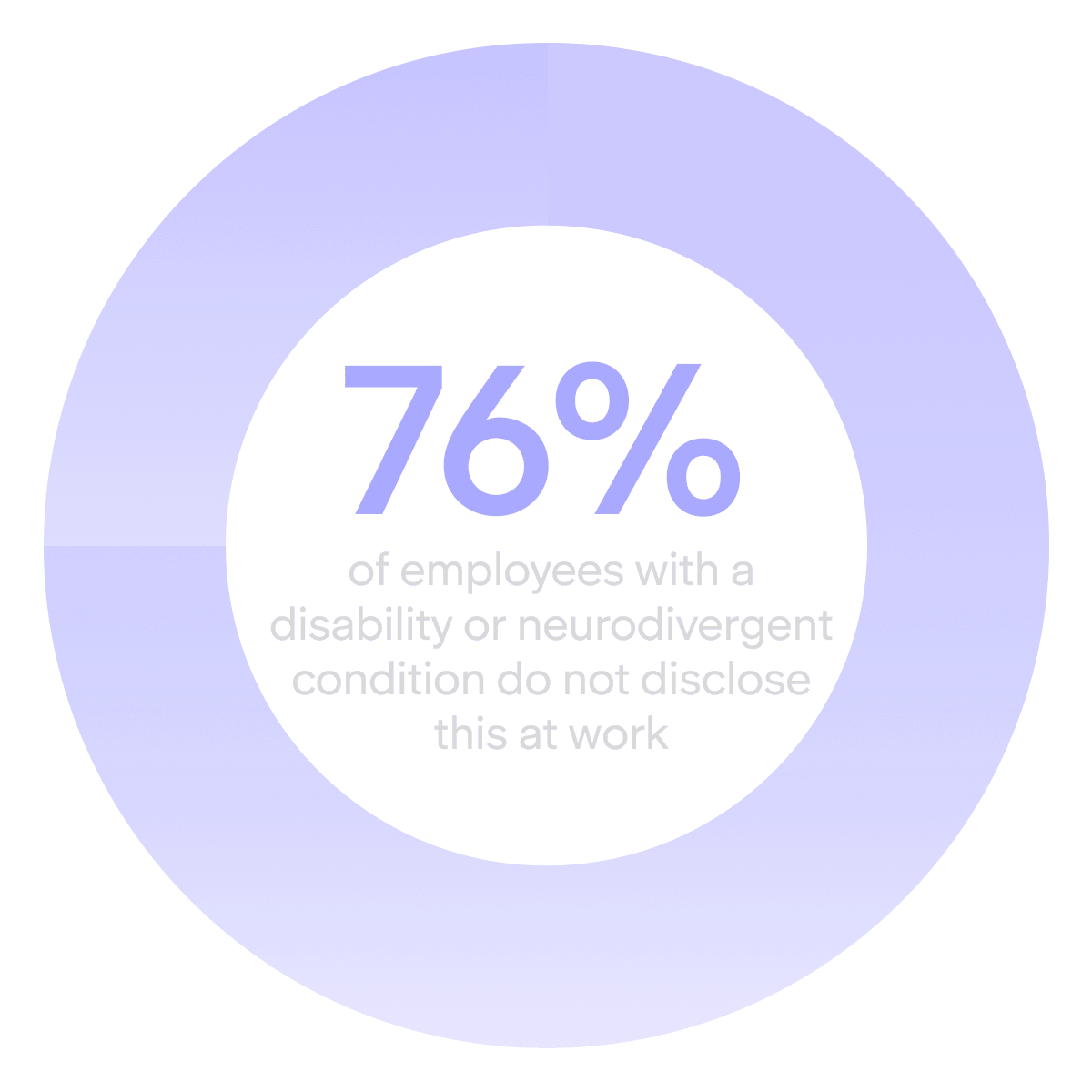
It’s important to remember that while some employees may feel comfortable disclosing their dyslexia, others may choose to keep this private. Research from the Harvard Business Review highlights that many employees choose not to share their disability status due to fears of bias, limited career progression, or lack of visible support. In fact, 76% of employees with a disability or neurodivergent condition do not disclose this at work. Another reason why it’s crucial that neurodiverse employees are supported, whether they disclose it or not.
Here are some ways to support these dyslexic employees:
- Promote awareness and understanding with disability inclusion and awareness training for all employees. This will help the whole workforce know how to support neurodiverse employees.
- Offer flexible working arrangements so employees can work in a way that suits their needs.
- Create opportunities for anonymous feedback to ensure employees feel comfortable sharing their opinion.
- Set up Employee Resource Groups to provide a safe space for employees to connect and share experiences. This helps create a supportive network.
- Provide proactive accommodations that can benefit all employees, such as assistive technology. Having this option can support dyslexic employees without the need to disclose.
- Provide tools that promote different ways of thinking, communicating and working, without the need for disclosure. For example, Read&Write for Work.
Other topics on neurodiversity in the workplace
Support employees with ADHD
Learn more →
Support employees with autism
Read guide →
Support employees with dyspraxia
Explore more →
Support employees with executive function
Learn more →
Neuroinclusive recruitment and onboarding
Explore guide →
Neuroinclusive culture and values
Learn more →
Employee Resource Groups
Read more →
Universal Design for work
Read guide →