Infinity loop logo

Neurodiversity in the workplace:

A practical guide to neuroinclusion

Neurodiversity is the natural range of how people think and process information. Neuroinclusion is how we design work so every mind can thrive. This guide brings both together so you can turn intent into action.

Don’t forget to bookmark this guide

Book a chat with our workplace specialists to hear more about strategies for a neuroinclusive workplace and technology for neurodivergent employees.

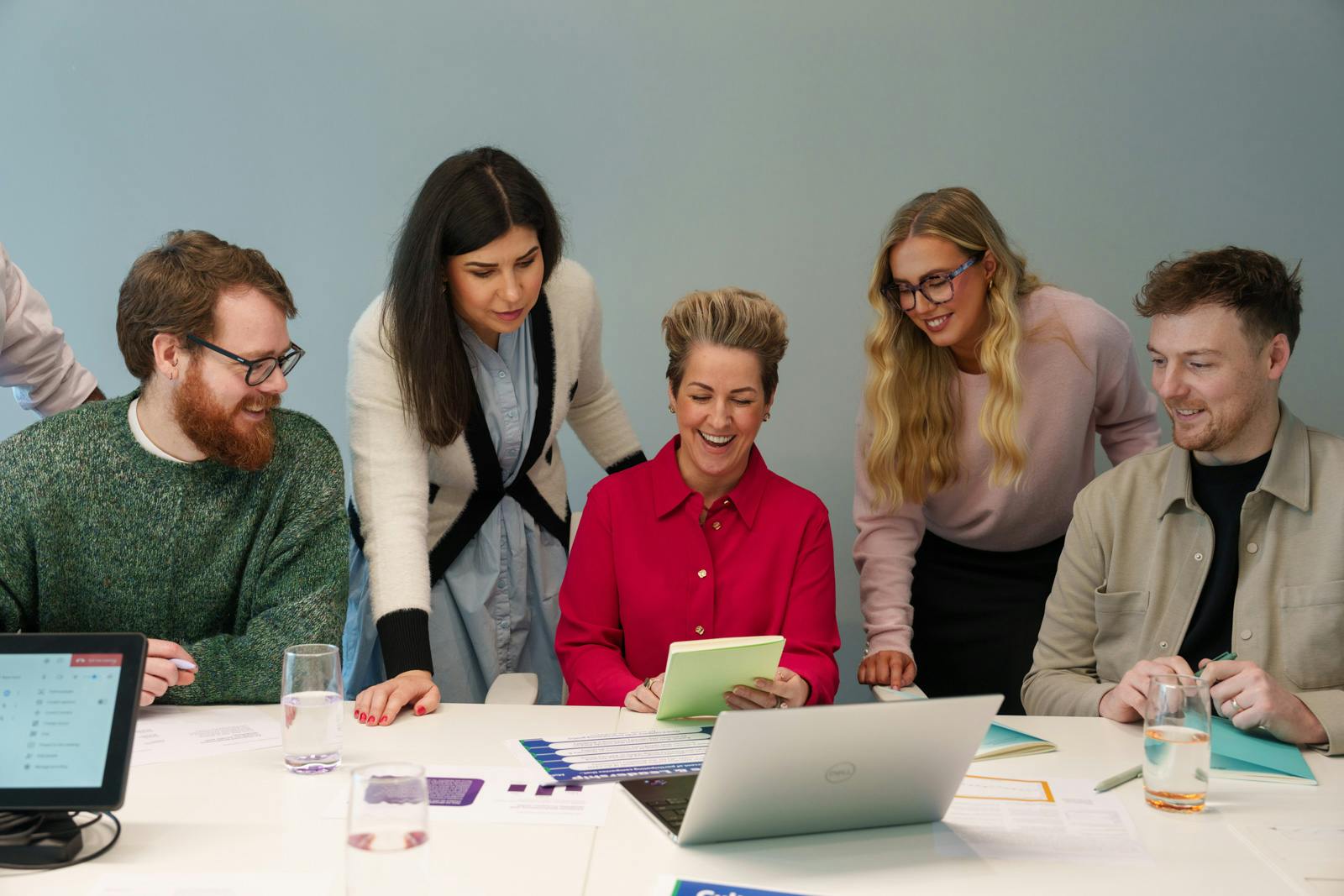
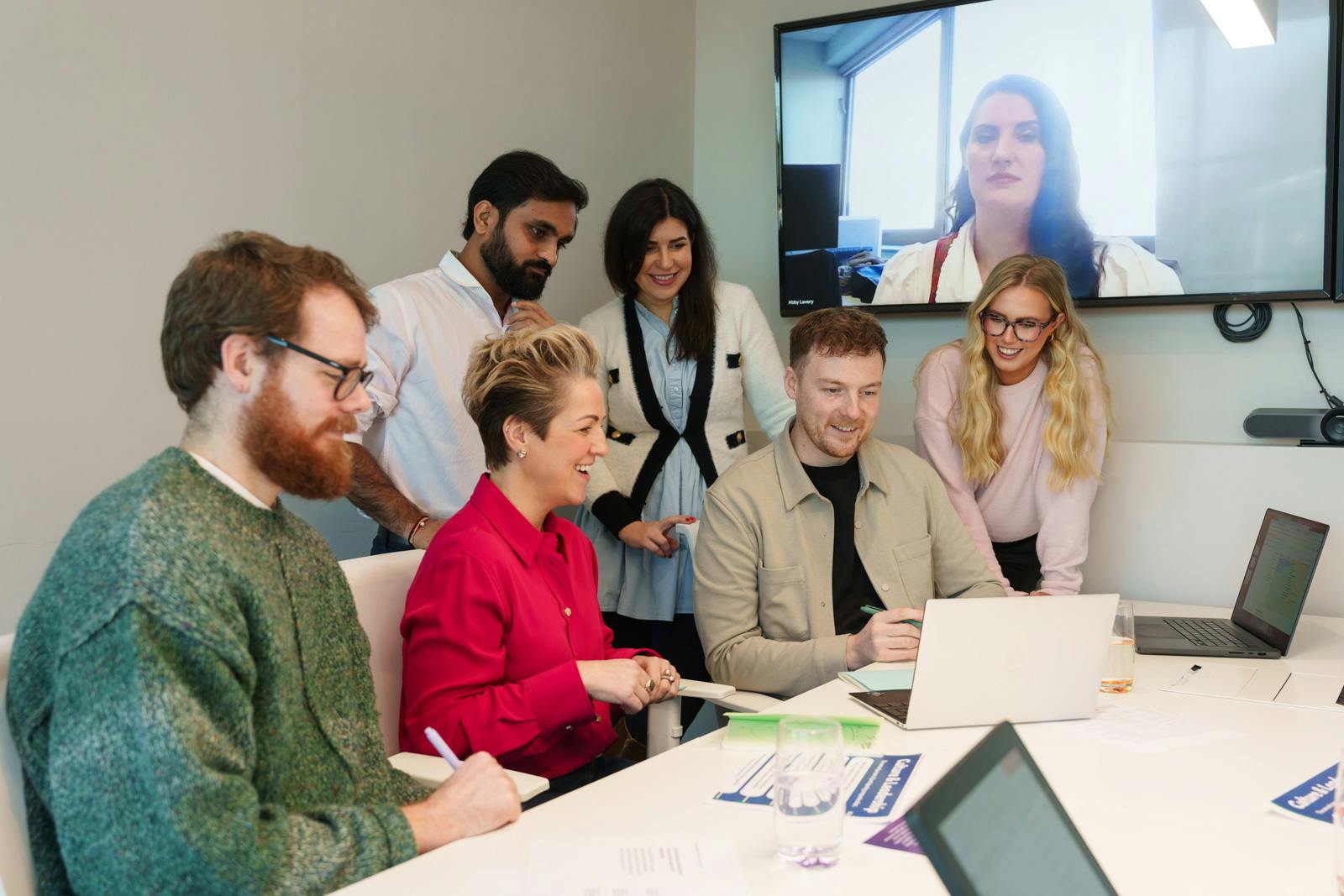
A group of diverse employees working on a project

What is neurodiversity?

Neurodiversity recognises that people experience and interact with the world in different ways. It includes conditions such as dyslexia, ADHD, autism, dyspraxia, and differences in executive function. These aren’t deficits, they’re variations in how our brains work. Each brings distinct perspectives, creativity, and problem-solving abilities that strengthen organisations.

What is neuroinclusion?

Neuroinclusion is about removing the barriers that prevent those strengths from showing up at work. It’s giving people choice in how they read, write, focus, and communicate. It’s reducing the need to disclose, and creating environments where support is built in. When neuroinclusion becomes the norm, everyone benefits.

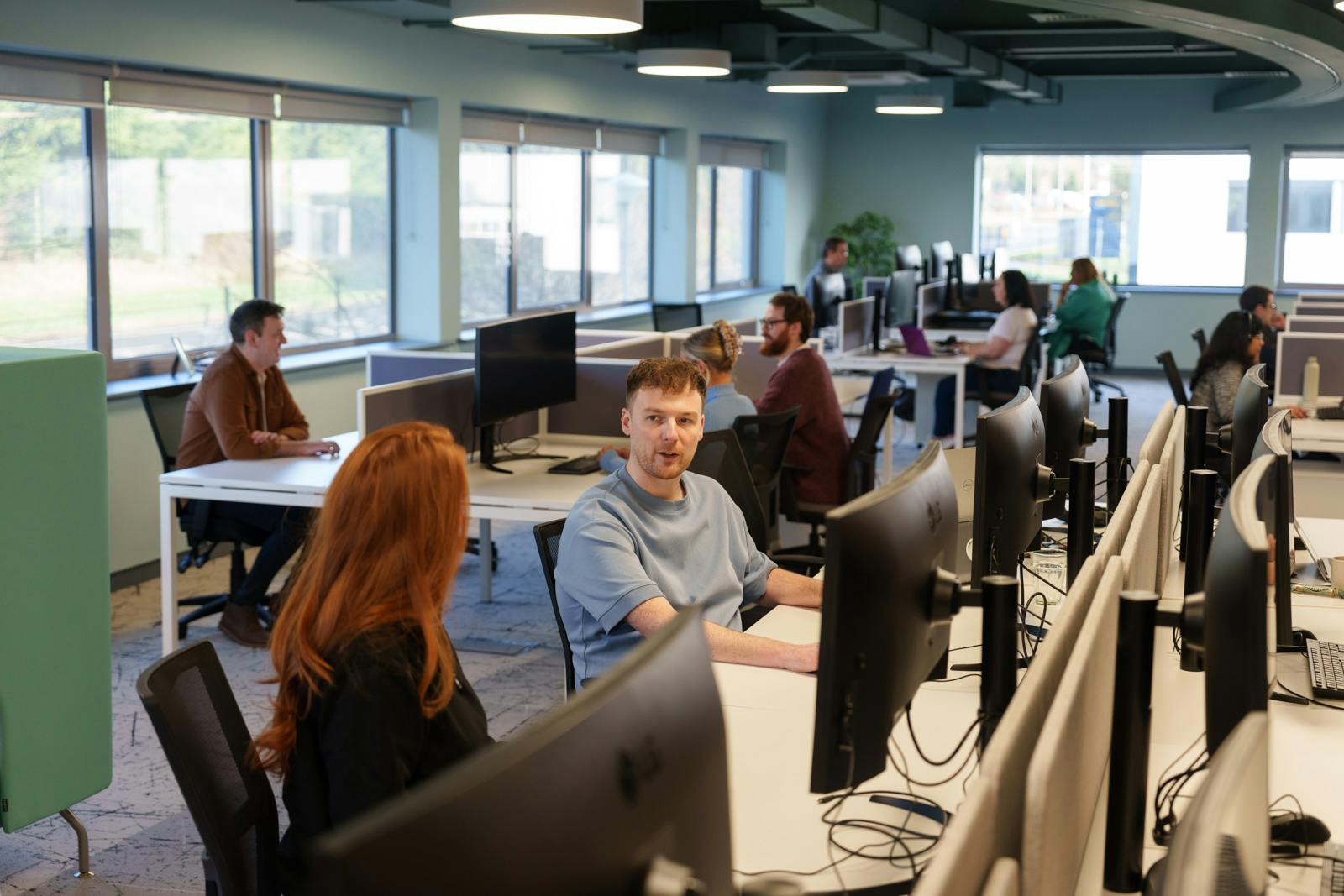
An open office space featuring two team members working and two walking towards the camera
Two team members chatting in an open office space

What are the rules around neuroinclusion at work?

Employers have a duty to make reasonable adjustments for people with a disability, and that includes many neurodivergent conditions, a duty set out under the Equality Act 2010. Everway products are built to meet recognised accessibility standards, so the tools you give your team support that duty from the start.

Understanding the language of neuroinclusion

The words we use matter. Neurodivergent describes someone whose brain works differently from what's considered typical. This includes people with dyslexia, ADHD, autism, and dyspraxia, among others. Neurotypical describes someone without these differences. Some people prefer "a person with dyslexia." Others prefer "a dyslexic person." There's no single right answer. The best approach is to ask, and follow what each person prefers. What matters most isn't getting every term perfect. It's creating a workplace where people feel comfortable being themselves.

“Creating a neuroinclusive workplace is good for people and good for business. When we remove unnecessary barriers and give employees the right support, we help people perform at their best while building stronger, more inclusive teams.”

Neurodivergent conditions explained

Of the global adult population, 10% are dyslexic, 6% are dyspraxic, 5% have ADHD, and 1-2% are autistic. Each of these neurodivergent conditions will be experienced differently by every individual. As an employer, it's important to get to know your employees on an individual basis. That way, you'll find out more about their personal strengths and challenges. However, to help give you some awareness we've identified some common characteristics below.

Dyslexia is a language processing difficulty associated with challenges in literacy, information-processing, and maintaining focus. People with dyslexia may struggle with reading, writing, spelling, and proofreading, as well as organizing details and concentrating in the presence of background noise. However, dyslexia can also bring strengths such as pattern recognition, problem-solving skills, and strong verbal communication abilities.

Dyslexia is a language processing difficulty associated with challenges in literacy, information-processing, and maintaining focus. People with dyslexia may struggle with reading, writing, spelling, and proofreading, as well as organizing details and concentrating in the presence of background noise. However, dyslexia can also bring strengths such as pattern recognition, problem-solving skills, and strong verbal communication abilities.

A book icon

Get the Neuroinclusion playbook

Our Neuroinclusion Playbook gives leaders a practical roadmap for activating neurodivergent talent and designing a culture of belonging. Discover proven strategies from neuroinclusive leaders at EY, SAP, Wells Fargo and more.

Why this matters for your business

Neuroinclusion isn’t just the right thing to do, it’s smart business. Around 15-20% of the population are neurodivergent. That’s 1 in 5 employees, whether diagnosed or not. When workplaces don’t consider neurodiversity, they risk losing out on the unique strengths these employees can bring.

a man pointing at something on a computer screen

Benefits of neurodiversity in the workplace:

  • Innovation and fresh ideas: Different thinking styles fuel innovation. Neurodivergent employees often excel in pattern recognition, problem-solving, and creativity.
  • A wider talent pool: Neuroinclusive hiring opens access to skilled candidates who may otherwise be overlooked. Broadening recruitment and onboarding practices helps attract diverse thinkers.
  • Better decision-making: Teams that include a mix of perspectives make stronger, more balanced decisions. Research shows diverse teams outperform more homogeneous ones by up to 60% in decision quality.
  • Employee engagement and wellbeing: When employees feel supported, engagement and trust rise. This boosts confidence, reduces stress, and lowers absence rates. It also improves morale across teams.
  • Performance and profit: Neuroinclusive organisations report stronger business results. Studies link neuroinclusive cultures with up to 19% higher revenue and improved long-term resilience.
  • Compliance and reputation: Building neuroinclusive practices aligns with global accessibility standards and demonstrates authentic commitment to diversity and equity in the workplace.

A neuroinclusive culture doesn’t happen by chance, it happens by design. When workplaces welcome every way of thinking, the can benefit from unique strengths of all neurotypes, including:

ADHD

Hyperfocus, creativity, energy and problem-solving abilities.

Autism

Detail-oriented, deep focus, reliability and logical thinking.

Dyslexia

Innovative thinking, big-picture thinking and verbal skills.

Dyspraxia

Creativity, strategic thinking and resilience.

Dyscalculia

Creative problem-solving, strategic thinking and verbal skills.

In fact, neuroinclusive companies report:

55%

positive impact on culture

45%

enhanced innovation

40%

improved employee retention

How to create a neuroinclusive workplace: A simplified framework

  1. Understanding and awareness: Build understanding of neurodiversity across your organisation through training and lived experience storytelling.
  2. Environment: Design physical and digital spaces that support focus, comfort, and accessibility for all employees. Aligning with standards like the W3C Web Accessibility Initiative.
  3. Tools and technology: Equip teams with assistive technology like Everway for Work to reduce barriers in reading, writing, and communication.
  4. Policy, culture and belonging: Embed neuroinclusion at every stage of the employee journey and company culture. From recruitment to onboarding, leadership development, and daily communication.

The following pages explore each of these areas in more depth with further guidance and advice. From supporting specific neurotypes to embedding universal design for work.

What our research found about disclosure

An Everway survey found that 61% of neurodivergent employees have experienced stigma at work. Of those who choose not to disclose, 44% worry it could hurt their career, and 42% worry about how managers or colleagues will see them. For many people, staying quiet still feels safer than speaking up. Neuroinclusion changes that. When support is built into how a workplace runs, rather than something people have to ask for, nobody needs to disclose just to get what they need to do their best work.

A smiling employee in an office working at a computer

What is masking?

Masking is when someone hides or suppresses parts of their neurodivergence to fit in at work. It might mean forcing eye contact, rehearsing small talk, or holding back a fidget or stim in a meeting. Many people do it without realising, and it takes a real toll. Over time, masking can lead to exhaustion, isolation, and feeling like you can't be yourself at work. The best way to reduce it isn't to ask people to mask less, it's to build a workplace where they don't feel they need to. For more information, check out our blog with further information on what masking is.

Supporting neurodivergent employees

Getting support through Access to Work

If a neurodivergent employee needs extra support, the Access to Work scheme can help. It's a government scheme that can fund things like assistive technology, coaching, or workplace adjustments, whether or not someone has a formal diagnosis. Employers can also apply on an employee's behalf. It's one of the simplest ways to get practical support in place quickly.

Neuroinclusive practices for the workplace

Where Everway for Work fits in

Everway for Work helps you meet your obligations and support your people, without waiting for someone to ask. It gives every employee tools for reading, writing, and communicating in the way that works best for them, available to the whole team, not just those who've disclosed. That means fewer barriers, less risk, and a workplace where people can do their best work from day one.

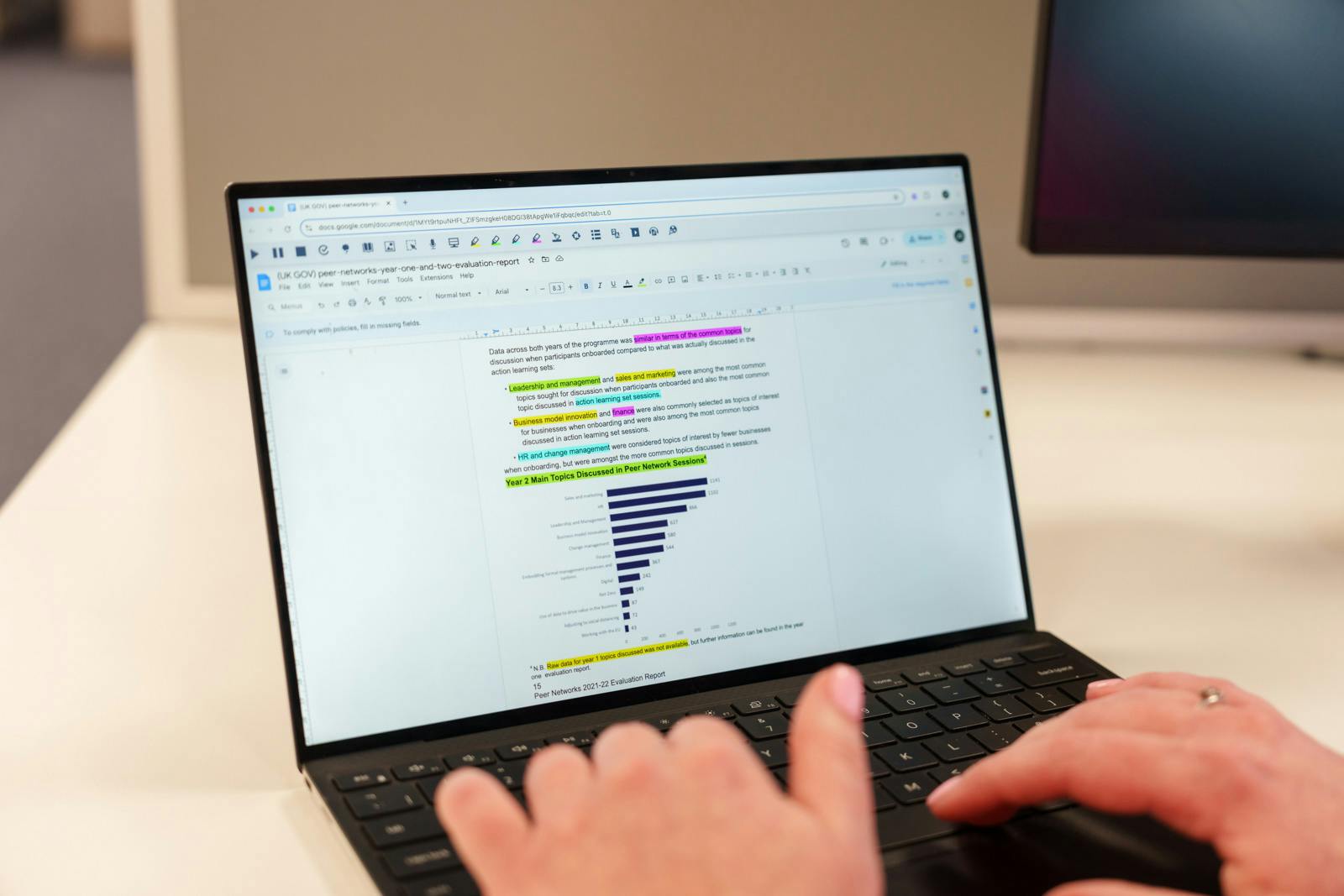
Read&Write highlighters being demonstrated on a laptop

Success with neuroinclusive technology

How KPMG supports neurodivergent staff with Read&Write

"It takes on average three years for a person to disclose they are neurodivergent.... Read&Write is available to every single colleague, without having to jump through hoops."

A simple, inclusive solution giving every employee access to the tools they need to thrive.

KPMG logo
Coca-Cola Europacific Partners logo

CCEP remove barriers with Read&Write

"By rolling out Read&Write we are removing barriers that aren’t always visible, opening up opportunities, and making the online experience easier for everyone..."

A digital workspace that supports every employee and unlocks opportunities for all. 

Lumen logo

Lumen launches Read&Write for Work company-wide

“It offered the most complete solution for members. It will provide the tools to allow employees to break down barriers and to showcase their best self at work..."

A “game-changing” solution helping all employees to produce their best work.

Get in touch

Our award-winning tool, Read&Write supports neurodivergent employees to reach their full potential. Find out how it can help create a neuroinclusive workplace today.