

Salesforce is redefining workplace accessibility through proactive systems, employee-led culture, and technology that empowers every mind to succeed.
At the heart of their strategy is neuroinclusion, ensuring that every employee is supported with tools and practices that allow them to work and communicate in the way that suits them best.
With tens of thousands of employees worldwide, Salesforce places employee belonging at the centre of its culture, creating a workplace where everyone can fully show up. As a global leader in customer relationship management, the company is widely recognised for its commitment to trust, innovation, and an environment that empowers every voice.
Proactive accessibility in action
Salesforce recognises that up to 76% of neurodivergent individuals choose not to disclose at work due to stigma or lack of formal diagnosis. To address this, the company designed a neuroinclusion model based on one principle: support should be proactive, not reactive.
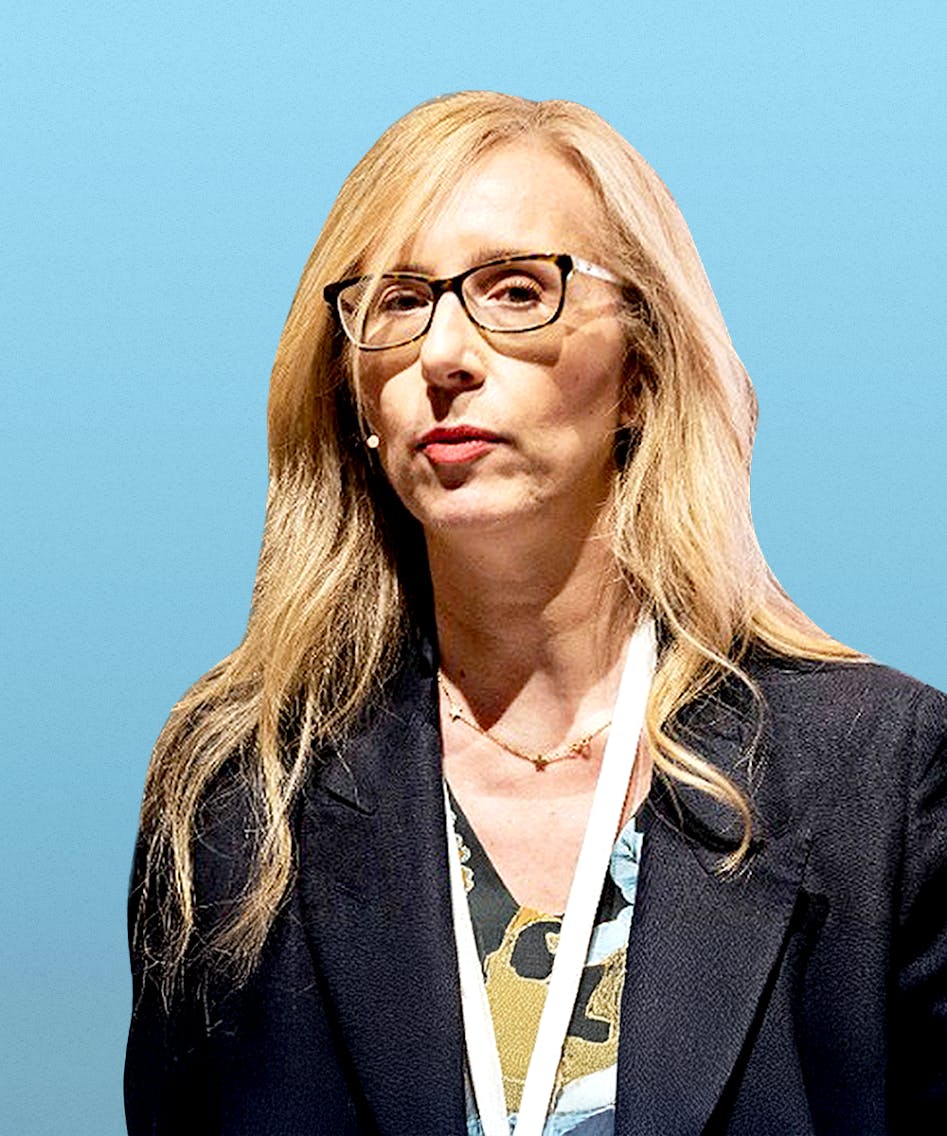
“Support should be proactive. Offer access to assistive technology and coaching as a standard practice, not something that people have to request.”
Universal access to Assistive Tech
From day one, employees have access to assistive technologies and workplace adjustments - no forms, approvals, or disclosure required. This approach removes stigma, simplifies access, and ensures everyone has the resources to work confidently.
AI-driven guides
The Office of Accessibility has introduced AI-driven guides that help employees explore tools and training independently. By making accessibility self-service, the company ensures scalable, user-led empowerment.
This proactive model benefits all employees, improving focus, communication, and collaboration across teams.
Employee-led empowerment
Beyond programs and systems, Salesforce’s success is driven by its people. Employee resource groups, such as Neuroforce, play a vital role in shaping strategy, testing tools, and providing lived insights.
“It’s very important to be led by your employees, listen to their priorities and tap into the wisdom of your internal community.”
These groups act as co-design partners, ensuring neuroinclusion initiatives are relevant, sustainable, and grounded in real experience. Neuroinclusion becomes not just a project, but a way of working embedded in the company’s DNA.
Neuroinclusive technology
Neurodiversity exists in every workplace. About one in five people process information, learn, or communicate differently. Salesforce designs its environment around the principle that everyone should have the tools they need to succeed in the way that suits them best.
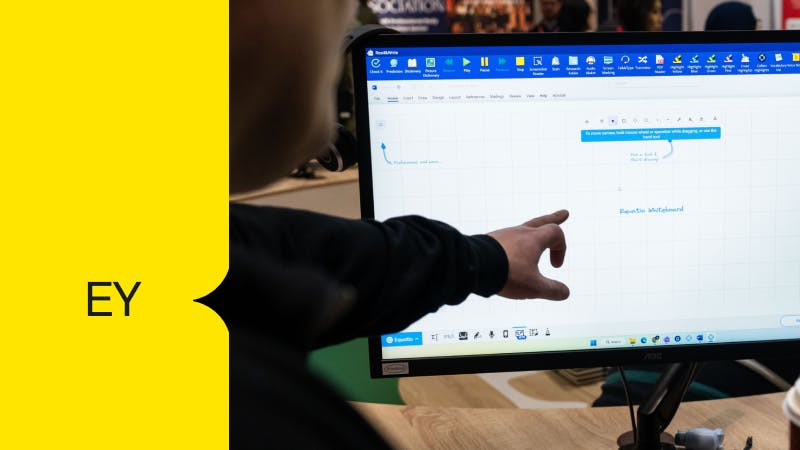
Employees have access to assistive tools, including Read&Write for Work by Everway, which supports different ways of working and helps boost focus, efficiency, and productivity.
Salesforce is the world’s leading customer relationship management technology, helping companies build and improve customer relationships.
 Read&Write for Work
With Read&Write, users have choice and flexibility in how they engage with information. Employees can:
- Listen to text read aloud to improve comprehension and focus
- Use writing and spelling supports to communicate clearly and confidently
- Translate words or passages to support collaboration across languages
- Record and insert voice notes to capture thoughts or feedback efficiently
- Work in a way that suits them best, boosting productivity and reducing everyday friction
Together, these features remove everyday barriers, allowing employees to focus on their ideas and communicate with confidence.
Lessons for building a neuroinclusive workplace
Drawing from Federica Terrenzio’s experience, several principles stand out:
- Start with proactive support
Ensure assistive technology and coaching are part of the standard employee experience from day one. - Create psychological safety
Build spaces where employees can share experiences without requiring disclosure to receive help. - Co-design with your people
Involve neurodivergent employees in shaping and testing strategies to ensure relevance and impact. - Invest in education
Train leaders and teams on neurodiversity and inclusive practices to embed learning into everyday leadership. - Measure and evolve
Track progress with both quantitative metrics and qualitative feedback to continuously improve initiatives.
Together, these lessons demonstrate that neuroinclusion is an ongoing process, one that requires listening, learning, and designing systems that allow every individual to thrive.

Hear more, directly from the experts
Federica Terrenzio joins other inclusion leaders to share how they’re building neuroinclusive workplaces, from proactive support to people-first technology.
Watch the on-demand webinar for practical insights and strategies you can apply today.