TOP FEATURE
Twelve adapted novels and plays
Students can explore twelve well-known classics, including works by Charles Dickens, Jane Austen and William Shakespeare. Each title is rewritten for clarity while preserving the original meaning and tone.

Classics gives every learner a meaningful way to engage with timeless stories. With adapted novels, symbol-supported versions and ready-to-use instructional tools, teachers can deliver high-quality reading experiences that build comprehension and confidence.
Classics gives every learner a way to engage with timeless stories through clear, accessible formats. Each title is available in two distinct versions so students can choose the format that best supports their understanding and confidence.

TOP FEATURE
Students can explore twelve well-known classics, including works by Charles Dickens, Jane Austen and William Shakespeare. Each title is rewritten for clarity while preserving the original meaning and tone.

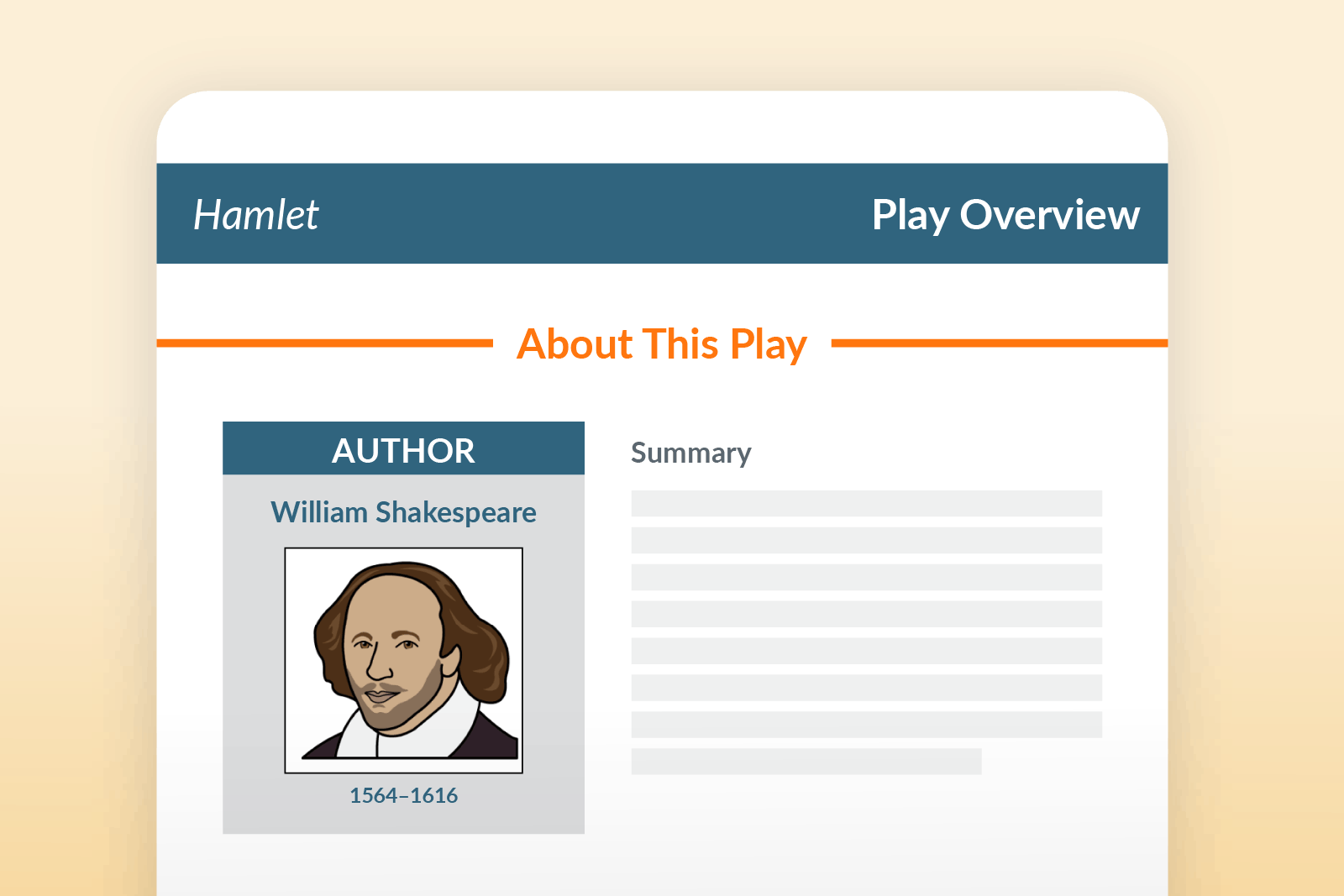
A clean, simplified version of each story that supports comprehension while keeping the content age-respectful for older learners.
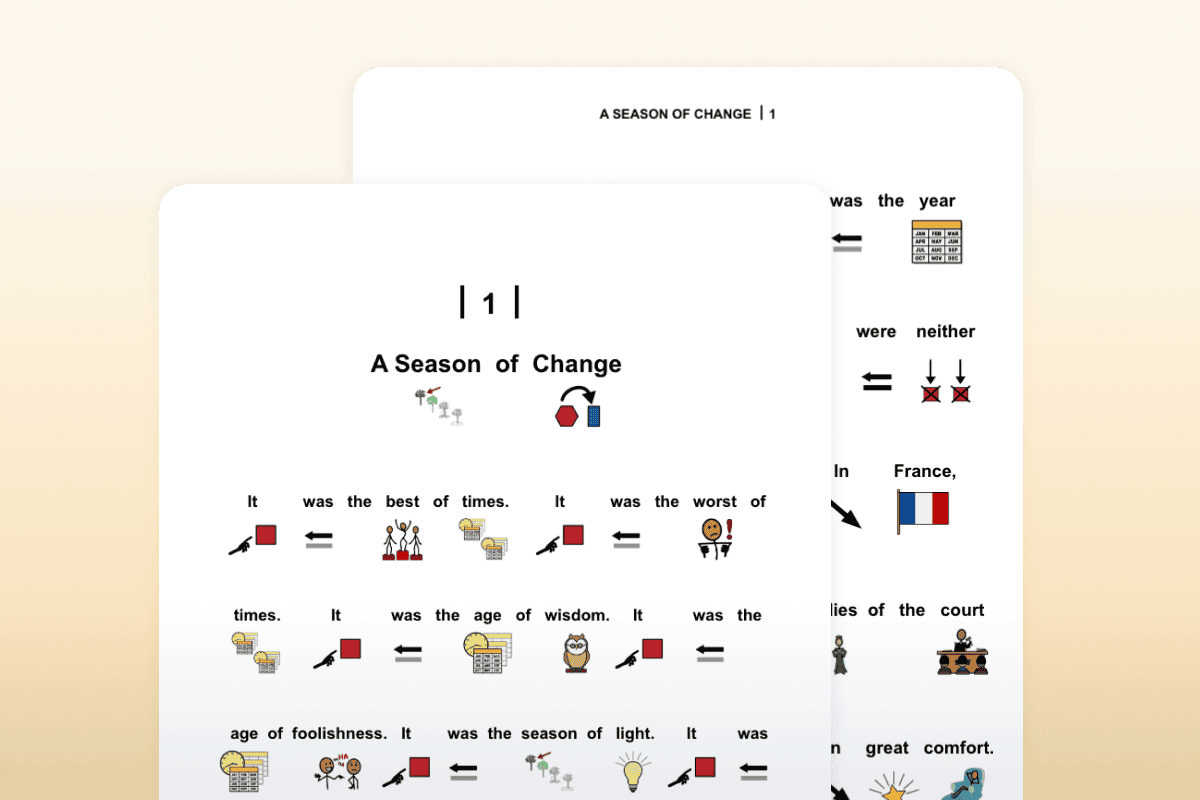
A visual version of every novel or play that pairs text with symbols to aid understanding, vocabulary development and expressive language.
Classics includes four levels of comprehension activities that help students build comprehension, fluency and vocabulary. Every chapter features structured supports that guide readers before, during and after reading.


Built-in vocabulary resources help students learn key terms in each chapter. Visuals, simple explanations and structured practice make new words easier to learn and remember.
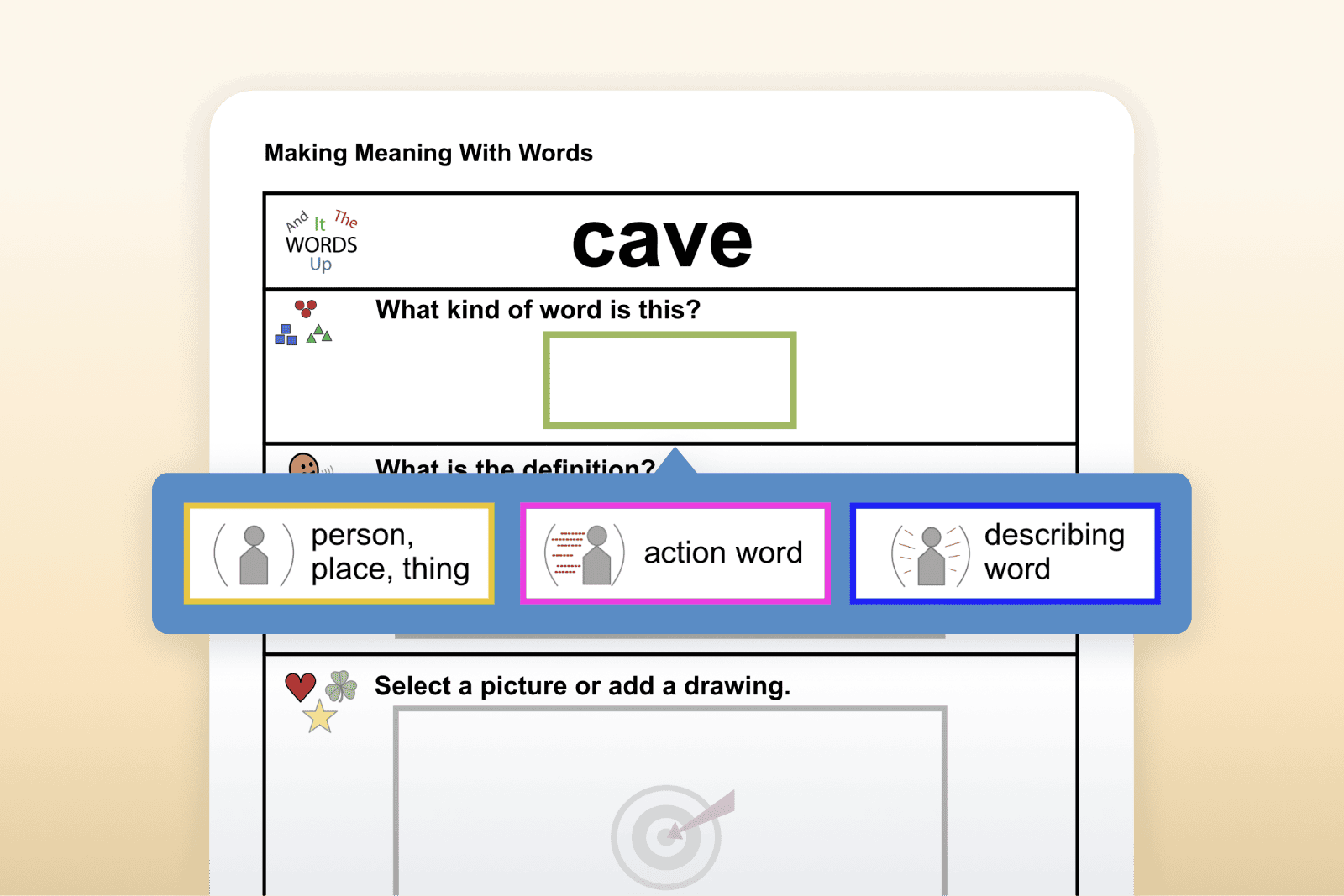
Students learn academic and story-specific vocabulary through clear definitions, picture supports and sentence-building tasks.

Students follow predictable steps to learn new words, supporting retention and reducing cognitive load.
Classics help give every student a voice. It includes communication tools that help learners participate in discussions and express understanding in ways that work for them.
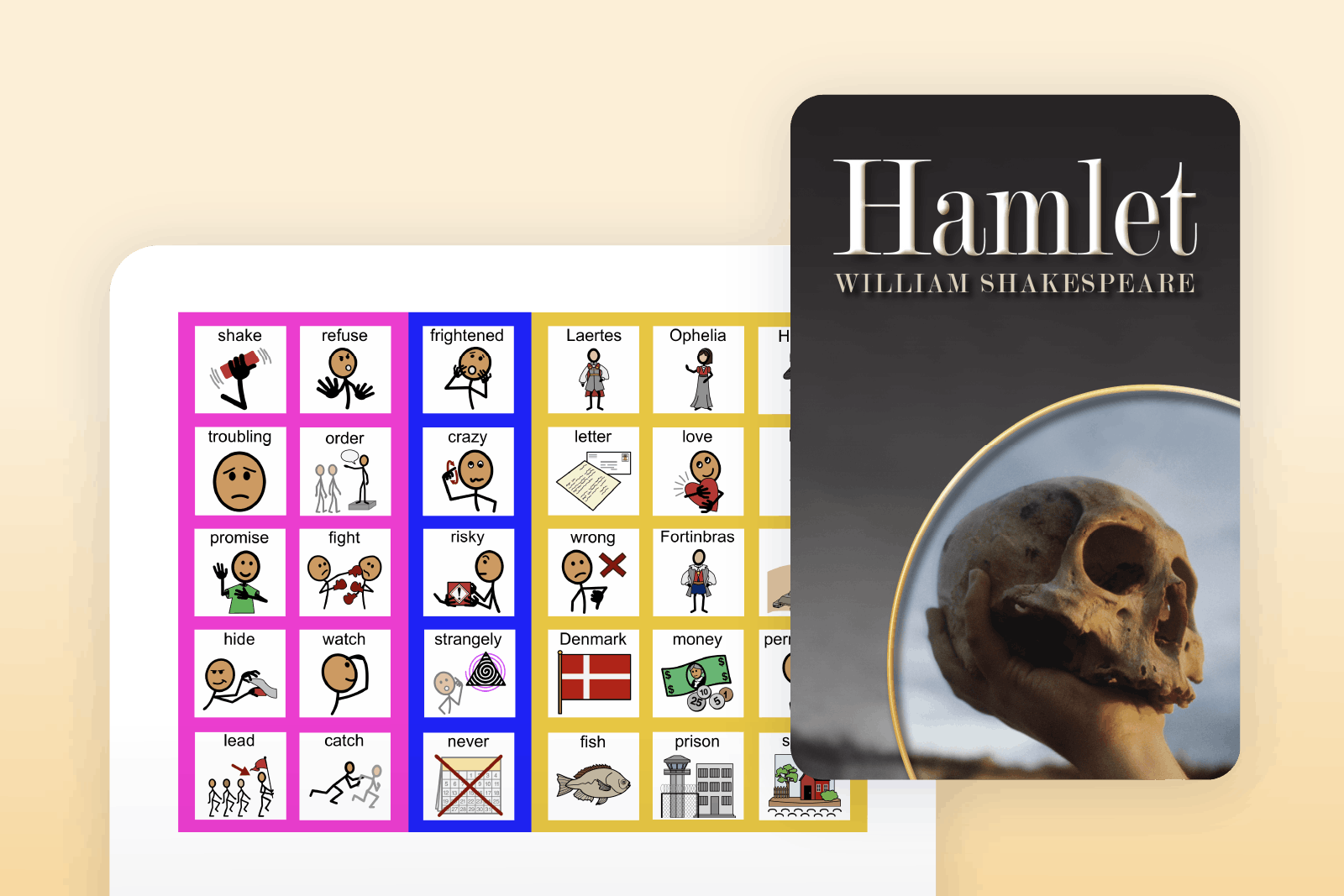
Novel-specific boards include key characters, settings and vocabulary to help students join classroom conversations.

Lesson plan discussion questions encourage interaction, peer discussion, and deeper thinking. Teacher guidance helps build background knowledge and activate prior knowledge so students can engage more meaningfully with the text.
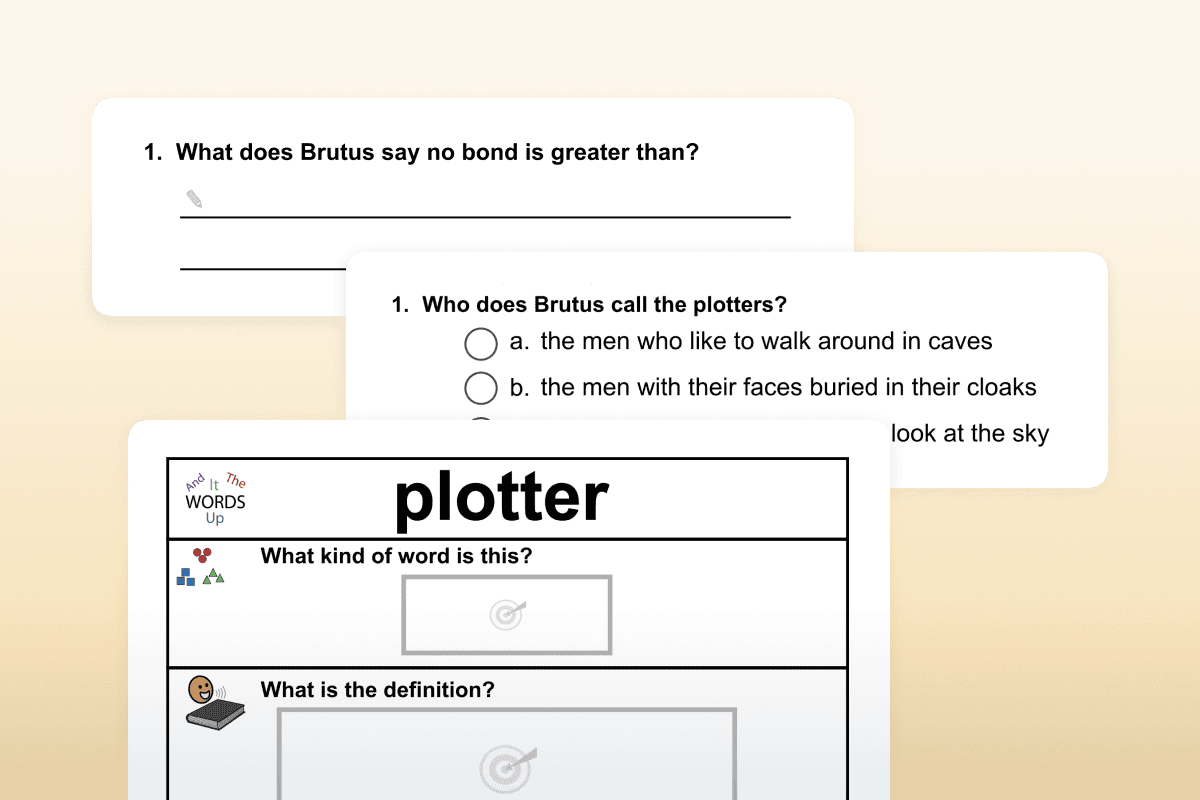
Students can use visuals, symbols or written responses to share ideas and show comprehension.
Classics contain ready-to-use materials that save teachers time. It includes consistent teaching routines and structured lesson plans that help educators deliver effective instruction with less prep work needed.


With automatic data collection that supports IEP goals, Classics makes it simple to track comprehension and monitor growth. Activity performance is automatically captured, giving teachers clear insight into student progress.
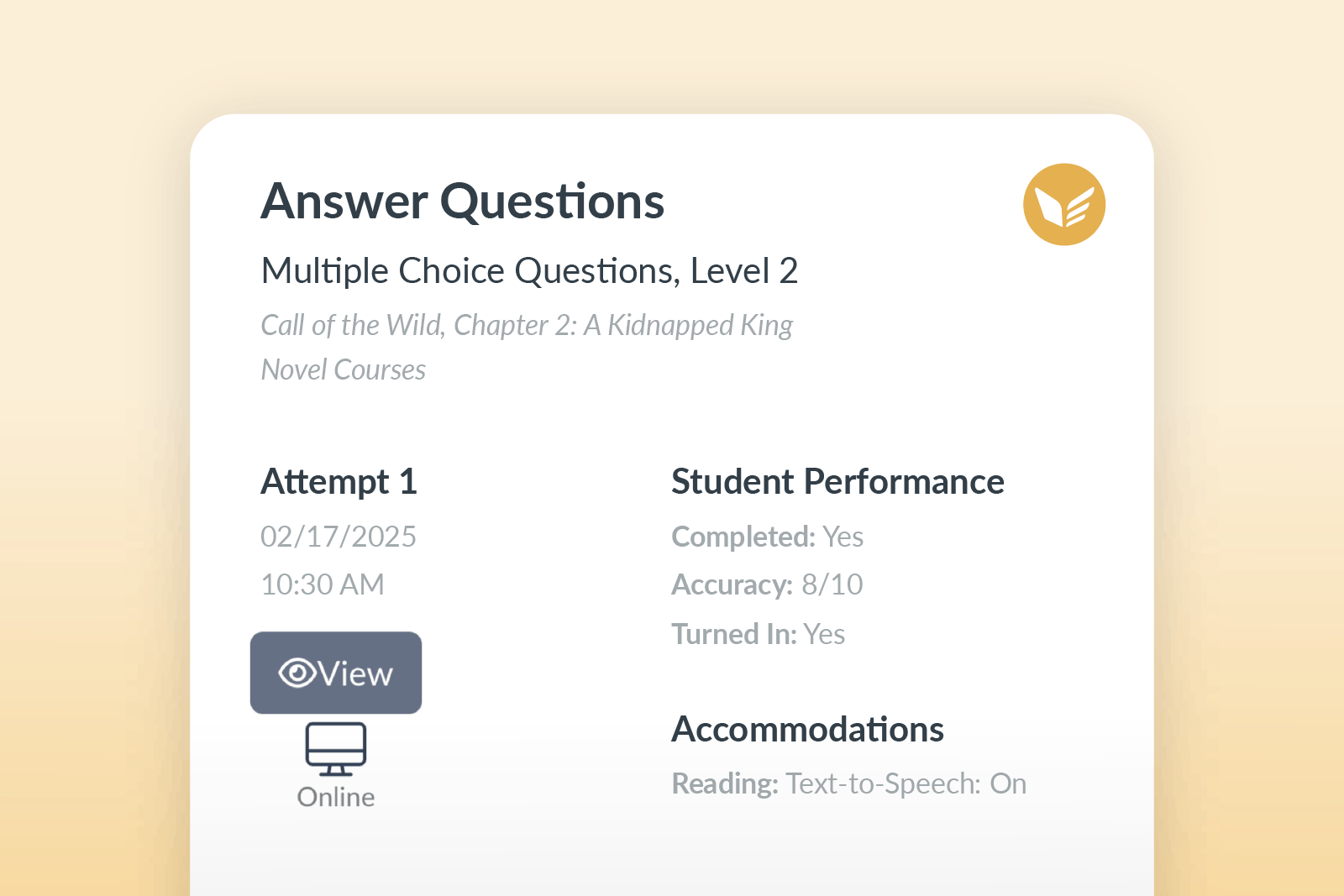
Teachers can see how students are performing on vocabulary, comprehension and end-of-book tasks.
Progress data helps educators track goals, report growth and plan next steps.
Clear results help teachers make informed decisions without adding extra workload.
Classics works in classrooms, at home and in hybrid environments, making it easy to support every learner wherever they read.
Classics titles are also available in print for classrooms that prefer physical books.
Students and teachers can access materials from any device.
Use Classics in whole-group instruction, small groups or independent reading.
Whether you're new to Classics or rolling it out across classrooms, our professional learning resources offer guidance, best practices and easy how-tos.
Share a few details with us and a member of our team will reach out to understand your goals, answer your questions and show you how Classics can support your students.