Masking is when someone hides or adopts certain traits to feel more accepted in school, work, or social situations. The National Autistic Society describes masking as a common experience for autistic people and other neurodivergent individuals. It can include forcing eye contact, hiding sensory discomfort, suppressing stimming, or monitoring behaviour to appear more neurotypical.
This normally happens in environments where differences are not fully accepted. While masking can help someone avoid judgment or fit in in the short term, over time it often leads to burnout.
Many neurodivergent people struggle silently in environments that were not designed for them, which is why it’s important for schools and workplaces to understand why people feel the need to mask and how they can create more supportive environments.
What does neurodivergent masking look like
While everyone adapts their behaviour in different situations, neurodivergent masking is usually much more constant and exhausting. It often involves suppressing their natural reactions and performing what is seen as socially acceptable or “normal.”
Across neurodivergent individuals, this can look like rehearsing conversations, monitoring reactions constantly, scripting responses, or performing expected social behaviours. Here are a few examples of what masking can look like for different neurodivergent individuals.
Masking in autism
Individuals with autism may mask by suppressing stimming, forcing eye contact, copying neurotypical body language, or hiding sensory sensitivities
Masking in ADHD
For those with ADHD, masking may include hiding hyperactivity, overcompensating for time management challenges, masking impulsivity, or forcing concentration.
Why do neurodivergent mask in certain environments
Many people may not realise they are masking because it can become an automatic protective response over time. Masking often develops in environments where neurodivergent differences are judged, misunderstood, or unsupported.
Masking in school
Masking can begin early in education after repeated correction, bullying, exclusion, or pressure to fit in. Many neurodivergent students quickly learn that certain behaviours attract negative attention, even when those behaviours help with focus, communication, or emotional regulation.
Research suggests autistic girls and women are more likely to camouflage autistic traits, which can contribute to delayed diagnosis and reduced access to support.
Masking in the workplace
In adulthood, masking at work may develop because of pressure to appear professional, fear of discrimination, or concerns about job security and career progression.
Around 70% of neurodivergent employees choose not to disclose at work because of concerns about stigma or negative assumptions. To prevent this, we work with organisations to design workplaces that embrace all styles of learning, working and communication.
Common reasons people mask include:
- Avoiding social exclusion
Fear of being seen as different or being left out socially - Preventing discrimination
Concerns about being treated unfairly or losing opportunities - Meeting expectations
Pressure to conform to neurotypical communication and behaviour standards - Self protection
A learned survival strategy developed through past negative experiences

How to recognise neurodivergent masking
Masking behaviour can look different from person to person. Some behaviours may be subtle and difficult for others to notice, while others involve constant mental effort to appear comfortable, focused, or confident.
Suppressing stimming behaviours
Stimming refers to repetitive movements, sounds, or actions that help regulate emotions. It is commonly associated with autistic people, although many neurodivergent individuals stim in different ways. Examples may include rocking, hand flapping, fidgeting, humming, or tapping.
Masking involves suppressing these behaviours because they are viewed as distracting, unusual, or unprofessional. This can become particularly difficult in a classroom or workplace setting where someone may become restless, overwhelmed, or mentally exhausted from trying to appear still or socially appropriate for long periods of time.
Closely monitoring social cues
Many neurodivergent people spend a lot of energy analysing social interactions in real time, to help mask and fit in with peers. This can involve rehearsing conversations, monitoring facial expressions, and carefully managing tone of voice or body language.
This level of self monitoring can become mentally exhausting, which is why many neurodivergent individuals can suffer from burnout. Examples can include:
- Preparing scripts for common conversations
- Forcing eye contact even when it feels uncomfortable
- Copying other people’s gestures or speech patterns
- Replaying conversations afterwards and worrying about responses
Concealing sensory sensitivities
Neurodivergent people can experience heightened sensitivity to sound, lighting, textures, smells, or busy environments. Masking can involve hiding this discomfort to avoid drawing attention or appearing difficult, even when the environment feels overwhelming or physically uncomfortable.
As sensory masking is often invisible to others, someone may appear calm or comfortable on the outside while internally using large amounts of energy to cope. Over time, this constant effort can become mentally and physically exhausting.
Strategies for reducing neurodivergent masking
Reducing masking is not only the responsibility of neurodivergent individuals. Leaders should create environments where people feel safe learning, working, and communicating in ways that suit them.
Support should not depend on whether someone feels safe enough to disclose or formally request accommodations. Many neuroinclusive adjustments benefit a wide range of learners and employees.
In education settings, approaches such as differentiated instruction and Universal Design for Learning (UDL) can help reduce unnecessary barriers and create more accessible learning environments. In workplaces, neuroinclusive practices and flexible ways of working can help reduce pressure to mask and support different communication and working styles.
Strategies can include:
- Flexible environments and movement
Standing desks, movement breaks, flexible seating, remote work options, or access to quieter spaces - Sensory accommodations
Headphones, adjusted lighting, quiet areas, or reducing unnecessary background noise - Clear communication
Written instructions, shared agendas, visual supports, or different ways to participate and respond - Reducing social pressure
Making optional social activities genuinely optional and respecting different communication styles - Reframing expectations
Avoiding punishment or judgement around stimming, movement, eye contact, or different working styles - Access to assistive technology
Tools that support reading, writing, organization, communication, and focus without requiring disclosure first - Building neurodiversity awareness
Helping educators, managers, colleagues, and peers understand different ways of learning and working
Using assistive technology to support neuroinclusion
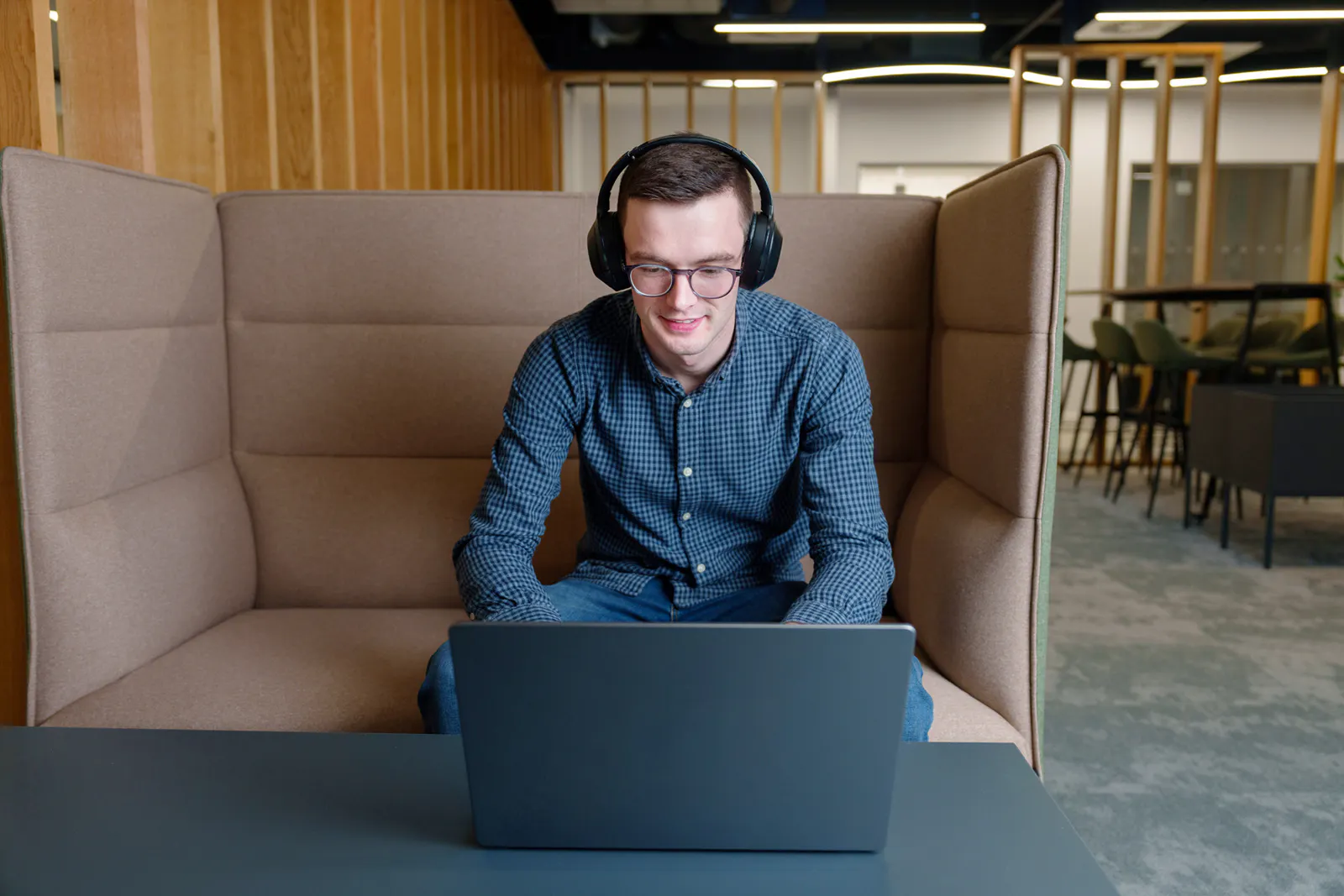
Technology can help reduce cognitive load, communication pressure, and sensory overwhelm in both education and work settings. Assistive technology is not only for people with formal diagnoses. Many tools support different ways of learning, working, communicating, and processing information.
Neuroinclusive technology helps people work, learn, and communicate in ways that match their strengths, reducing pressure to mask natural processing differences.
Helpful supports can include:
- Text-to-speech and speech-to text tools
- Organisation and planning supports
- Focus and sensory regulation tools
- Communication and accessibility supports
Unmasking and authenticity in school and work
Unmasking is a process and can take time. For many neurodivergent people, it involves gradually reducing behaviours that feel exhausting or inauthentic while finding safer ways to be themselves.
Gradual approaches for self advocacy
For people considering unmasking, small changes are often more realistic. Strategies for unmasking can include:
- Starting in safe spaces with trusted people
- Identifying which masking behaviours feel most exhausting
- Communicating support needs clearly and specifically
- Setting boundaries around when and where masking feels necessary
- Tracking which environments reduce stress and which increase exhaustion
Respectful boundaries around disclosure
Unmasking does not necessarily mean disclosing a diagnosis. It means reducing the pressure to constantly perform. Disclosure is deeply personal and no one should be obligated to share a diagnosis to receive support in school or the workplace.
Many people choose selective disclosure, sharing information with trusted individuals while keeping boundaries elsewhere. Things to consider when deciding whether to disclose include:
- Whether the environment feels genuinely supportive
- Whether formal accommodations require documentation
- How information may be shared or understood by others
- Whether adjustments can be requested without disclosure
Both disclosure and non disclosure are valid choices.
Supporting psychologically safe and neuroinclusive environments
Reducing masking requires more than individual coping strategies. It also requires schools and workplaces to challenge systems and expectations that pressure people to hide who they are. Ways to create more neuroinclusive environments include:
- Challenging narrow professional norms
Questioning whether behaviours like strong eye contact or sitting still are actually linked to competence - Normalising accommodations
Making support tools and adjustments available to everyone, not only those who disclose - Educating broadly
Building understanding of neurodiversity across classrooms and workplaces - Listening to neurodivergent voices
Including lived experience in decisions, policies, and support strategies - Measuring inclusion meaningfully
Looking beyond representation to whether people feel psychologically safe being authentic