Explore more on dyspraxia below
Or return to our main guide on neurodiversity at work to learn how different neurotypes and practices come together to create a neuroinclusive culture.

What is dyspraxia and what challenges can it bring?
Dyspraxia is known as a Developmental Coordination Disorder. Approximately, 6% of the adult population are dyspraxic. It's commonly associated with challenges related to movement, such as planning and processing motor tasks. As well as strengths including holistic thinking, tenacity and empathy.
People with dyspraxia may have problems with physical coordination. They may cause general disorientation and poor balance. It can also cause difficulties in handwriting and typing. Individuals with dyspraxia may also have difficulty organizing the content and sequence of their language.
Dyspraxia is also associated with many strengths. For example, people with dyspraxia are often creative, holistic and strategic thinkers. They can excel at innovation and problem-solving and many other skills.
How can dyspraxia affect people at work?
Dyspraxia in adults can lead to certain difficulties in the workplace. Individuals may struggle with a range of tasks that require coordination, organization, and fine motor skills.
This can make for some challenges like struggling with writing and typing, issues with time management, and difficulties with speech and language.
These struggles aren’t due to a lack of intelligence or skill. They occur because traditional workplaces often aren’t neuroinclusive. With the right accommodations, employees with dyspraxia can thrive in the workplace and contribute their unique strengths.

What strengths can come with dyspraxia and how can workplaces benefit?
When companies adjust their processes to access neurodiverse talent, this taps into a whole range of benefits, including boosts in innovativeness and improved productivity. This skilled group includes those with dyspraxia. Here are some of the strengths employees with dyspraxia can bring:
Individuals with dyspraxia tend to have a strong creative streak. They may approach challenges in unconventional ways, bringing fresh ideas and perspectives to the table.
Individuals with dyspraxia tend to have a strong creative streak. They may approach challenges in unconventional ways, bringing fresh ideas and perspectives to the table.

Unlock the potential of neurodiverse talent
Learn how leading organizations like Coca-Cola Europacific Partners, KPMG, and Network Rail are embracing neurodiversity to boost productivity, engagement, and neuroinclusion. Get practical strategies and insights in our free guide.
How to support employees with dyspraxia and adjustments
Dyspraxia can cause difficulties in physical aspects of work, including handwriting and typing. It can also affect the ability to plan and organise workload. Workplace leaders have a responsibility to make sure the right adjustments are in place for employees with dyspraxia.





Supporting employees with dyspraxia without disclosure
Not all employees will want to disclose that they are neurodivergent, and there’s no legal obligation to do so. Research shows, 76% of employees with a disability or neurodivergent condition do not disclose. According to the Dyspraxia Foundation, this can be due to fear of stigma, misunderstanding, or being treated differently. Workplaces should focus on creating a neuroinclusive culture, where employees are supported whether they choose to disclose or not. Here are some ways to support employees with dyspraxia, without the need for disclosure:

- Neurodiversity training for all employees can improve awareness and create a more empathetic atmosphere where employees can feel more comfortable seeking support.
- Offer flexible working arrangements to provide employees with a comfortable and accommodating work environment that suits their needs.
- Create opportunities for anonymous feedback so employees can share concerns without disclosing personal information. This allows dyspraxic employees to express themselves without fear of judgement.
- Establish Employee Resource Groups (ERGs) or support networks that provide a safe space for employees to connect, share experiences, and offer mutual support; without requiring explicit disclosure.
- Provide proactive accommodations that can benefit all employees. Having the option of assistive technology can assist with tasks and mitigate challenges without needing disclosure.
- Provide tools that promote different ways of thinking, communicating and working to all employees, without the need for disclosure. For example, Read&Write for Work.
Assistive technology for employees with dyspraxia
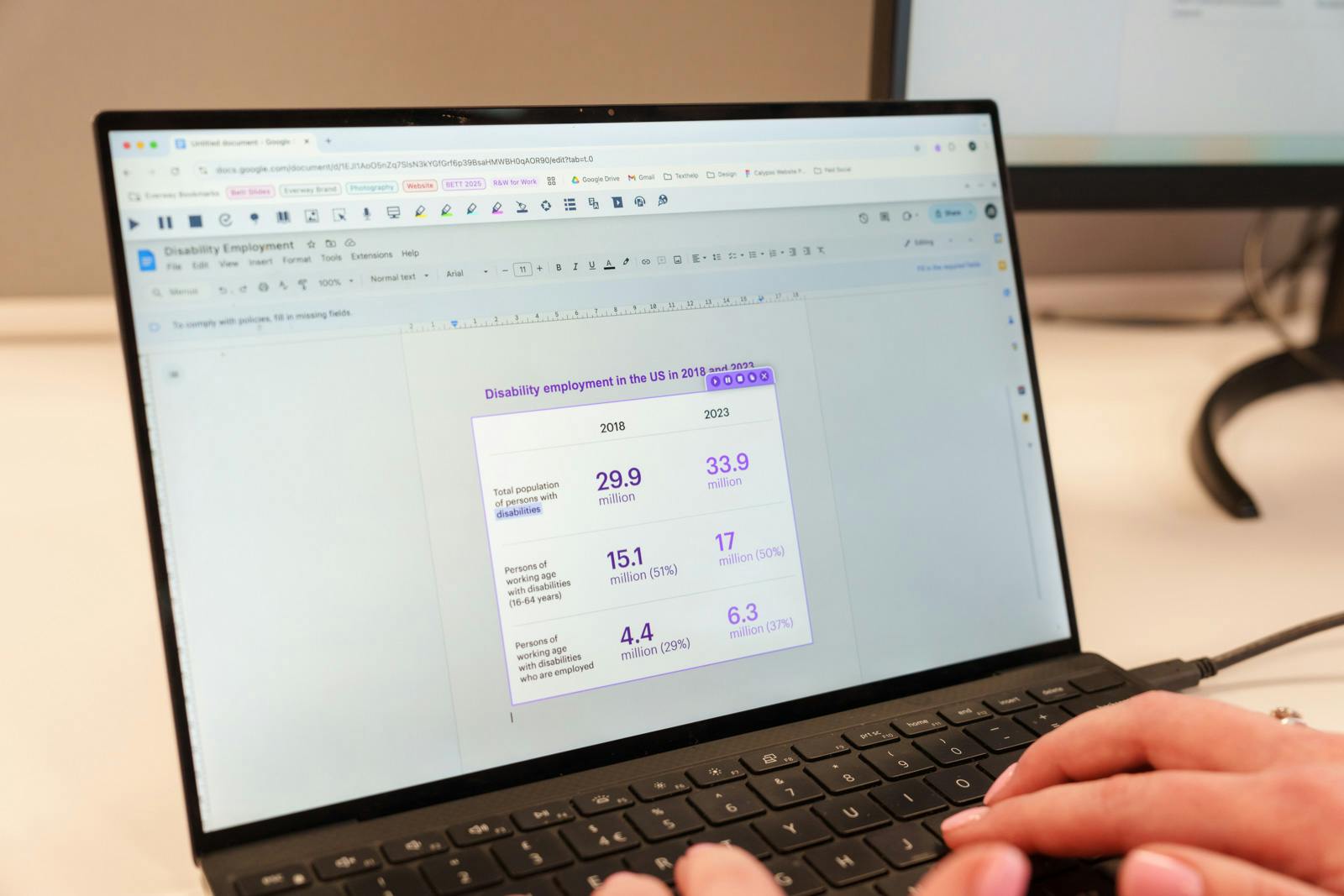
Employees with dyspraxia often experience difficulties with motor coordination, organization, and written communication. Assistive technology helps remove these barriers and lets employees focus on their ideas, not their handwriting or typing speed.
How Read&Write for Work helps:
- Simplifies writing and editing: Dictation allows employees to speak their thoughts naturally, cutting down on typing effort.
- Supports organization: Highlights make it easy to pull key points together and structure information visually.
- Improves readability: Text-to-Speech supports proofreading and comprehension, helping employees check their work more efficiently.
- Reduces fatigue: Screen Masking can minimize eye strain and visual stress during long periods of computer use.
Tajinder's story and the impact of assistive technology
Taljinder, a Corporate Communications and Engagement Analyst with dyslexia and dyspraxia. In this video with Lexxic, she shares her experiences and challenges in the workplace. She explains how assistive technology can make a significant difference for her.
Read&Write makes reading, writing, and organizing her work simpler and more manageable.
Further insights and resources
Discover webinars, guides, and real stories to help you build a more neuroinclusive workplace.