Accessible and neuroinclusive higher education
We help universities across Australia and New Zealand create accessible and neuroinclusive learning experiences where every student can participate, succeed and demonstrate what they know.
We help universities across Australia and New Zealand create accessible and neuroinclusive learning experiences where every student can participate, succeed and demonstrate what they know.

Every student learns differently. When learning experiences offer flexible ways to access information, participate and express ideas, more students can participate with confidence, learn more independently and demonstrate what they know.
Everway helps institutions put inclusive teaching and Universal Design for Learning (UDL) into practice. Our tools also help teams provide personalised support and reasonable adjustments where needed.
Necessary for some. Useful for all.

Our learning accessibility tools help institutions put accessible teaching, learning and assessment into practice.
They support accessible reading, writing, document interaction and STEM learning across a wide range of student needs, while helping disability and accessibility teams deliver reasonable adjustments efficiently.

Read&Write helps students access course materials, express their ideas with confidence and build study strategies that work for them.
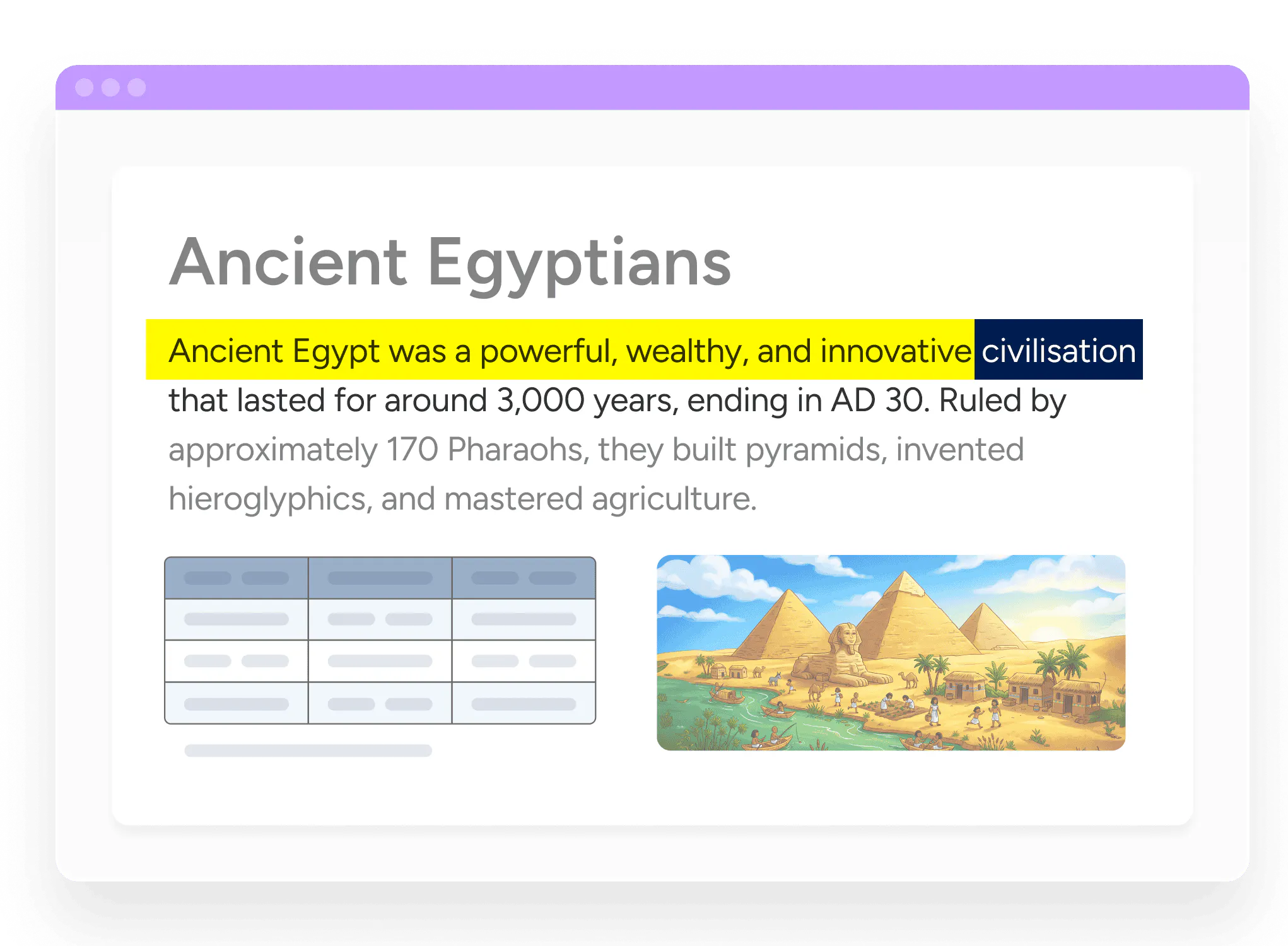
Text-to-speech for websites, documents, and PDFs
Speech-to-text to support students who find typing challenging
Reading comprehension and vocabulary tools
Study and research support tools
Supports independent learning for all students

OrbitNote turns PDFs into flexible, interactive learning materials, helping students access and engage with content in ways that work for them.
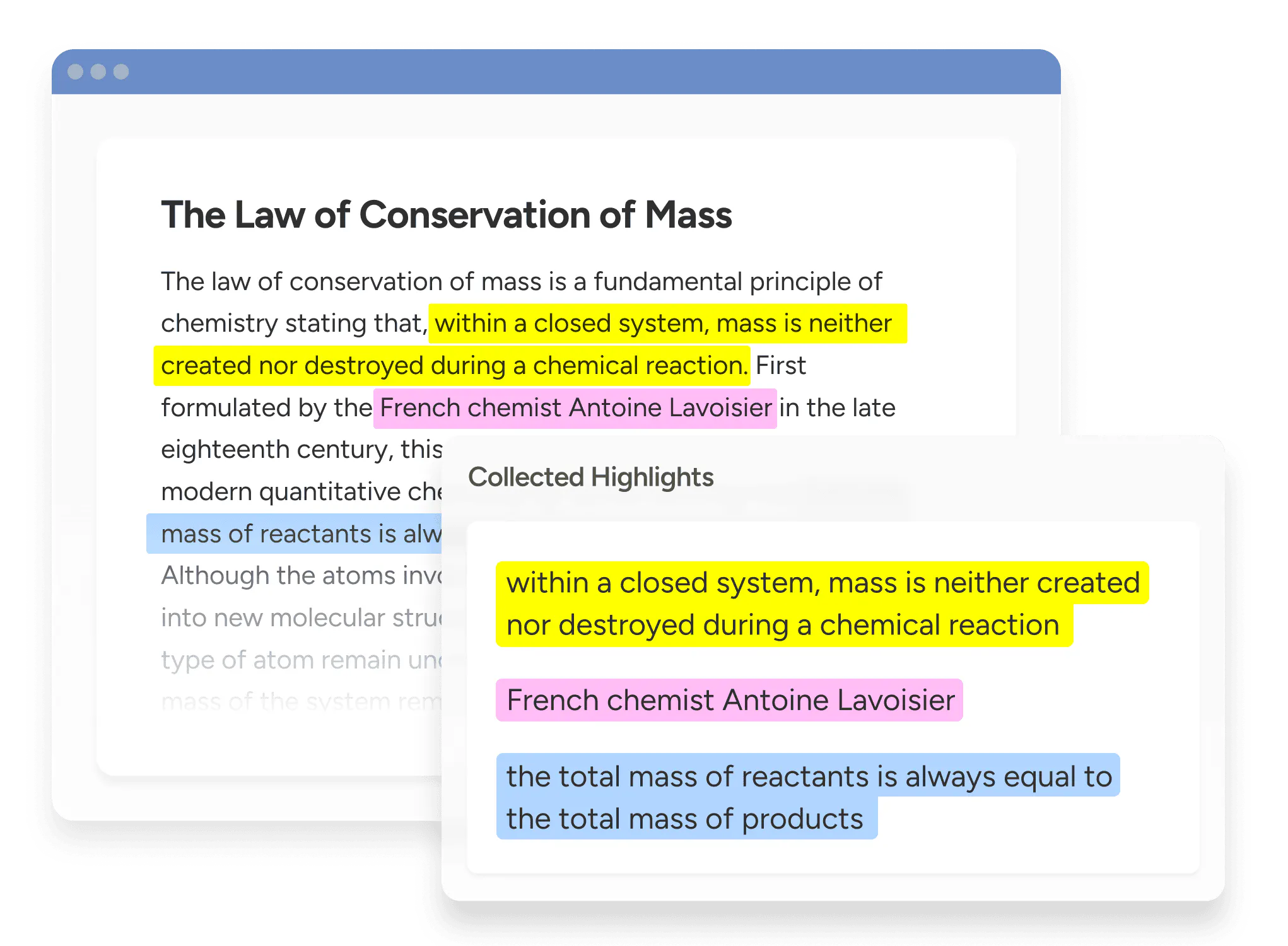
Text-to-speech for PDF documents
Annotation, highlighting and note-taking tools
Accessible document workflows for disability, accessibility and library teams
Supports flexible access to learning materials for all students while improving accessibility for students with reading and information processing differences

Equatio helps students express mathematical and scientific notation in ways that work for them.
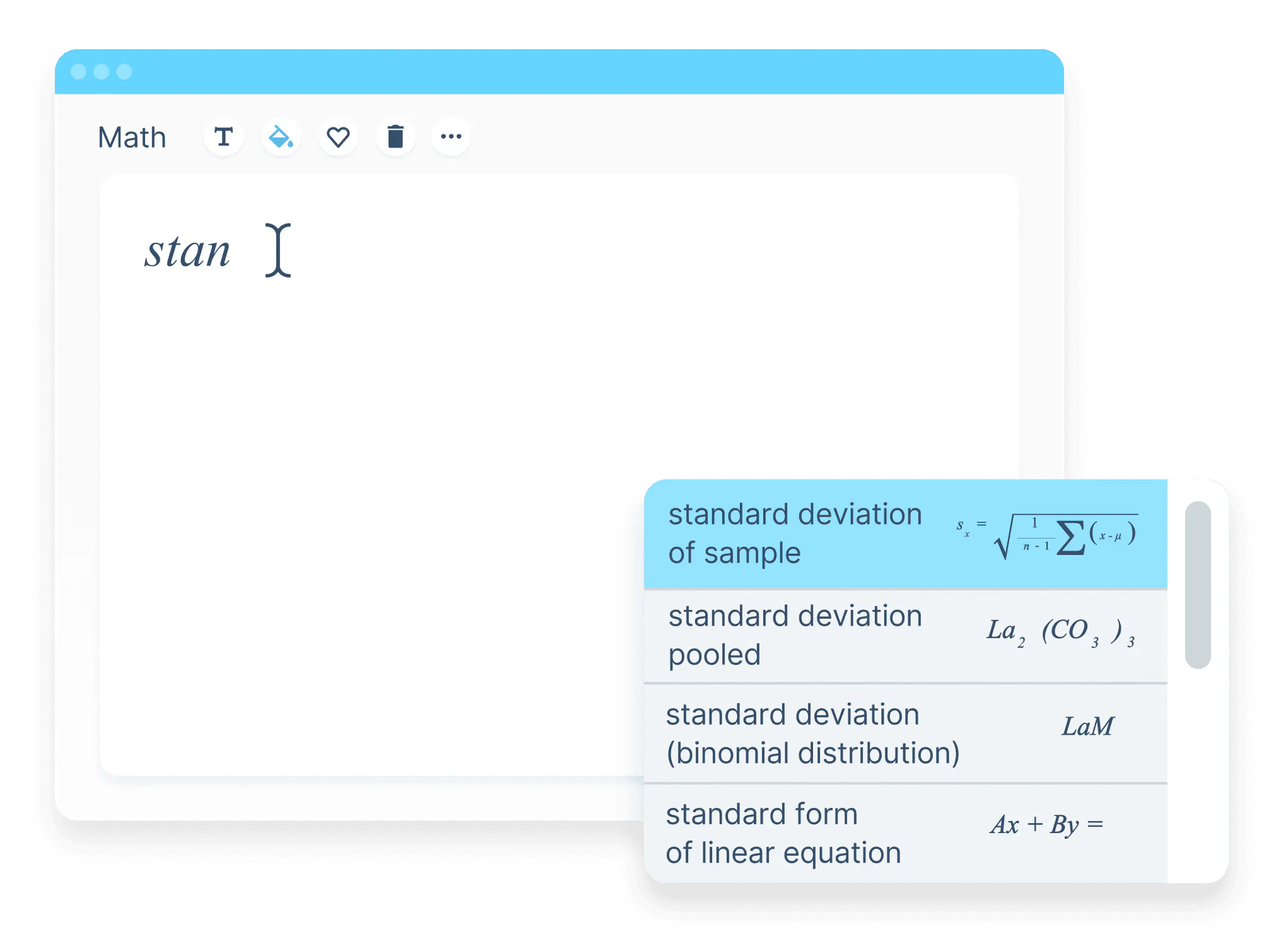
Speech-to-maths input for accessible equation creation
Digital mathematical notation and formula editing
Works with Google Docs, Microsoft Word and common learning platforms
Helps students demonstrate mathematical and scientific thinking with confidence through more accessible STEM learning
Everway partners with universities across Australia and New Zealand to create more accessible, inclusive and neuroinclusive learning experiences for every student.






For learning and teaching teams and learning designers, Everway helps build accessibility into course design and everyday teaching, giving students flexible ways to access information, participate and demonstrate what they know.

For disability, accessibility and student support teams, Everway helps deliver access plans and reasonable adjustments, giving students tools to access content, develop independence and succeed throughout their studies.

For digital learning, edtech and IT teams, Everway integrates with the platforms universities already use, making it easier to embed accessibility across the digital learning environment and support institution-wide adoption.

For exams and assessment teams, libraries and learning resource managers, Everway supports more accessible assessment and flexible access to digital learning resources, helping students demonstrate what they know.
Neuroinclusion in higher education means recognising that students think, process information and engage with learning in different ways. Neurodivergent students, including students with dyslexia, ADHD, autism, dyspraxia, dyscalculia, and other learning differences, bring different strengths and ways of engaging with learning.
By building flexibility into learning from the outset, universities can support more equitable participation and help more students show what they know.

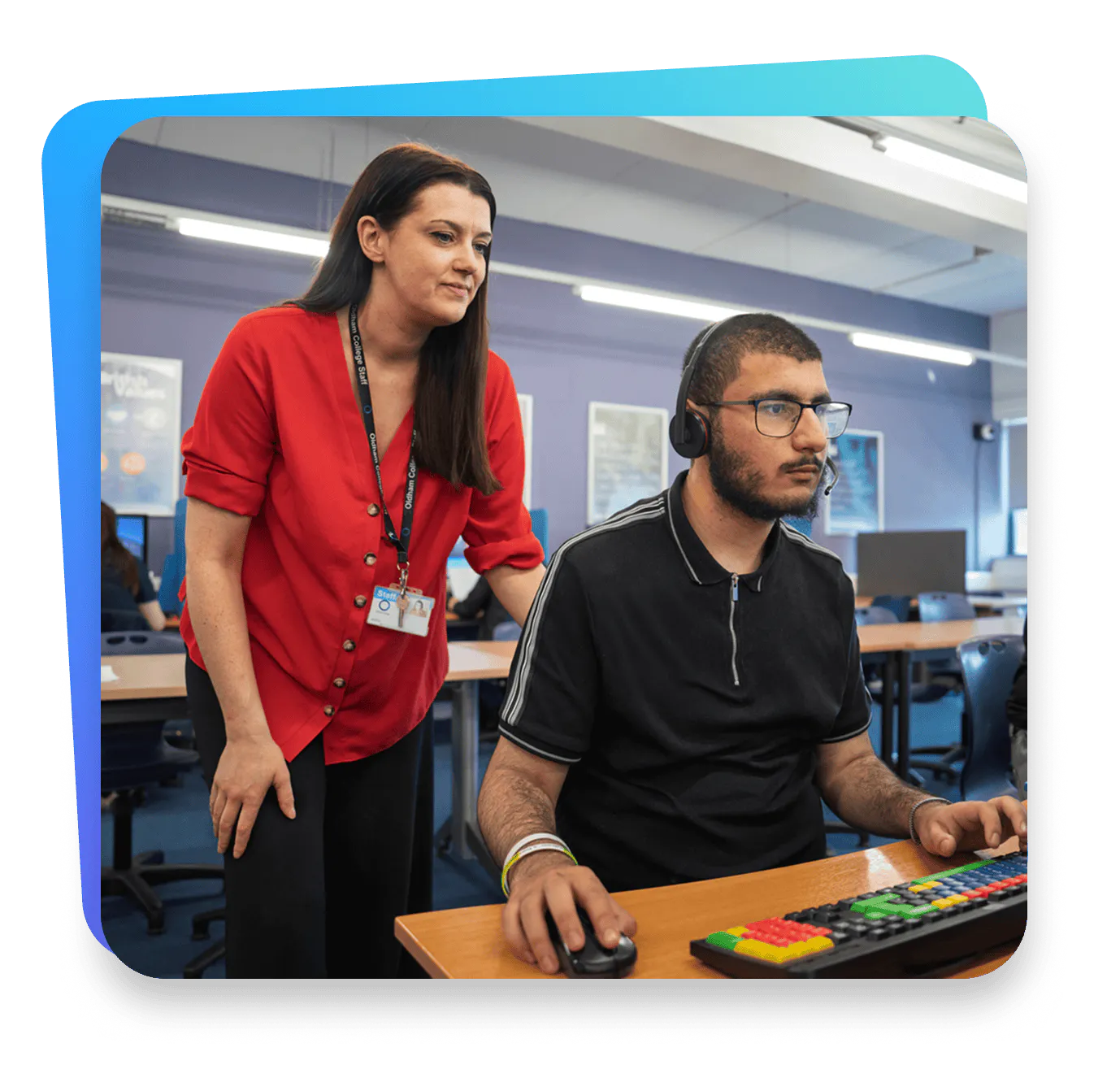
Universities across Australia and New Zealand are committed to creating inclusive learning environments where students with disabilities can participate on the same basis as their peers.
In Australia, these responsibilities are supported by the Disability Discrimination Act 1992 and the Disability Standards for Education 2005.
In New Zealand, tertiary providers are guided by the Human Rights Act 1993 and the Education and Training Act 2020.
AI has the potential to improve access to learning, but only when it removes barriers instead of creating new ones. That depends on transparent AI in higher education, where students and staff can see how a tool works, what informs its outputs, and where its limits are.
AI should remove barriers, not create new ones. That's why Everway uses AI in ways that support independent learning while remaining transparent about how features work and where human judgement matters. Read more in our Responsible AI commitments and our blog on AI in education and neuroinclusive learning.
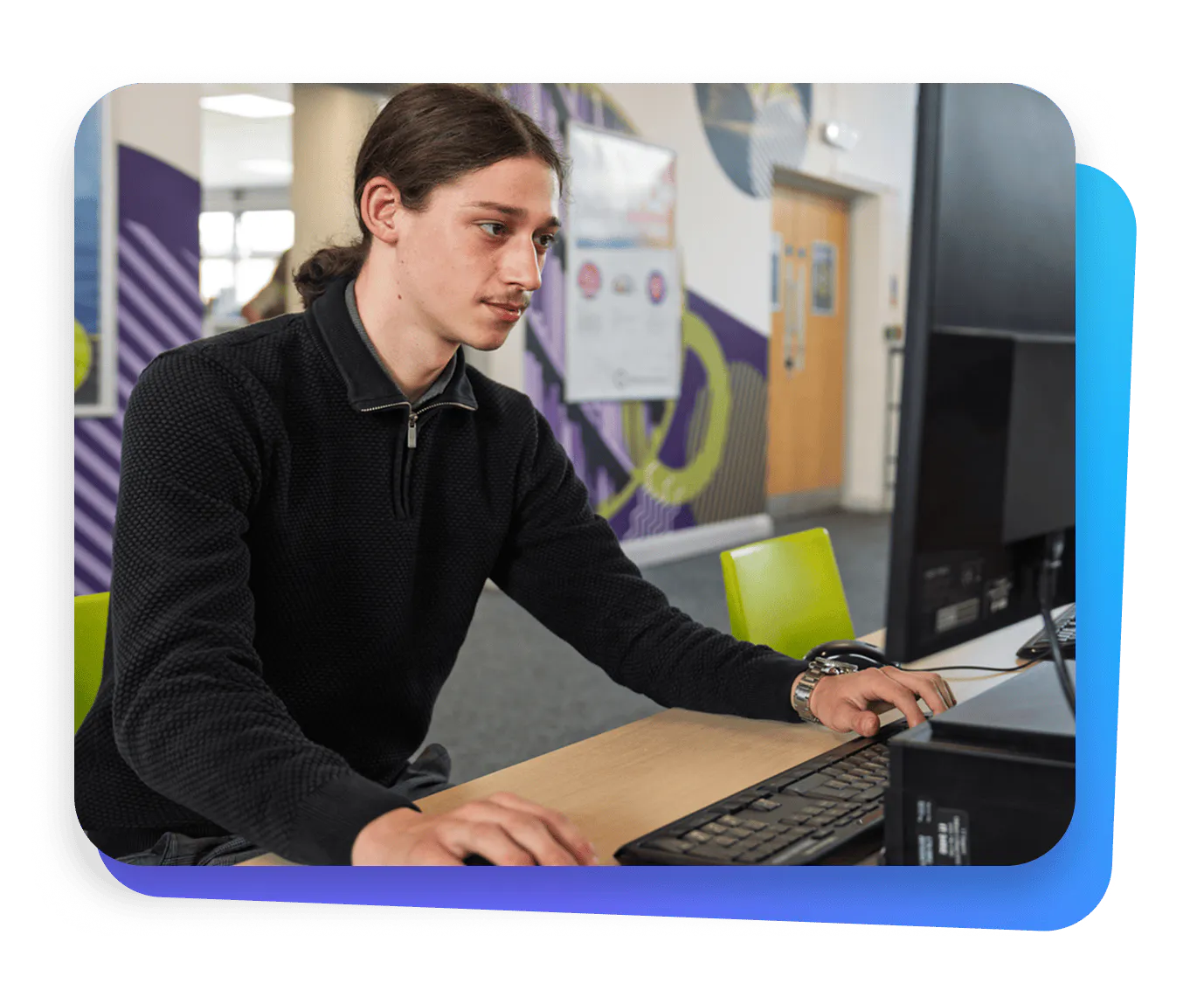
Whether you're strengthening accessibility across your institution, improving how reasonable adjustments are delivered, or exploring more neuroinclusive approaches to teaching and learning, we're here to help.
Reasonable adjustments are changes that universities and tertiary providers across Australia and New Zealand make to remove barriers for students with disability and support equitable participation in learning. These may include accessible course materials, alternative assessment arrangements, assistive technology and adapted teaching or learning approaches.
In Australia, reasonable adjustments are supported by the Disability Discrimination Act 1992 and the Disability Standards for Education 2005. In New Zealand, tertiary providers have obligations under the Human Rights Act 1993 and the Education and Training Act 2020 to provide equitable access to education for students with disability. The purpose of reasonable adjustments is to ensure students with disabilities can participate in their studies on the same basis as other students.
Everway's tools help universities and tertiary providers across Australia and New Zealand put accessible and inclusive learning into practice. Read&Write, OrbitNote and Equatio support the delivery of reasonable adjustments and accessible learning by helping students read, write, interact with digital content and participate confidently in STEM learning.
For Australian institutions, our tools support the practical implementation of the Disability Standards for Education 2005. For New Zealand providers, they help create more inclusive learning environments that support equitable participation for all students.
Yes. Many universities choose to make Everway's tools available across their institution as part of their approach to accessible and neuroinclusive learning.
While the tools play an important role in supporting reasonable adjustments for students with disability, they also benefit many other students by providing more flexible ways to read, write, engage with course materials and demonstrate what they know. Institution-wide access can help create more inclusive learning experiences while ensuring personalised support remains available where it's needed.
Necessary for some. Useful for all.
Our products are used by students with a wide range of learning differences and disabilities, including dyslexia, ADHD, autism, dyspraxia, dyscalculia, and physical disabilities affecting written output. They also support students from culturally and linguistically diverse backgrounds and any student who benefits from more flexible ways of accessing and engaging with content.
Yes. Whether your institution uses Access Plans, Learning Access Plans or another process for documenting reasonable adjustments, Read&Write, OrbitNote and Equatio provide practical support for accessible reading, writing, document interaction and STEM learning.
Yes. Everway's products integrate with the platforms commonly used across higher education, including Google Workspace, Microsoft 365, Canvas, and Moodle.


