Adoption impact study
How Mosaic Schools Learning Trust improved inclusive learning with Read&Write
Discover how nine primary schools used Read&Write to strengthen everyday classroom support, helping more than 600 pupils become more confident, independent learners.


150%
improvement in access to tools
that help pupils turn their ideas into writing

133%
improvement in pupils
having a choice in how they engage with learning

131%
improvement in access to tools
for checking and improving their own writing
88%
improvement in teachers
having the tools to support all learners
72%
improvement in pupils who need support
being able to take ownership of their learning
Figures show changes in teacher survey ratings from baseline to the end of the first year, rather than percentage-point increases or changes in pupil attainment.
Making everyday learning more inclusive
Every pupil learns differently. But when classroom activities rely on the same approach for everyone, some pupils can face barriers to reading, writing and expressing their ideas.
Mosaic Schools Learning Trust worked with Everway to explore how Read&Write could strengthen universal provision, making helpful learning tools available to all pupils as part of everyday teaching.
The impact study followed the first year of Read&Write use across nine primary schools, involving 22 Year four classes and more than 600 pupils.
The findings show improvements in access to reading and writing support, alongside greater pupil confidence, engagement and independence.
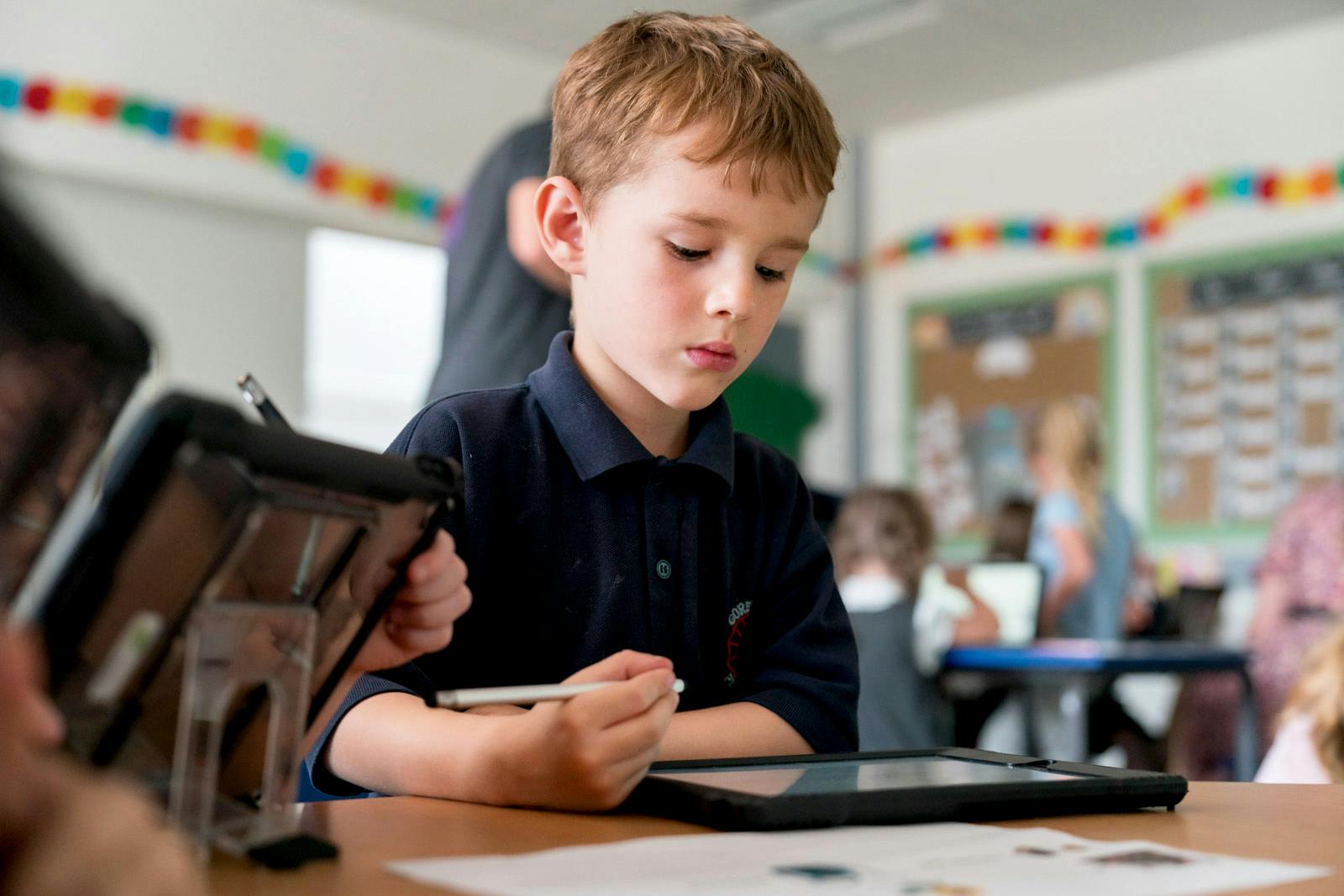
Helping pupils express their ideas with confidence
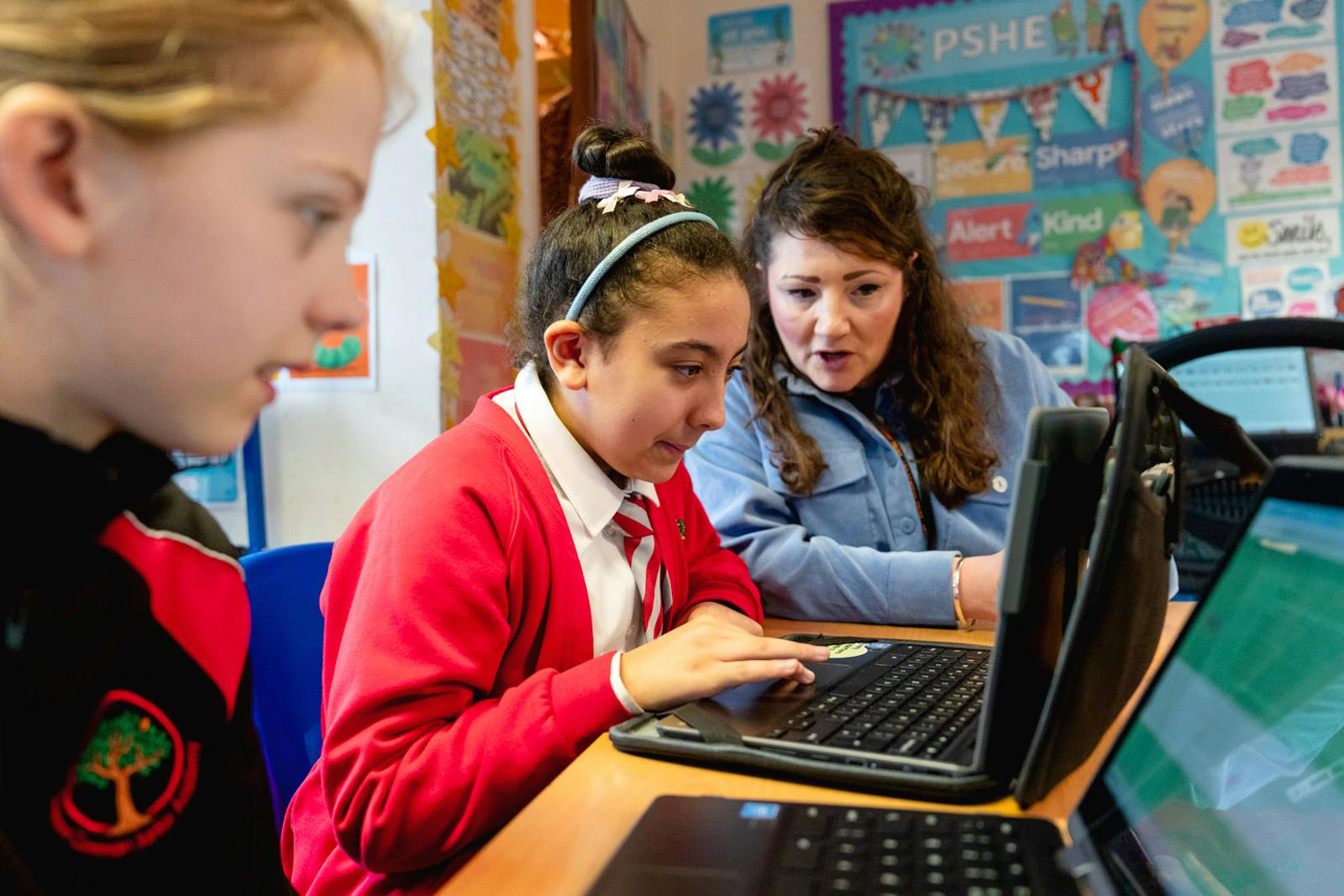
Writing can be challenging when pupils have ideas to share but find it difficult to put them into words.
With Read&Write, pupils can use speech-to-text, spelling support, vocabulary tools and text-to-speech to plan, write and review their work.
After one year, teacher survey ratings showed:
- A 150% improvement in access to tools that help pupils turn thoughts and ideas into writing.
- A 118% improvement in access to immediate spelling and grammar feedback.
- A 131% improvement in access to tools for checking, proofreading and redrafting.
Teachers also reported improvements in writing quality, word choice and pupils' ability to work independently.
"Greater independence and agency when editing their own work. Most children have responded positively to having the tool to self-edit, focusing on their own particular targets."
Giving pupils more independence in the classroom
When pupils can access support for themselves, they have more choice in how they learn.
Read&Write gives pupils tools to listen to text, check unfamiliar words, review their writing and make changes without always needing help from a teacher or classmate.
Following the first year of use, teacher survey ratings showed a 72% improvement in pupils who need support being able to take ownership of their learning.
Ratings also improved for pupils being less reliant on adults or peers for reading support (34%) and writing support (44%).
One pupil explained the difference this made:

"It will say difficult words for me that I cannot read on my own so I don't have to ask, that's embarrassing."
Supporting reading and understanding across the curriculum

Reading support matters in every subject.
Teachers across Mosaic schools used Read&Write during English, maths, guided reading and other classroom activities.
Pupils could listen to text, hear unfamiliar words pronounced and use dictionaries to understand new vocabulary.
The study found:
- A 65% improvement in immediate access to correct pronunciation of new vocabulary.
- A 47% improvement in immediate access to reading comprehension tools.
- A 46% improvement in immediate access to dictionary definitions.
Teachers described how these tools helped pupils engage with reading tasks and understand classroom materials.
"With guided reading. They have been able to successfully use dictionaries to understand vocabulary in texts."
Helping teachers meet different learning needs
Inclusive teaching works best when pupils can access the support they need as part of everyday lessons.
By making Read&Write available across classrooms, Mosaic schools gave pupils different ways to read, write and take part in learning.
Teachers reported that Read&Write helped pupils who needed support with spelling, handwriting, reading and written expression. They also described benefits for pupils learning English as an additional language.
Teacher survey ratings showed an 88% improvement in having the tools to support all learners and meet their needs.
The study also recorded improvements in reduced frustration and stigma around receiving individual support.

"One tool, many different ways it can be used."
More choice, engagement and motivation

When pupils have tools that work for them, they can take a more active role in learning.
Mosaic teachers reported that pupils were more willing to begin tasks, stay focused and complete reading and writing activities.
After one year, teacher survey ratings showed:
- A 133% improvement in pupils having a choice in how they engage with learning.
- A 60% improvement in attention and persistence during reading and writing.
- A 48% improvement in motivation to produce high-quality responses.
Pupils also shared how Read&Write had changed their experience of writing.
"I couldn't write like this before. I get my ideas down and then I can correct any mistakes."
What the study tells us about inclusive learning
Mosaic Schools Learning Trust's first-year findings show the value of making reading and writing support part of everyday classroom teaching.
Teachers reported better access to learning tools, greater pupil independence and more ways to support different learning needs.
Pupil feedback also shows the personal impact. Being able to understand a text, express an idea or complete a task independently can make a meaningful difference to how pupils experience learning.
The study provides encouraging evidence of how Read&Write can support stronger universal provision across primary schools.
Make learning more accessible for every pupil
Read&Write gives pupils flexible tools to support reading, writing and understanding across the curriculum.
Chat to our team to find out how Everway can help your school or trust build a more inclusive learning environment.