Accessible learning for every student in higher education

We support higher education institutions across the UK with tools that remove barriers to learning, help teams deliver reasonable adjustments at scale, and enable students to engage with content on their own terms.

Student using a laptop with accessibility tools for audio playback, word prediction, and math support, illustrating technology that helps learners read, write, and solve equations.

Supporting student success through neuroinclusion

Creating a more neuroinclusive university is about giving students the flexibility to access content, communicate their ideas and take part in learning with greater independence.

From reading and writing support to accessible PDF documents and STEM learning, our tools fit into the platforms students and staff already use, making it easier to deliver reasonable adjustments and support more students with confidence.

Two student portrait photos displayed side by side, showing young adults in a school setting to represent learner profiles or student identity.

Tools that deliver reasonable adjustments in practice

Under the Equality Act 2010, higher education institutions have a responsibility to provide reasonable adjustments for disabled students and to remove barriers to participation.

Our products are built to support exactly that, helping institutions move from policy to practice in ways that are scalable, consistent, and student-centred.

Read&Write logo

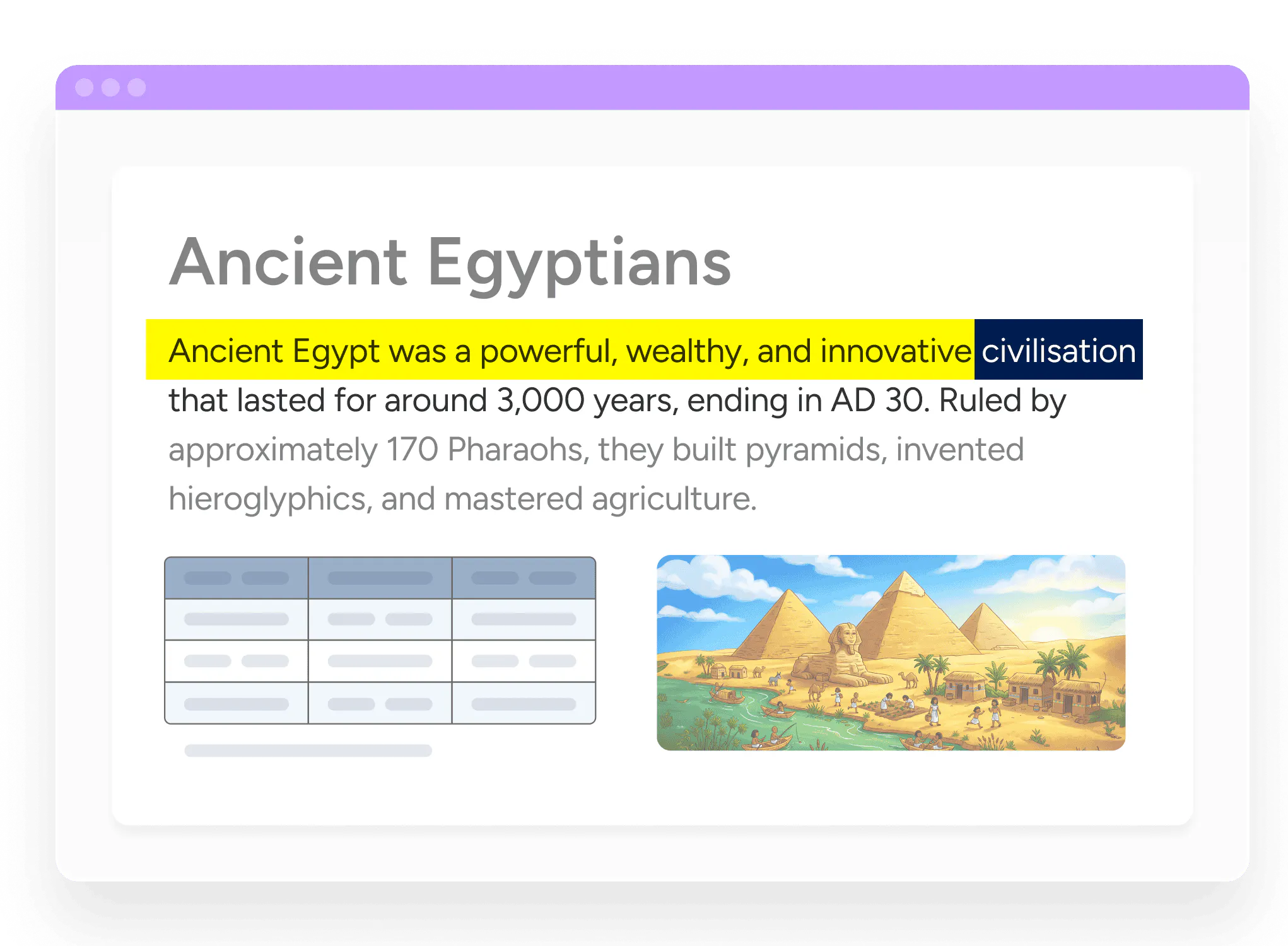
Read&Write helps students access course materials, express their ideas with confidence and build study strategies that work for them.

Educational webpage about Ancient Egyptians with highlighted text emphasizing their powerful, wealthy, and innovative civilization, alongside a comparison table and an illustration of the pyramids and the Sphinx.

Key features for higher education

Text-to-speech for websites, documents, and PDFs

Speech-to-text to support students who find typing challenging

Reading comprehension and vocabulary tools

Study and research support tools

Supports independent learning for all students

OrbitNote Logo

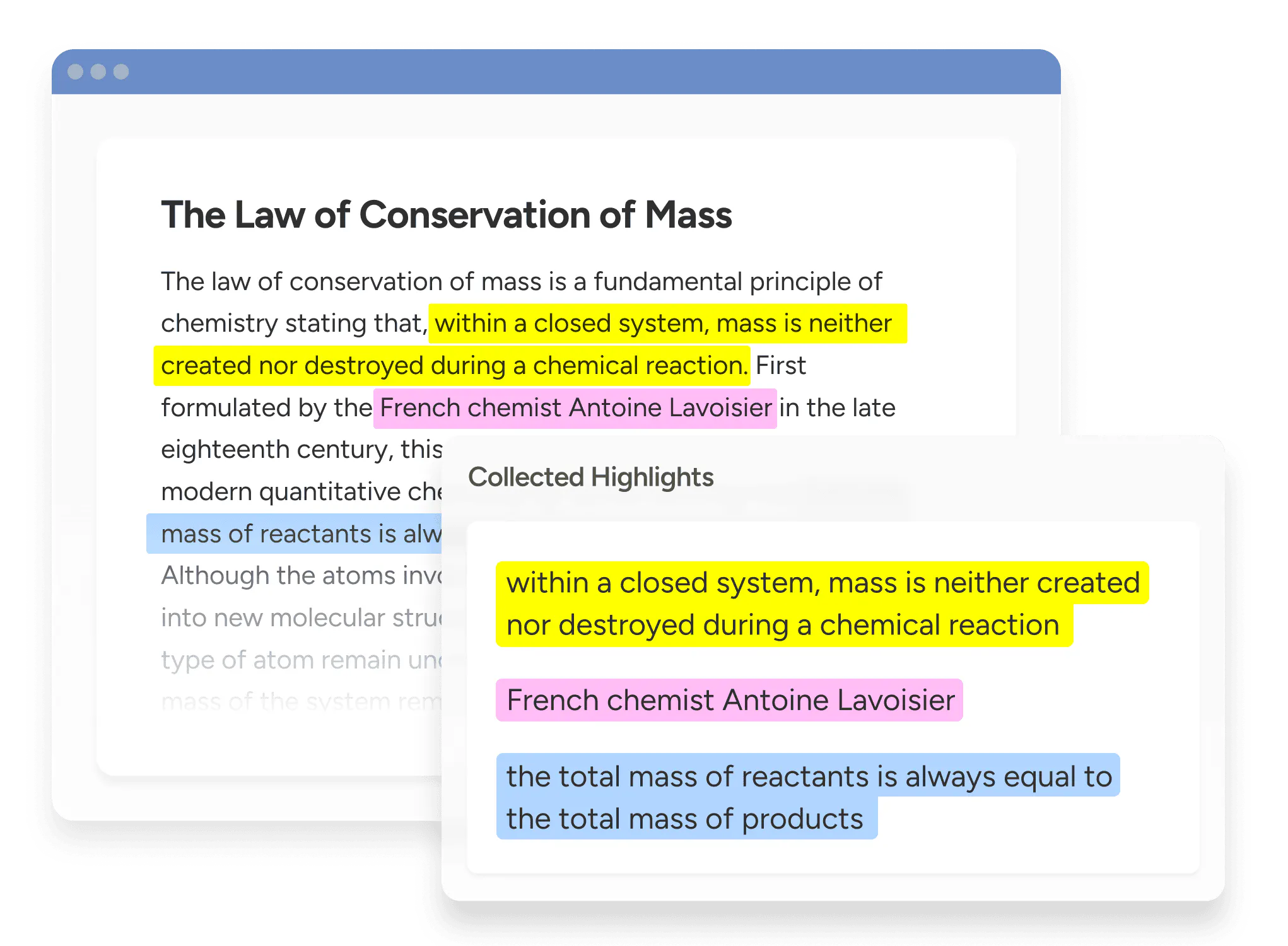
OrbitNote turns PDFs into flexible, interactive learning materials, helping students access and engage with content in ways that work for them.

Educational page explaining the Law of Conservation of Mass with color-coded highlighted text and a panel collecting key highlights, including the principle that mass is neither created nor destroyed in a chemical reaction.

Key features for higher education

Text-to-speech for PDF documents

Annotation, highlighting and note-taking tools

Accessible document workflows for disability, accessibility and library teams

Supports flexible access to learning materials for all students while improving accessibility for students with reading and information processing differences

Equatio logo

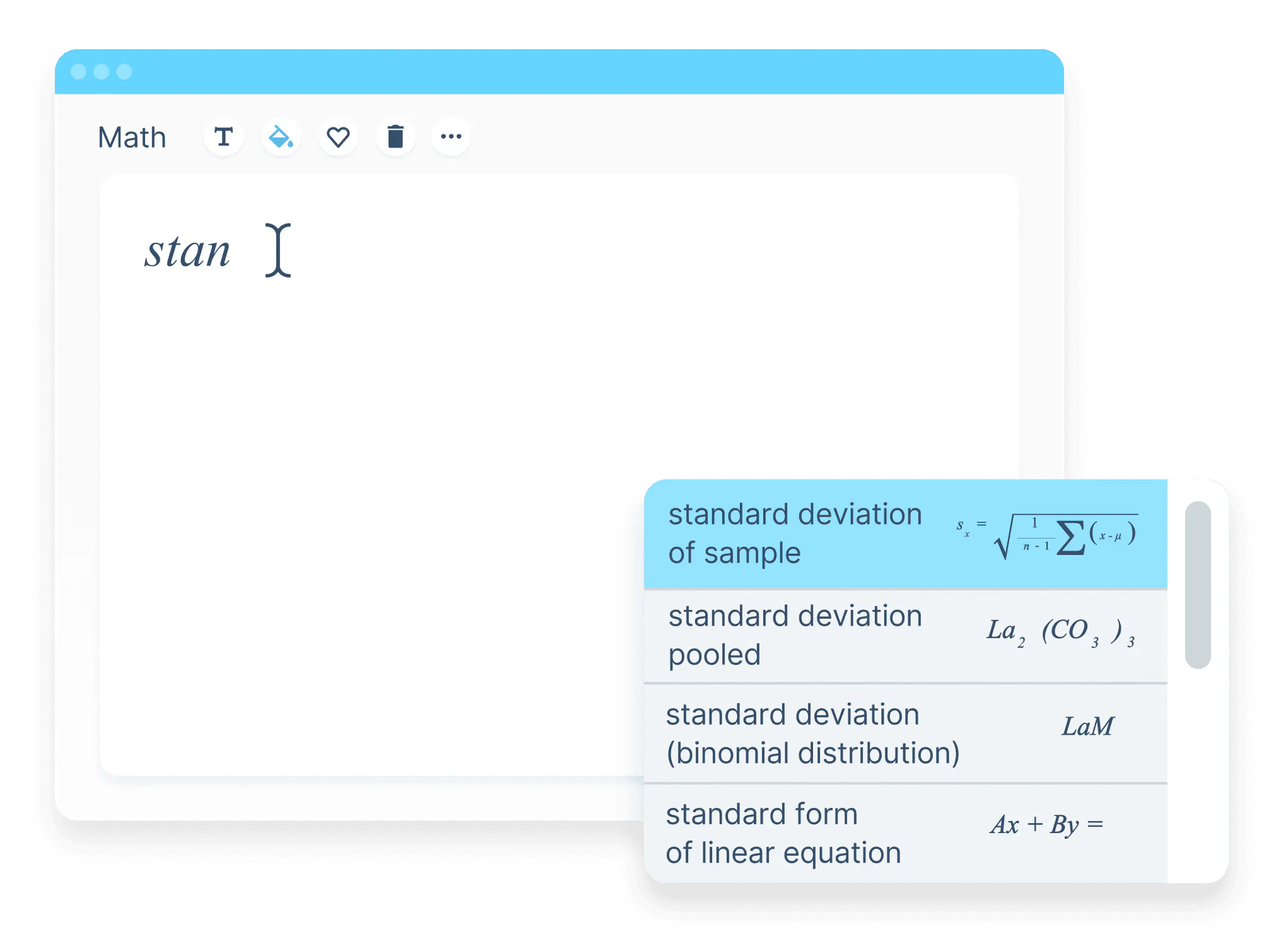
Equatio helps students express mathematical and scientific notation in ways that work for them.

Math editor with equation autocomplete suggestions, showing "standard deviation of sample" selected as the user types a statistical notation.

Key features for higher education

Speech-to-maths input for accessible equation creation

Digital mathematical notation and formula editing

Works with Google Docs, Microsoft Word and common learning platforms

Helps students demonstrate mathematical and scientific thinking with confidence through more accessible STEM learning

Built for the teams that create accessible learning

Number 1 icon

For disability and accessibility services teams, Read&Write and OrbitNote support the delivery of reasonable adjustments for a wide range of students, without manual workarounds or fragmented provision.

For learning support practitioners, the tools embed naturally into one-to-one and group support settings, giving practitioners practical ways to build student confidence and independence.

For digital learning and edtech teams, Everway integrates with the platforms institutions already use, including Google Workspace, Microsoft 365, and Canvas, making implementation straightforward.

For library and learning resource managers, OrbitNote supports accessible document provision across collections and reading lists.

Neuroinclusion in higher education

Neuroinclusion is not a tick-box exercise. It is about designing university environments where neurodivergent students, those with dyslexia, ADHD, autism, dyspraxia, dyscalculia, and other learning differences, can participate and progress without having to work around systems that were not designed for them.

Everway's tools support neuroinclusion in higher education by addressing the specific barriers students encounter in reading, writing, note-taking, document access, and STEM learning, and by giving students greater control over how they engage with their studies.


Student using a laptop in a classroom, with other students working in the background, illustrating focused learning in a higher education setting.

AI in Higher Education

For student disability and accessibility services teams, AI tools for higher education need to remove barriers to access for disabled and neurodivergent students, rather than introducing new ones. That means transparent AI in higher education, where students and staff understand how a tool works, what data it uses, and where its limitations lie, and where human judgement from disability services and learning support teams remains central.

AI should help remove barriers, support independent learning and remain transparent about how it works. Students and staff should understand when AI is assisting them, and human judgement should always remain central to decisions about learning support. Read our Responsible AI commitments and our blog on AI in education and neuroinclusive learning.

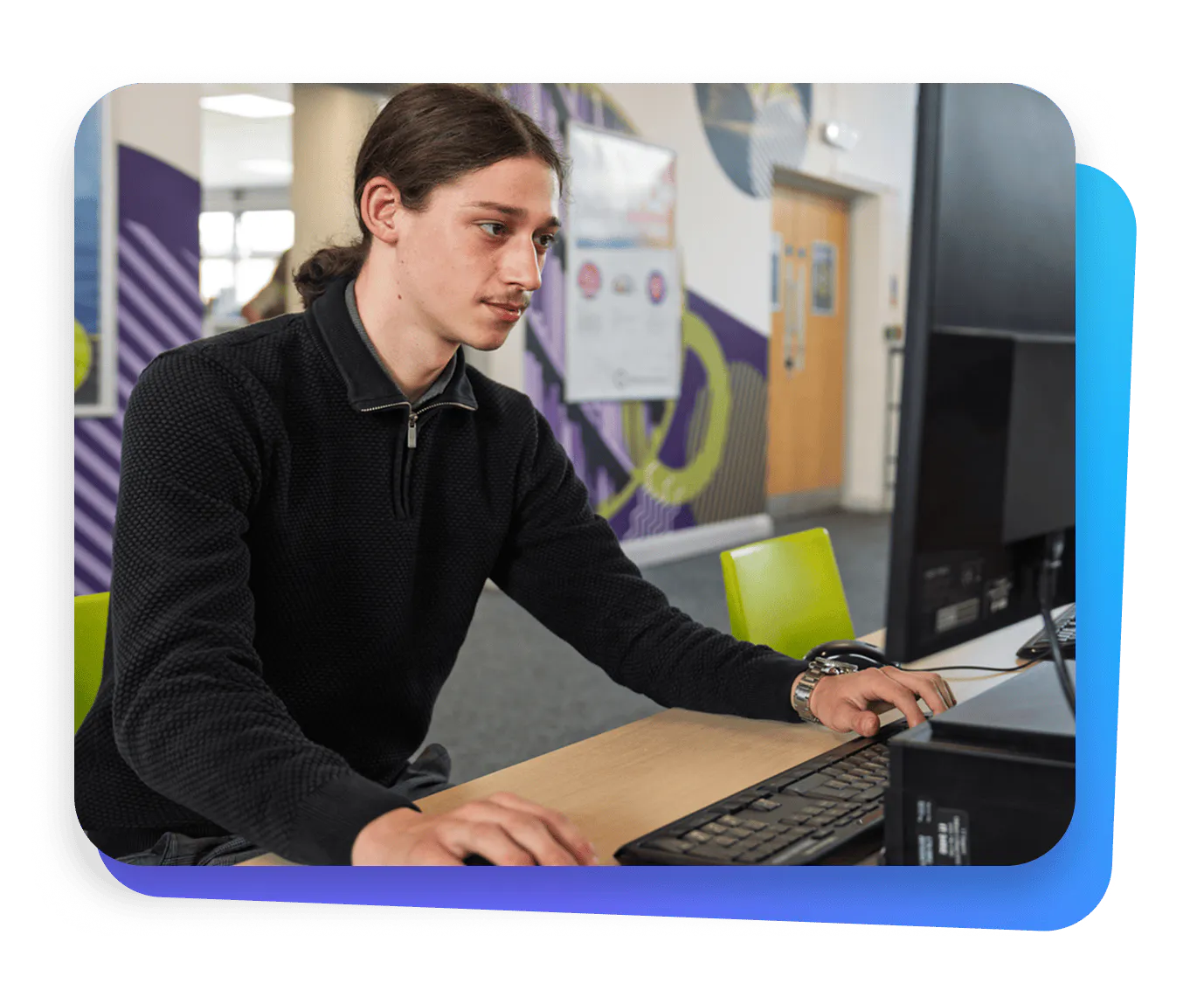
Student using a desktop computer in a campus learning space, focused on completing work, illustrating the use of AI and technology in higher education.

What sets Everway apart

Talk to our higher education team

Whether you're strengthening accessibility across your institution, improving how reasonable adjustments are delivered, or exploring more neuroinclusive approaches to teaching and learning, we're here to help.

Reasonable Adjustments in Higher Education:
Frequently Asked Questions

Reasonable adjustments are changes that universities are required to make under the Equality Act 2010 to remove or reduce barriers that disabled students might otherwise face. In a higher education context, this can include accessible formats for course materials, extra time or alternative methods for assessments, accessible technology to support reading and writing, and adapted approaches to teaching and learning.

The aim is to ensure that disabled students can access and participate in their studies on the same basis as their peers.

Everway's tools are designed to support the practical delivery of reasonable adjustments as required under the Equality Act 2010. Read&Write, OrbitNote, and Equatio remove barriers to reading, writing, document access, and STEM participation, enabling universities to meet their obligations to disabled students in a consistent and scalable way.

Everway's products are used by a wide range of students in higher education, including those with dyslexia, ADHD, autism, dyspraxia, dyscalculia, and other learning differences, as well as students with physical disabilities, those with mental health conditions that affect study, and English as an Additional Language learners. The tools are also of value to all students who benefit from flexible, accessible ways of engaging with content.

Yes. Everway's products integrate with the platforms and tools commonly used in UK higher education, including Google Workspace, Microsoft 365, and major virtual learning environments. Your digital learning team can advise on integration options.

Everway works with universities to support both individual student needs and broader accessibility strategies. Our tools are designed to complement the work of disability services, learning support, and digital teams rather than replace existing provision.