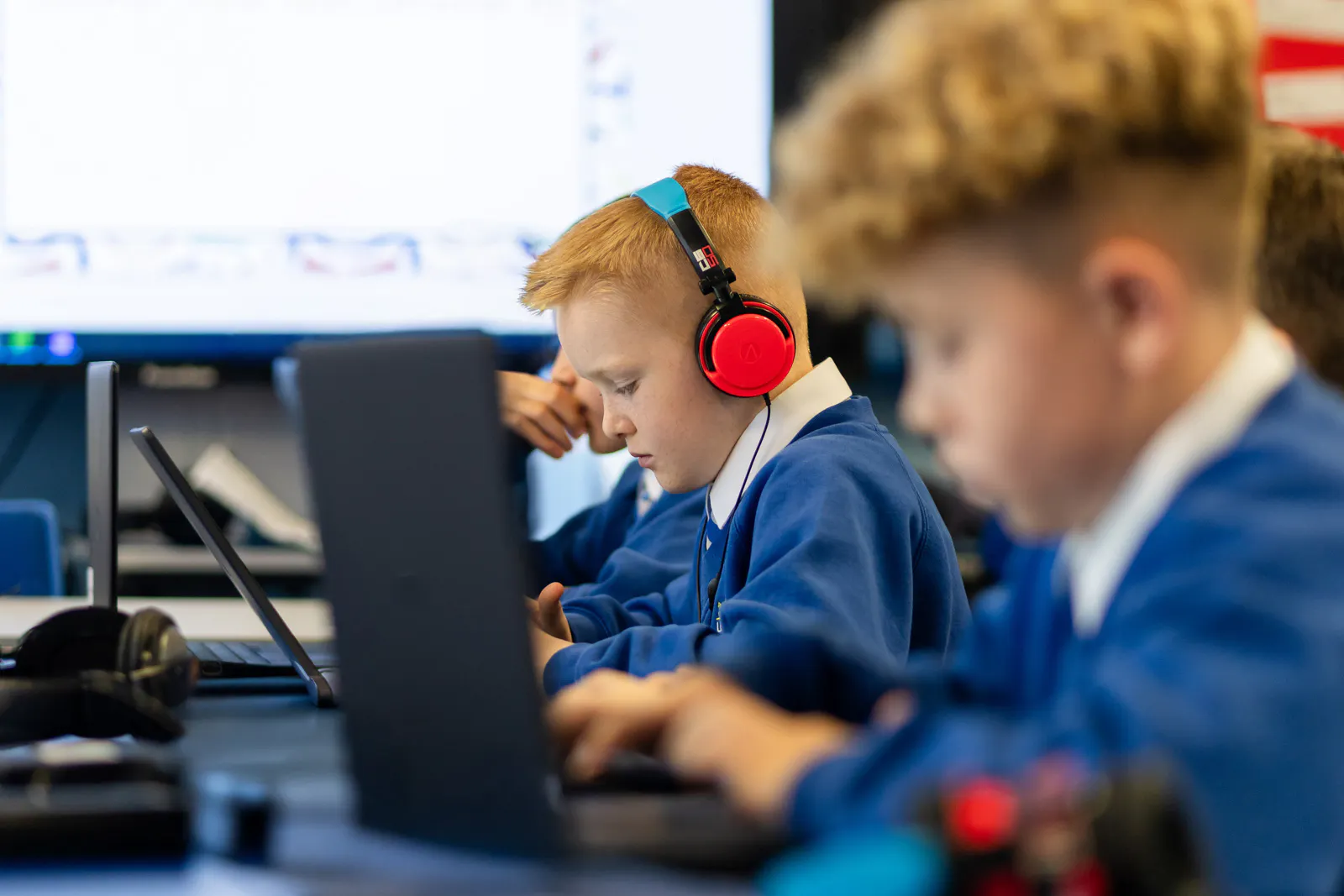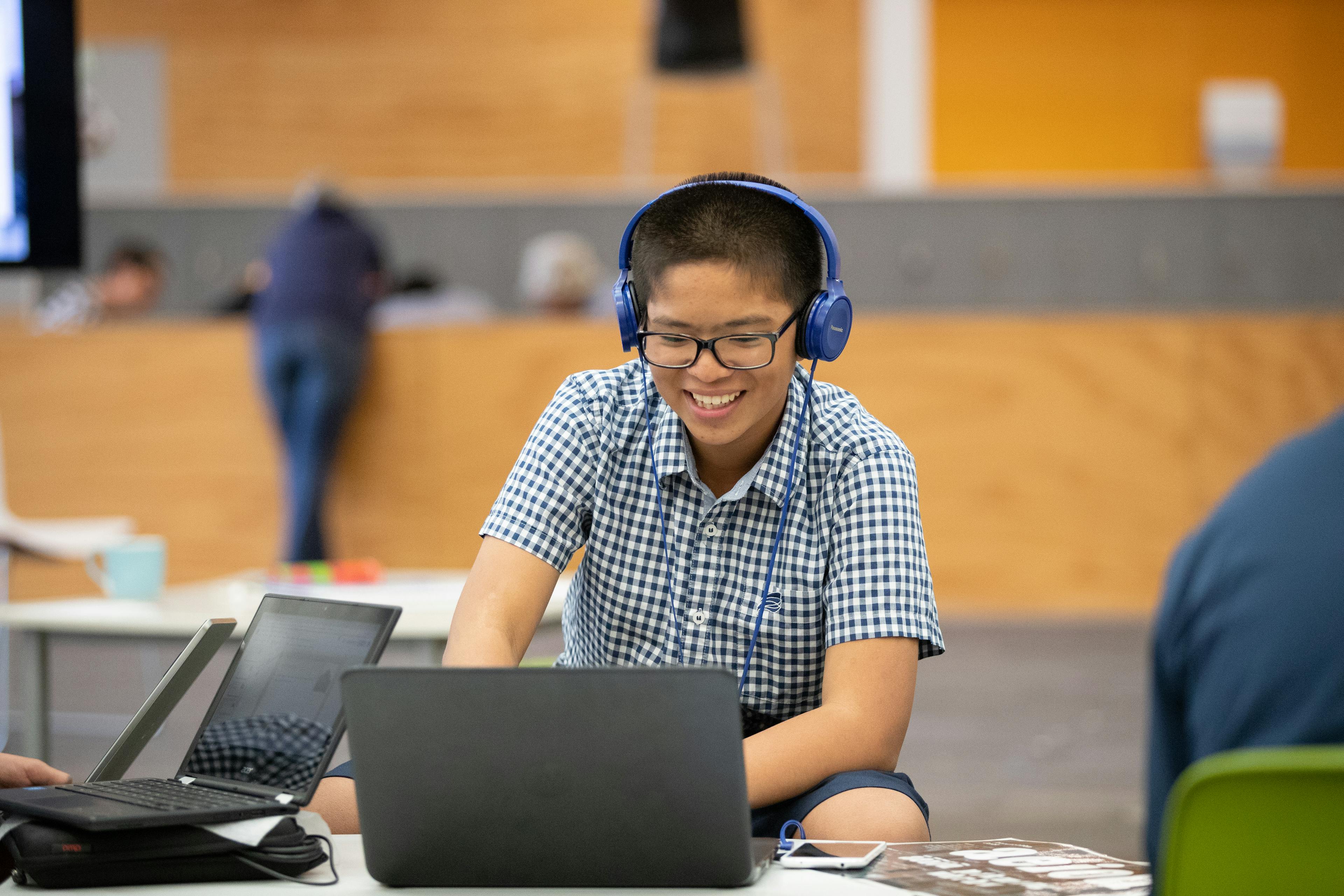

Research on how text-to-speech (TTS) supports reading access, how it relates to student understanding and comprehension, and how it is used alongside ongoing reading instruction.
For some students reading printed text is the main barrier to learning, even when they understand spoken language well. As texts become longer and more complex across grade levels, this gap can make it harder to keep up with classroom learning
This research is most useful for K-12 and higher education leaders and teachers shaping how assistive technology is used to support reading access.
Settings where text-to-speech has been examined
Research and classroom guidance highlight several settings where TTS is used. The strength of evidence varies across different learner groups and contexts.
When reading printed text limits access to meaning
Some learners understand spoken language more easily than printed text. Studies show that students with reading difficulties may perform better on comprehension tasks when text is read aloud.
In classrooms, TTS is often used to support access to content while reading skills continue to be taught through instruction.
When reading demands increase across grade levels
Research involving secondary and postsecondary students suggests TTS is often used as an access support when text demands are higher.
In these contexts, TTS is most often described as an access support rather than a tool for teaching early reading skills.
When independent reading is challenging
Some studies suggest that listening to text can reduce the effort required to process written language.
While research does not directly measure fatigue or avoidance, reducing the effort involved in reading may help some learners stay engaged with content for longer periods.
Additional contexts where text-to-speech is used
The research base is strongest for students with identified reading disabilities. In practice, TTS is also used to support:
- Students who struggle with reading across subject areas, even without a formal plan
- Multilingual learners who benefit from hearing academic language read aloud
- Learners who benefit from accessing text in more than one way
- Students with visual impairments who rely on digital audio access
Key findings from the research
Research on TTS highlights several consistent themes that are relevant for educators, school leaders, and higher education settings.
1. Audio support, like Text-to-speech, can support access to meaning
Across multiple studies, students with reading difficulties often demonstrate stronger understanding of content when text is read aloud compared to reading without.
For educators, this suggests that TTS can help some learners engage with grade-level material while reading skills continue to develop.
2. Text-to-speech supports access, not replacement of instruction
Studies consistently describe TTS as an access support rather than a substitute for reading instruction.
It allows learners to participate in learning tasks that rely heavily on written text, while structured instruction in reading continues alongside it.
For leaders, this distinction matters when setting policy and expectations for classroom use.
3. Impact depends on how it is used
Research findings vary across contexts. Differences across studies include:
- Variation in study design
- Learner interaction with audio support
- The type of task or assessment
This reinforces an important point that the tool alone does not drive outcomes. Its use within everyday learning routines makes a difference.
4. Assessment and exam use requires careful interpretation
In testing contexts, students with reading-based learning disabilities often show larger score increases when text is read aloud.
However, higher scores under audio conditions reflect improved access to content. They should not be interpreted as growth in underlying reading skills.
For leaders, this distinction is important when considering accommodations and reporting practices.
5. Additional features may support engagement
Some studies compare audio alone with audio plus visual tracking features such as word highlighting.
Audio presentation appears to be the primary factor associated with comprehension differences in research settings. In these studies, adding highlighting did not consistently change comprehension scores. However, whether highlighting adds value beyond the audio component, and for which learners, remains an open question that would need to be further explored.
What this means for educators and leaders
Overall, this research suggests several considerations for practice.
- Text-to-speech may support access to text when decoding limits participation
- Its primary role is as an access support, not a standalone instructional intervention
- Outcomes vary based on how learners interact with audio support
- Research does not identify a single optimal model of use. Flexible learner control is commonly included in practice to support alignment with task demands
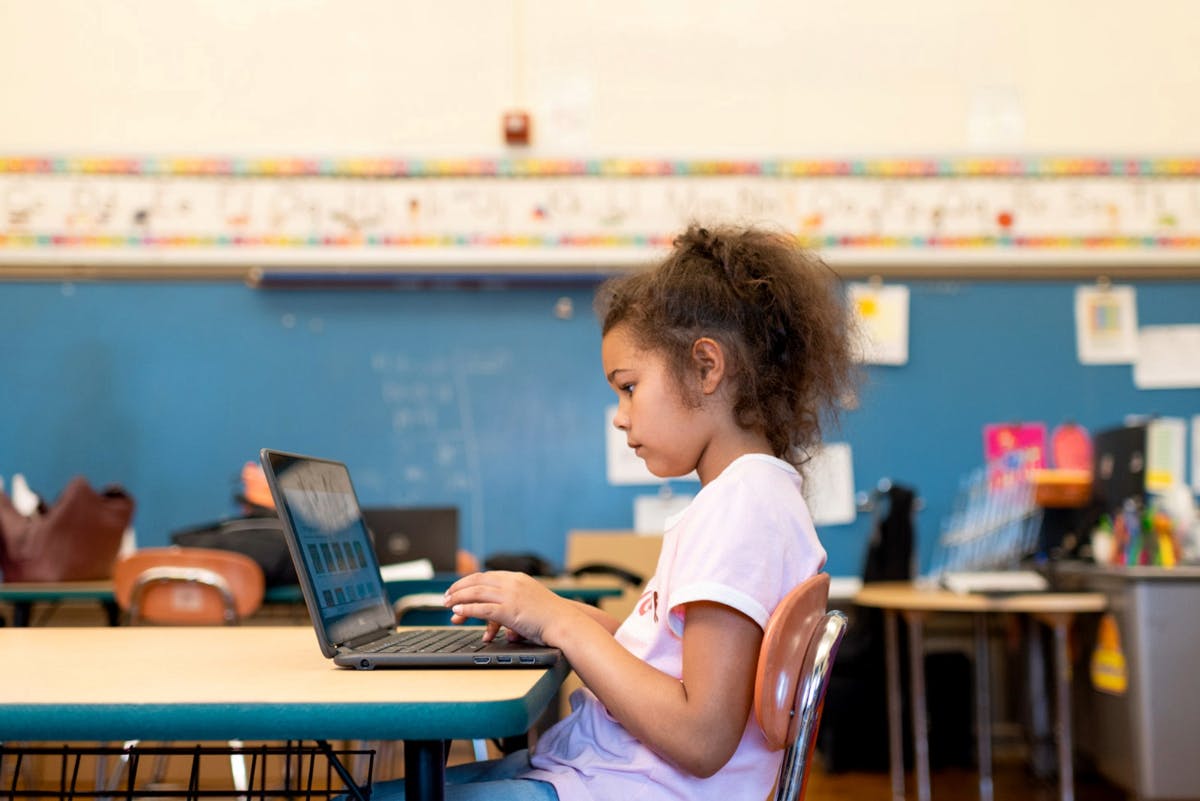
How Text-to-speech is commonly used in practice
Across education settings, several patterns appear in how TTS is introduced and used in practice.
Practical takeaway | What to do and how |
|---|---|
Clarifying its role | Text-to-speech is most often used to support access to meaning when processing written text is the main barrier to student learning |
Introducing it when print becomes a barrier | Educators introduce Text-to-speech when learners show stronger oral comprehension than print-based performance |
Supporting learner control | Studies do not identify a single optimal model of use. Allowing learners to pause, replay, and adjust playback is commonly associated with flexible use |
Separating instruction and assessment | Audio use during instruction differs from accommodation in testing contexts and should be interpreted accordingly |
Reviewing use over time | Variation in student usage across studies suggests that periodic review helps align support with instructional goals |
Interpreting the research
Research studies often report results using statistical measures such as “effect sizes.” These figures describe the average difference observed across groups in a study.
In education research, the ranges reported for TTS are generally considered modest. This is typical for supports designed to improve access to learning rather than replace instruction.
Outcomes vary depending on learner characteristics, study design, and how TTS is used. The findings should be understood as evidence of potential benefit under specific conditions, not guaranteed results in every classroom.
- Wood, S. G., Moxley, J. H., Tighe, E. L., & Wagner, R. K. (2018). Does use of text-to-speech and related read-aloud tools improve reading comprehension for students with reading disabilities? A meta-analysis. Journal of Learning Disabilities, 51(1), 73–84. https://doi.org/10.1177/0022219416688170
- Park, H. J., Takahashi, K., Roberts, K. D., & Delise, D. (2017). Effects of text-to-speech software use on the reading proficiency of high school struggling readers. Assistive Technology, 29(3), 146–152. https://doi.org/10.1080/10400435.2016.1171808
- Laitusis, C. C. (2010). Examining the impact of audio presentation on tests of reading comprehension. Applied Measurement in Education, 23(2), 153–167. https://doi.org/10.1080/08957341003673815
- Keelor, J. L., Creaghead, N., Silbert, N., & Horowitz-Kraus, T. (2020). Text-to-speech technology: Enhancing reading comprehension for students with reading difficulty. Assistive Technology Outcomes and Benefits, 14(1), 19–35.
- Keelor, J. L., Creaghead, N. A., Silbert, N. H., Breit, A. D., & Horowitz-Kraus, T. (2023). Impact of text-to-speech features on the reading comprehension of children with reading and language difficulties. Annals of Dyslexia, 73(3), 469–486. https://doi.org/10.1007/s11881-023-00281-9
- Hecker, L., Burns, L., Elkind, J., Elkind, K., & Katz, L. (2002). Benefits of Assistive Reading Software for Students with Attention Disorders. Annals of Dyslexia, 52(1), 243–272. https://doi.org/10.1007/s11881-002-0015-8
- Seok, S., Meyen, E. L., & DaCosta, B. (2010). Impact of Text-to-Speech Software on Access to Print: A Longitudinal Study. In E. L. Meyen, S. Seok, & B. DaCosta (Eds.), Handbook of Research on Human Cognition and Assistive Technology (pp. 199–219). IGI Global. https://doi.org/10.4018/978-1-61520-817-3.ch014