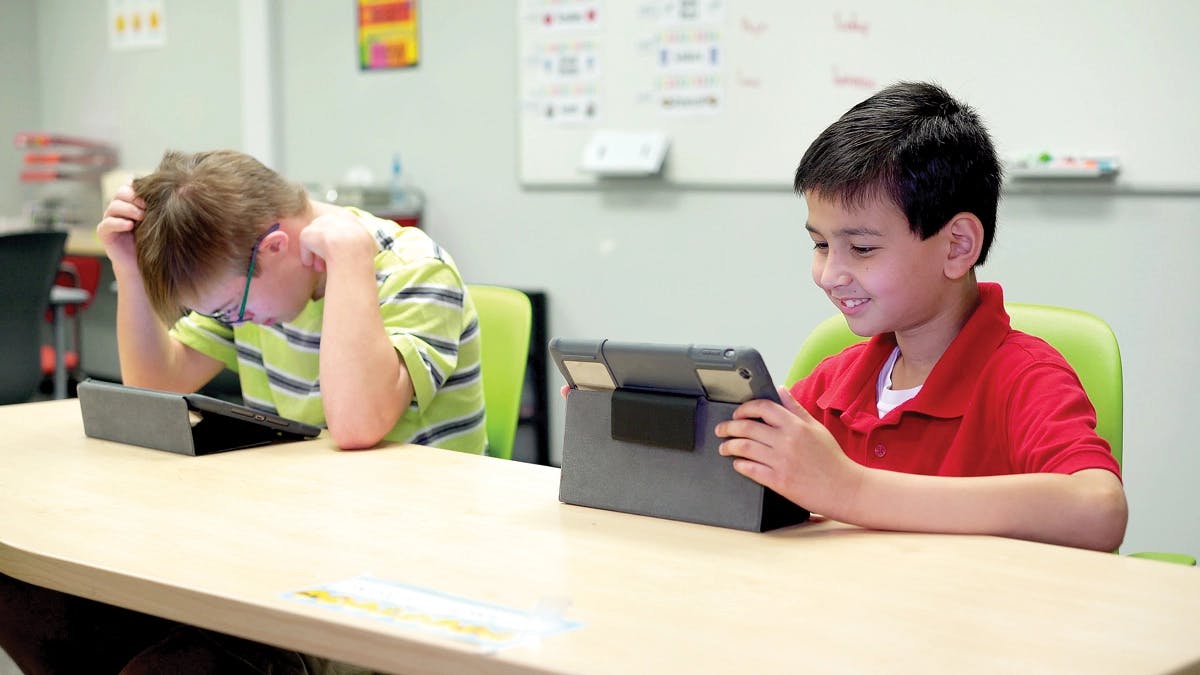
Starting kindergarten is a big change for any child. For a child who receives special education services, there can be more to plan.
A successful kindergarten transition in special education brings families, preschool teams and kindergarten staff together. The aim is to understand the child's strengths and needs, share useful information and make sure the right support is ready.
Good planning can help children become familiar with new people, routines and spaces before their first day.
Why kindergarten transition needs careful planning
PreK and kindergarten can look and feel very different.
A child may move from a smaller, play-based setting into a larger classroom with longer group activities and more structured learning. There may be new sounds, routines, people and expectations.
Social demands can change too. Children may need to move between activities, work in groups, follow instructions and communicate with new adults and peers.
For children with disabilities, these changes may affect learning, communication, sensory needs or independence. That's why transition planning should start before the first day.
Common challenges include information getting lost between teams, families being unsure what support will continue and kindergarten staff having too little time to get to know the child.
A planned handover gives everyone more time to prepare.
Understanding IDEA and the transition to kindergarten
The Individuals with Disabilities Education Act (IDEA) is the US federal law that gives eligible children with disabilities the right to special education and related services.
Two parts of IDEA are important in early childhood. Part C covers early intervention for infants and toddlers. Part B covers special education and related services for eligible children and young people aged three to 21.
There is an important distinction here.
IDEA sets specific federal transition requirements when children leave Part C and move into Part B preschool services or other appropriate services. For a child who may be eligible for Part B preschool services, transition planning begins before their third birthday. An IEP must be developed and in place by age three for eligible children moving into Part B preschool services.
Most children moving from special education preschool into kindergarten are already receiving services under Part B. IDEA doesn't set the same federal transition timetable for this move. State and local rules and practices may add requirements.
For educators and families, the practical message is simple: start planning early and check the rules that apply in your state and school district.
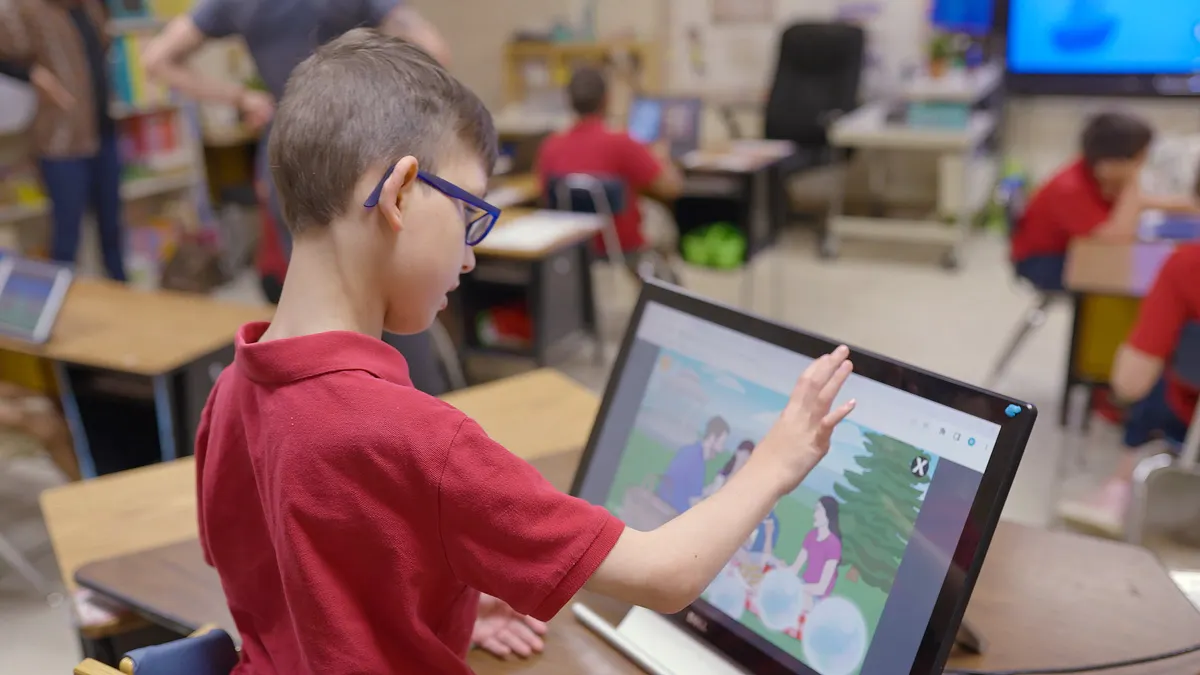
Building a collaborative transition team
A strong preK to kindergarten transition depends on people sharing what they know.
Preschool teachers and support staff can explain the child's current routines, communication methods and successful support. This helps the kindergarten team understand what already works.
Kindergarten staff can prepare the new learning environment. They might plan visual supports, check that assistive technology is ready or think about how classroom routines can be made more accessible.
Families are central to the process. Parents and caregivers know what their child enjoys, what they may find difficult and what helps them feel safe and ready to learn.
Speech-language pathologists, occupational therapists, physical therapists and other professionals may also need to share information when they support the child.
Strong collaboration doesn't need to be complicated. One shared planning meeting, clear written information and open communication can give the receiving team a much better picture of the child.
Review preschool IEP goals before kindergarten
A child's IEP is an important part of transition planning.
Reviewing preschool IEP goals can help the team understand where the child is making progress and where they still need support. It also gives the kindergarten team useful information about accommodations, services, communication and learning.
The focus shouldn't only be on what a child finds difficult. Share their strengths, interests and successful strategies too.
For example, perhaps a child follows routines well with a visual schedule. They may communicate more easily when they have extra processing time. They might engage strongly with hands-on activities.
Information like this helps the new team start from what already works.
Using Universal Design for Learning in kindergarten
Universal Design for Learning, or UDL, is an approach that gives learners different ways to take part, access information and show what they know.
This can be especially helpful at the start of kindergarten. Children arrive with different experiences, skills and ways of learning.
Offer different ways to take part
Children don't all engage with learning in the same way.
Giving them some choice can help. During a story activity, for example, children might draw a picture, build something linked to the story or act out part of it.
Visual schedules can also make the day more predictable. A simple set of pictures can show when it's time for a story, lunch, outdoor play or home.
Present information in different ways
Spoken instructions aren't accessible to every learner on their own.
Pairing speech with pictures, gestures, objects or demonstrations gives children more ways to understand what they need to do.
A teacher might say “time to tidy up” while showing a tidy-up picture and modelling where toys belong.
Give children different ways to respond
Children also need different ways to communicate what they know.
One child may answer a question aloud. Another may point to a picture, draw an answer or use an augmentative and alternative communication (AAC) device.
Giving children appropriate ways to respond helps more of them take an active part in learning.
Tracking progress during the first eight weeks
Transition doesn't finish when the child walks through the classroom door.
The first few weeks give educators time to learn how the child responds to their new environment. Rather than relying on assumptions, teams can observe what happens and adjust support.
Start by recording a simple baseline. Can the child move between activities with a visual cue? How do they ask for help? What happens during group activities? Which routines can they complete independently?
Compare these observations with information from preschool. Differences don't always mean something is wrong. The new environment itself may affect how a child responds.
Brief weekly check-ins can help the team spot patterns. You might record how much support a child needs during the morning routine or which activities lead to frustration.
If a pattern appears, make practical changes.
A child who finds snack time difficult might benefit from a picture sequence showing how to open their lunch and clear away. A child who finds noisy group activities overwhelming may need access to a quieter space or other agreed sensory support.
The aim is to respond to the individual child rather than waiting for difficulties to grow.
Helping children prepare before their first day
Preparation can make the new setting feel more familiar.
When possible, arrange a visit before school begins. Let the child see their classroom, playground and other important spaces. Meeting their teacher or other key adults can help too.
Photos can turn these visits into something families can use at home. A simple visual story could show the school entrance, classroom, bathroom and where the child will keep their belongings.
Families can also practise parts of the kindergarten routine at home. This might include putting on a backpack, opening lunch containers or following a simple morning schedule.
Keep preparation positive and suited to the individual child. The goal isn't to make every child “kindergarten ready”. Schools also need to be ready to welcome and support each child.
Moving forward together with inclusive technology
A successful kindergarten transition in special education comes from early planning, shared information and support that fits the child.
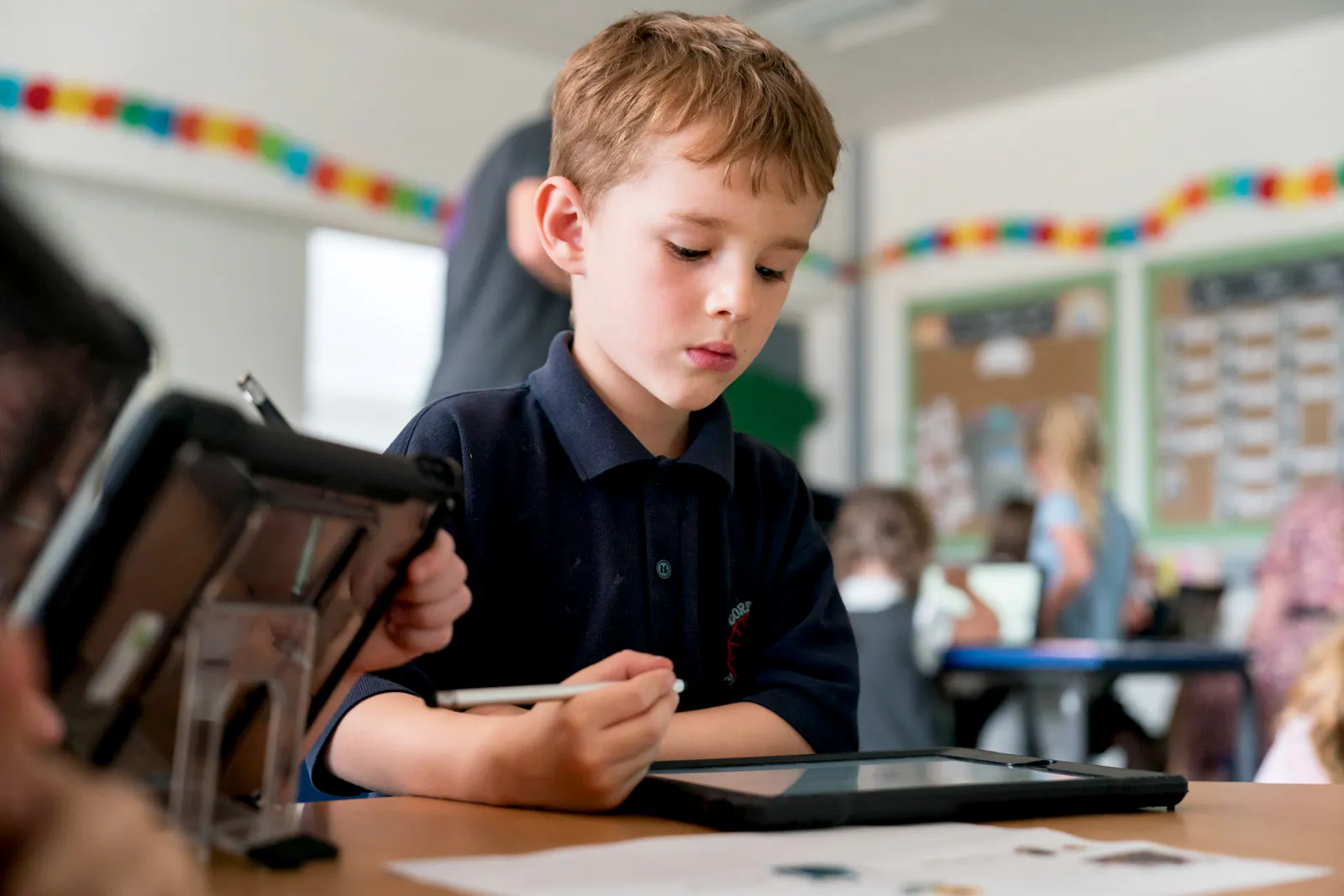
Technology can help with this work. Digital tools can make it easier for education teams to record progress, share plans and provide accessible learning materials.
Assistive technology can also move with the learner. AAC, text-to-speech and other assistive technology should be considered as part of everyday access where they are appropriate for the child.
Everway's Unique Learning System supports differentiated, standards-aligned instruction for students with disabilities. Polaris helps education teams work together on IEP development, progress monitoring and data.
Used well, technology can help educators build on what a child can already do and respond as their needs change.
Explore Everway's education solutions and discover more ways to support accessible learning.
FAQs about the preK to kindergarten transition
What is a kindergarten transition plan for a child with an IEP?
It's a plan for helping the child move successfully from preschool into kindergarten. It might cover their strengths, current IEP goals, services, accommodations, communication, assistive technology and strategies that work well.
The exact process will depend on state and local requirements.
When should kindergarten transition planning start?
Start early enough for the preschool team, family and receiving school to share information and prepare. There isn't one federal IDEA deadline that applies to every preschool-to-kindergarten transition, so check your state and local requirements.
Don't confuse this with the IDEA Part C transition rules around a child's third birthday, which do include specific federal timelines.
How can families prepare their child at home?
Talk about what kindergarten will be like using simple language. Look at photos of the school, practise useful routines and visit the new setting if possible.
Families can also tell the school what helps their child communicate, learn and feel comfortable.
What if a child struggles during their first few weeks?
Share observations with the child's family and education team. Look for patterns and consider whether routines, communication, sensory support or other parts of the environment could be changed.
If the child's needs or required supports have changed, the IEP team can consider whether the IEP needs to be reviewed.